the emergence of ‘boycott’ in The Freeman’s Journal, Dublin, in 1880
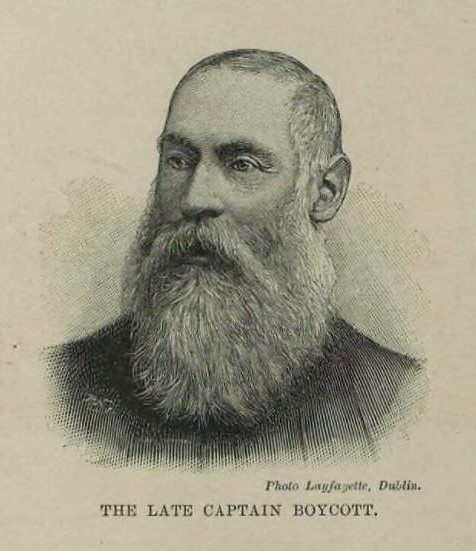
from the name of Captain Charles C. Boycott, land agent in Ireland, who was ostracised for refusing to reduce rents during the Land League agitation in 1880
Read More
“ad fontes!”
from the name of Captain Charles C. Boycott, land agent in Ireland, who was ostracised for refusing to reduce rents during the Land League agitation in 1880
Read More
from the image of breaking the frozen surface of a river in order to make a passage for boats – probably from Latin ‘scindere glaciem’, in Erasmus’s Adages
Read More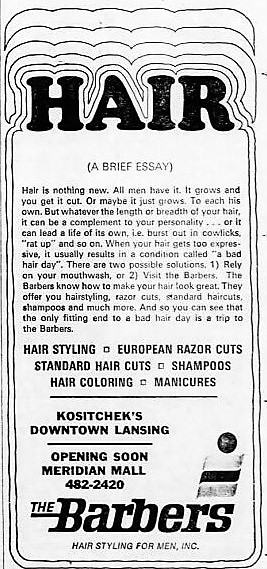
US, 1990s—a day on which one’s hair is unmanageable, hence a day on which everything seems to go wrong, a period of unusual agitation, frustration or uneasiness
Read More
a threat within a community, nation, etc., as distinct from an external enemy—infamously used of British miners’ leaders by Prime Minister Margaret Thatcher in 1984
Read Moreone who changes their principles to suit the circumstances—from a vicar who was twice a Catholic and twice a Protestant from Henry VIII to Elizabeth I’s reigns
Read More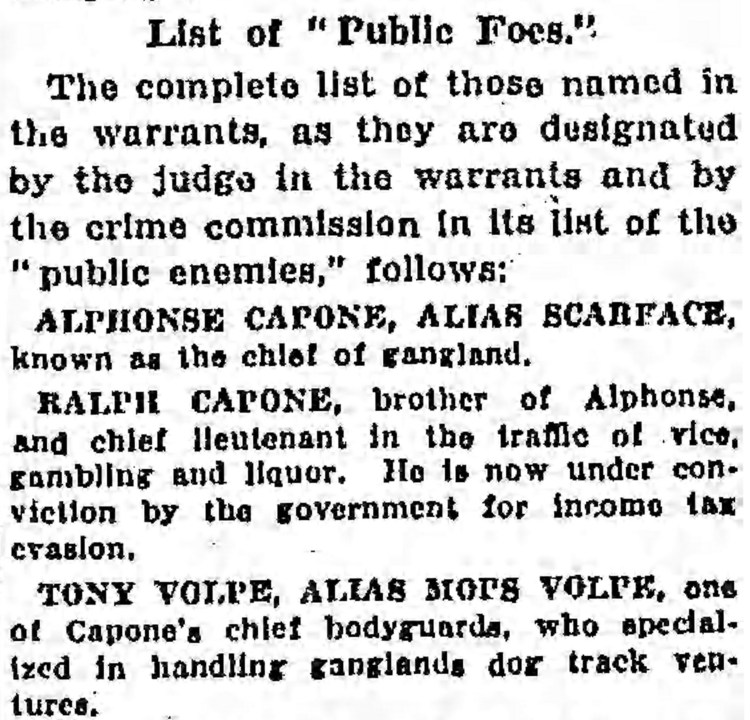
origin: the American gangster Al Capone was number one on the list of 26 ‘public enemies’ drawn up in 1930 by the Chicago crime commission.
Read More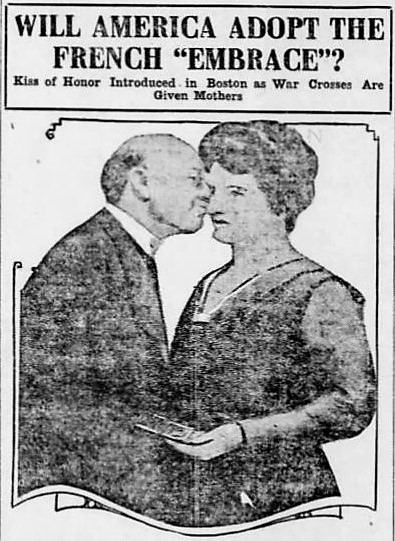
‘French kiss’—19th century: a kiss on both cheeks—early 20th century (USA): a kiss with contact between tongues
Read More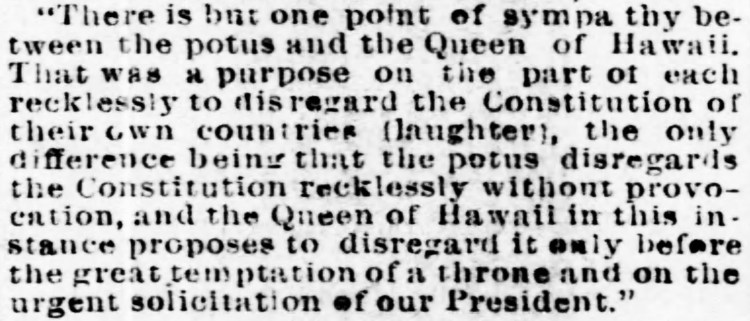
late 19th century—‘POTUS’ was originally an abbreviation used in the Phillips code, a telegraphic code created in 1879 by Walter P. Phillips (1846-1920).
Read More
USA, early 19th century—‘small potatoes’: person or thing considered petty, unimportant, insignificant or worthless
Read More
US, 1830s—a friction match; a radical faction of the Democratic Party—during a meeting, they lit candles with loco-foco matches when the lights were turned off
Read More word histories