origin of ‘a millstone round someone’s neck’
from the gospel of Matthew, 18:6: If someone causes a child to sin, it would be better for them to have a millstone hung around their neck and be drowned in the sea.
Read More
“ad fontes!”
from the gospel of Matthew, 18:6: If someone causes a child to sin, it would be better for them to have a millstone hung around their neck and be drowned in the sea.
Read More
obsession—from Dickens’s ‘David Copperfield’, in which Mr. Dick is unable to write his memoirs because of the intrusive image of King Charles the First’s head
Read More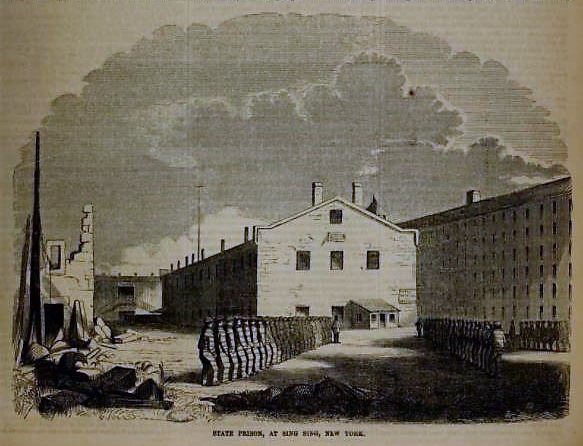
US, 19th cent.—‘to send up the river’ (to send to prison)—originally referred to Sing Sing prison, situated up the Hudson River from the city of New York
Read More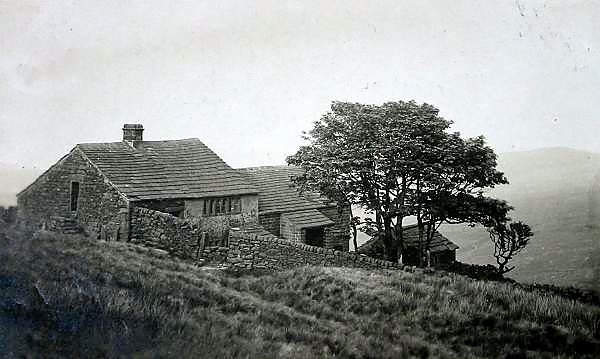
In the name of the farmhouse, ‘wuthering’ is a “provincial adjective, descriptive of the atmospheric tumult to which its station is exposed in stormy weather.”
Read More
This phrase originated in the history of American slavery: the river was the Mississippi and down implied the transfer of slaves from north to south.
Read MoreBritish, 18th century—a mock oath attributed to sailors, meaning ‘may my ship’s beams be broken into pieces’—early variants used by Tobias Smollett
Read Morefrom the bakers’ former practice of adding a loaf to a dozen, either as a safeguard against accusations of giving light weight or as the retailer’s profit
Read More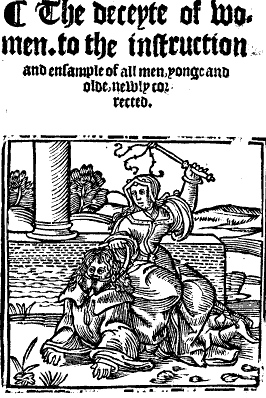
history (and Latin and French equivalents) of ‘to cut off one’s nose to spite one’s face’ (to carry out a vengeful action that hurts oneself more than another)
Read Morerefers to the possibility of finding a pearl in an oyster—coined by Shakespeare in The Merry Wives of Windsor, perhaps in allusion to a proverb
Read More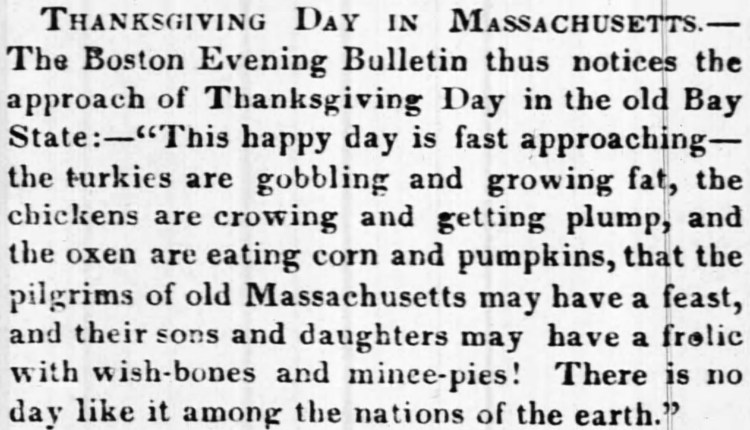
‘merrythought’, late 16th century— the forked bone between the neck and breast of a bird—so called from its resemblance to a woman’s external genitals
Read More word histories