meaning and origin of the phrase ‘to a T’
‘with minute exactness’—UK, 1693—probably a shortening of synonymous ‘to a tittle’ (1607), ‘tittle’ meaning ‘a small mark used in writing or printing’
Read More
“ad fontes!”
‘with minute exactness’—UK, 1693—probably a shortening of synonymous ‘to a tittle’ (1607), ‘tittle’ meaning ‘a small mark used in writing or printing’
Read More‘every tiny detail’—from Matthew, 5:18—‘jot’, from ‘iōta’, the smallest letter of the Greek alphabet—‘tittle’, a small mark used in writing or printing
Read More
noun (late 17th cent.), perhaps from ‘bull’ (= bovine)—possibly distinct from ‘bully’ (mid-16th cent.), ‘darling’, probably from Middle Dutch ‘boele’, ‘lover’
Read More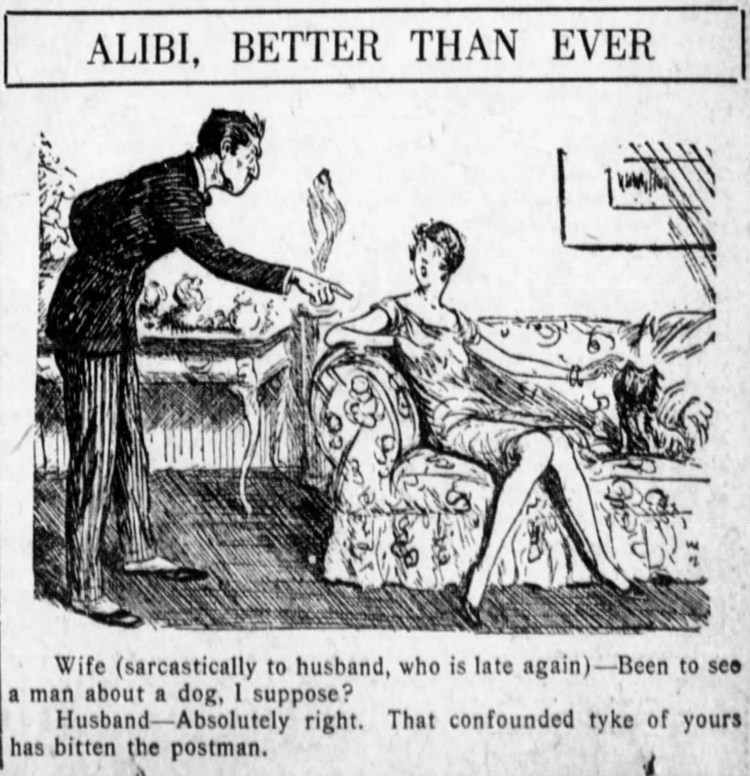
UK, 1865—vague excuse for leaving to keep an undisclosed appointment, or, now frequently, to go to the toilet—perhaps originally with allusion to dogfighting
Read More
coalesced forms of the obsolete phrasal verbs ‘to do on’ and ‘to do off’, meaning respectively ‘to put on’ and ‘to take off’ (an item of clothing)
Read More
from ‘at do’ (meaning ‘to do’)—construction ‘to have’ + pronominal object (e.g. ‘much’) + ‘at do’ led to ‘ado’ reinterpreted as a noun qualified by an adjective
Read More
meaning: ‘tit for tat’—Oliver was a full match for his comrade Roland, the legendary nephew of Charlemagne in ‘La Chanson de Roland’ and other romances
Read More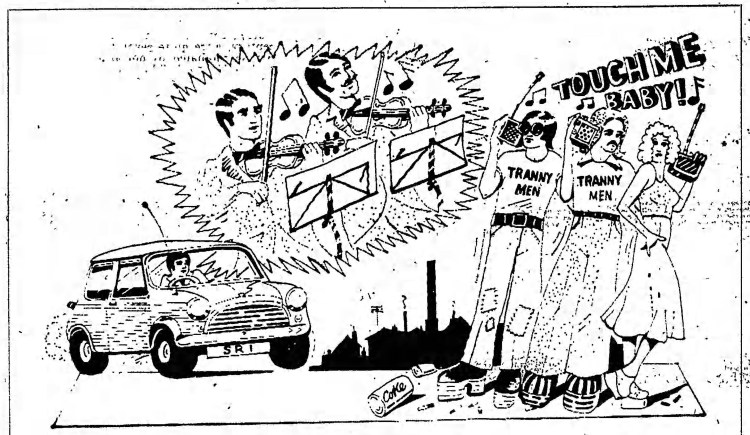
UK, 1971, in graffiti—preceded by a proper or common noun in the singular or plural; used to assert the pre-eminence of a specified person or thing
Read More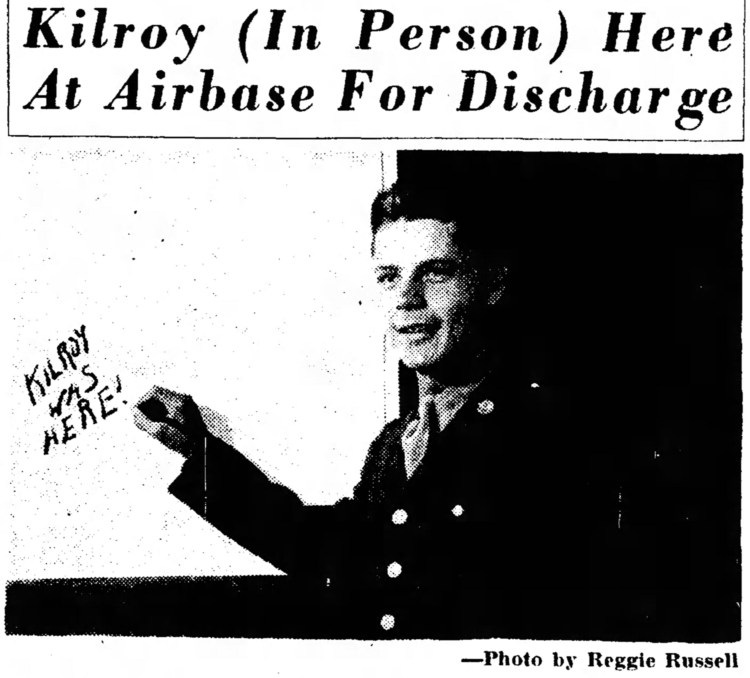
Sgt Francis J. Kilroy’s surname, first written in 1943 by his friend Sgt James Maloney (source: Army Public Relations, in the Tucson Daily Citizen, 8 Nov. 1945)
Read More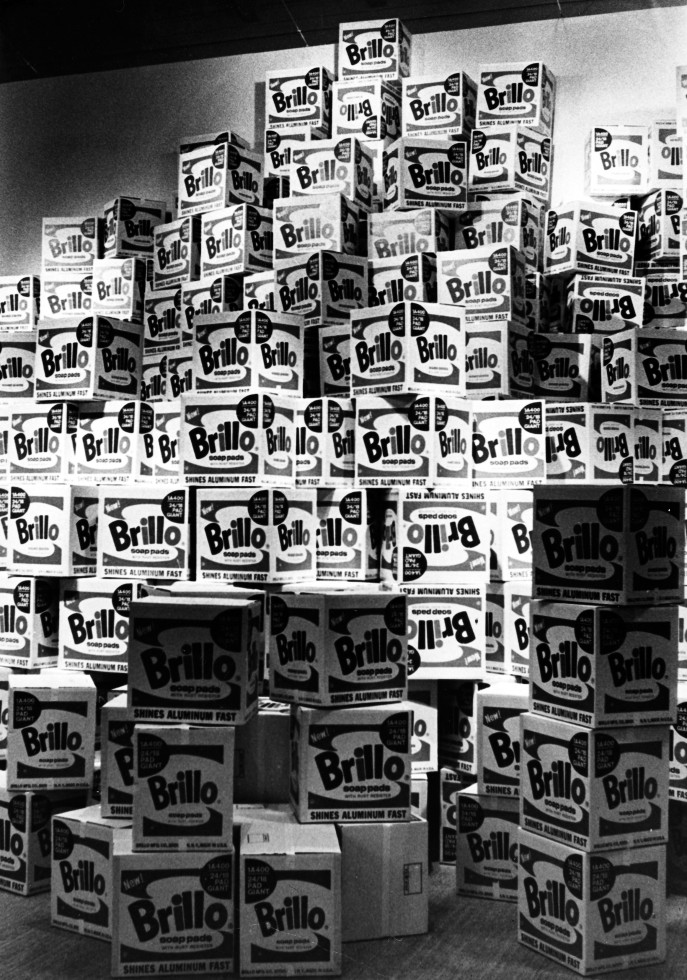
apparently misattributed to Andy Warhol in the book published for the first European retrospective of his work at the Moderna Museet, Stockholm, Sweden, in 1968
Read More
