meaning and origin of ‘everything but the kitchen sink’

The phrase ‘everything but the kitchen sink’, or ‘the kitchen stove’, and variants mean ‘practically everything imaginable’—origin: USA, early 20th century
Read More
“ad fontes!”
The phrase ‘everything but the kitchen sink’, or ‘the kitchen stove’, and variants mean ‘practically everything imaginable’—origin: USA, early 20th century
Read More
‘Wash the milk off your liver’: refers to the digestibility of milk, but misunderstood by the Oxford English Dictionary as referring to cowardice
Read More
original meaning of ‘kidnap’, late 17th century—to steal or carry off children or others in order to provide servants or labourers for the American plantations
Read More
US, 1883—from the craze generated by ‘Fédora’, an 1882 drama by Victorien Sardou and the name of its heroine, played in early productions by Sarah Bernhardt
Read Moreto get credit or money by using a fraudulent financial instrument; to send an illicit or secret note; to find out in what direction affairs are tending
Read More
19th century, northern England—apparently a variant of ‘geck’, of Germanic origin, meaning ‘a fool’, ‘a dupe’, ‘an oaf’
Read More
early 18th century—from the name of the Roman orator and author Marcus Tullius Cicero, apparently in allusion to the eloquence and learning of these guides
Read More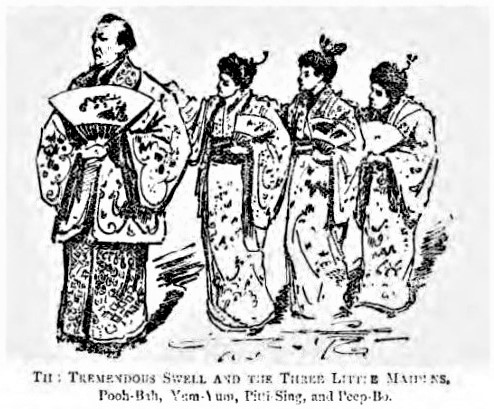
from the name of a character who holds many high offices in ‘The Mikado’ (1885), an operetta by Gilbert and Sullivan
Read More‘to season’, from Old French ‘saisonner’: ‘to do something during the proper season’, hence ‘to make appropriate to the circumstances’, ‘to flavour (a dish)’
Read Morethe troubles and activities of the world—literary or humorous, from Hamlet’s speech “to be or not be”—‘coil’: probably from Middle French ‘acueil’, encounter
Read More word histories