the authentic origin of ‘the devil to pay’
refers to a person making a pact with the Devil: the heavy price has to be paid in the end—unrelated to the nautical phrase ‘the devil to pay and no pitch hot’
Read More
“ad fontes!”
refers to a person making a pact with the Devil: the heavy price has to be paid in the end—unrelated to the nautical phrase ‘the devil to pay and no pitch hot’
Read More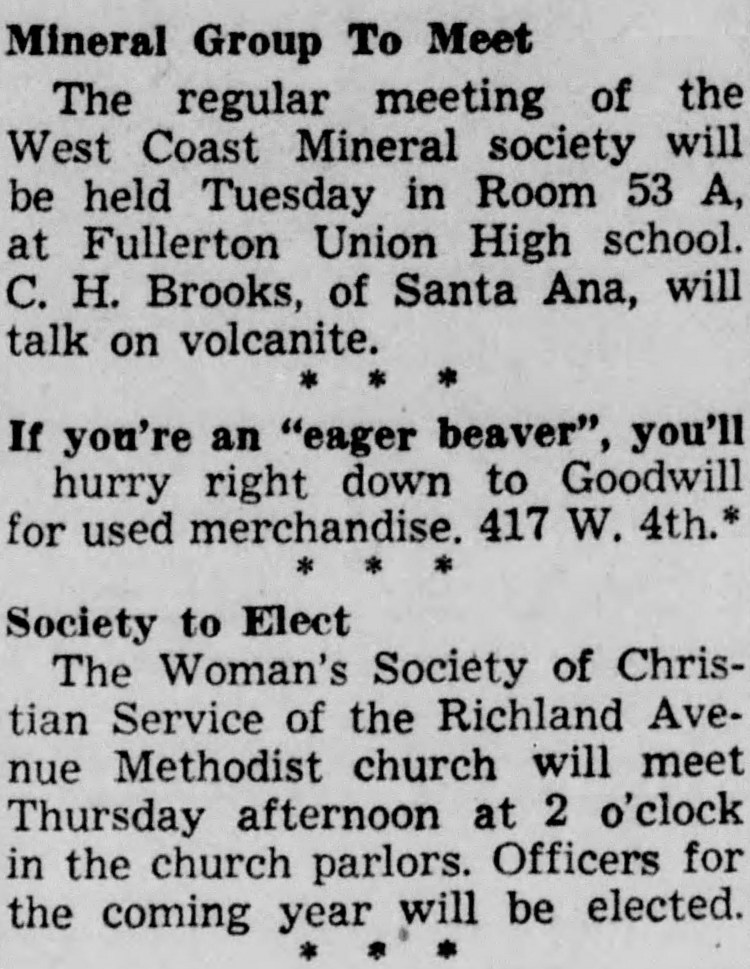
1942—In US Air Force’s slang, ‘eager beaver’ denoted an alert and efficient student cadet, with allusion to the animal’s industriousness.
Read Morelate 17th century—probably based on the resemblance between the shape of the heart and that of a cockleshell – or of the body the shell protects
Read More
UK, 1915—humorous blend of the common noun ‘mummer’ and of the name ‘Somerset’—denotes a pseudo-rustic dialect used by actors and an imaginary rustic county.
Read More
probably British English, 1880s—to make an effort to improve or reform, ‘to pull oneself together’—based on the image of sprucing oneself up
Read More
British, 1810—to use one’s greater age or experience to deceive someone or to shirk a duty—from ‘old soldier’ meaning ‘a person much experienced in something’
Read More1696—perhaps from ‘latet anguis in herba’ (a snake hides in the grass) in Virgil’s Eclogues—cf. ‘a pad [= toad] in the straw’ and French ‘il y a de l’oignon’
Read More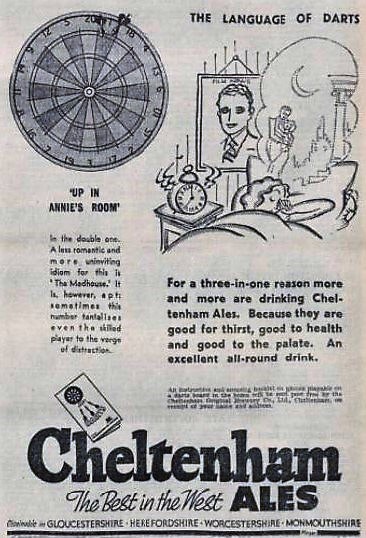
late 1910s: an answer to an enquiry as to the whereabouts of someone who cannot be found—1930s: the space at the top of the dartboard where scores are doubled
Read MoreIn allusion to The Tale of the Ancyent Marinere (1798), by Samuel Taylor Coleridge: the albatross killed by the mariner is hung around his neck as punishment.
Read More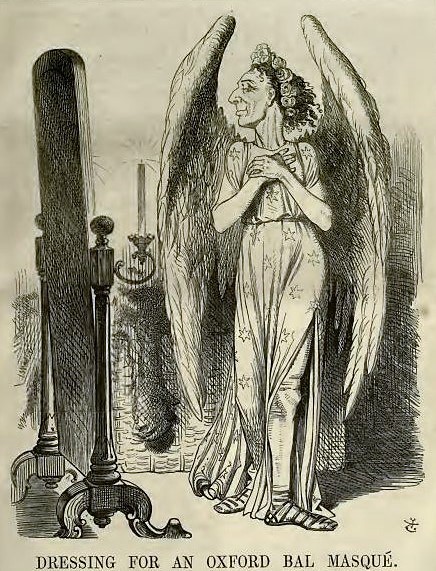
‘on the righteous side’—originally used in 1864 by Benjamin Disraeli to contrast the theory of evolution with the theory of the divine creation of humankind
Read More word histories