‘Mr’-‘Mrs’ – ‘mister’-‘missus’: origin
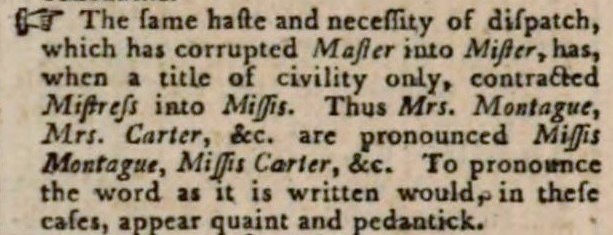
‘Mr’-‘Mrs’: originally abbreviations of ‘master’-‘mistress’—‘mister’-‘missus’: renderings of the altered pronunciations of ‘master’-‘mistress’ in ‘Mr’-‘Mrs’
Read More
“ad fontes!”
‘Mr’-‘Mrs’: originally abbreviations of ‘master’-‘mistress’—‘mister’-‘missus’: renderings of the altered pronunciations of ‘master’-‘mistress’ in ‘Mr’-‘Mrs’
Read More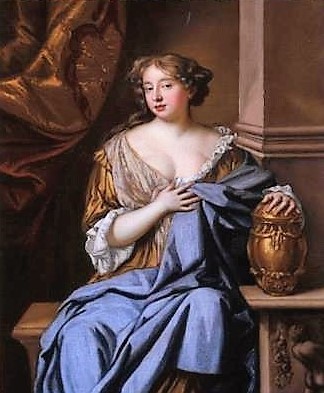
‘miss’: unmarried woman or girl; 17th cent., short for ‘mistress’—‘Ms’: title free of reference to marital status; 20th cent., blend of ‘Mrs’ and ‘Miss’
Read More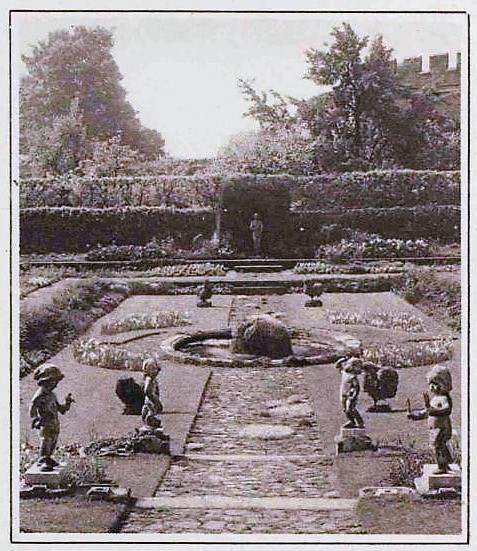
from Speed the Plough (1798), by Thomas Morton; Dame Ashfield is constantly fearing to give occasion for the sneers of Mrs Grundy, her unseen neighbour
Read More
‘something new can only be judged to be good or bad after it has been tried or used’ (‘proof’ = ‘test’)—1623, in Remaines, concerning Britaine, by W. Camden
Read More‘with minute exactness’—UK, 1693—probably a shortening of synonymous ‘to a tittle’ (1607), ‘tittle’ meaning ‘a small mark used in writing or printing’
Read More‘every tiny detail’—from Matthew, 5:18—‘jot’, from ‘iōta’, the smallest letter of the Greek alphabet—‘tittle’, a small mark used in writing or printing
Read More
noun (late 17th cent.), perhaps from ‘bull’ (= bovine)—possibly distinct from ‘bully’ (mid-16th cent.), ‘darling’, probably from Middle Dutch ‘boele’, ‘lover’
Read More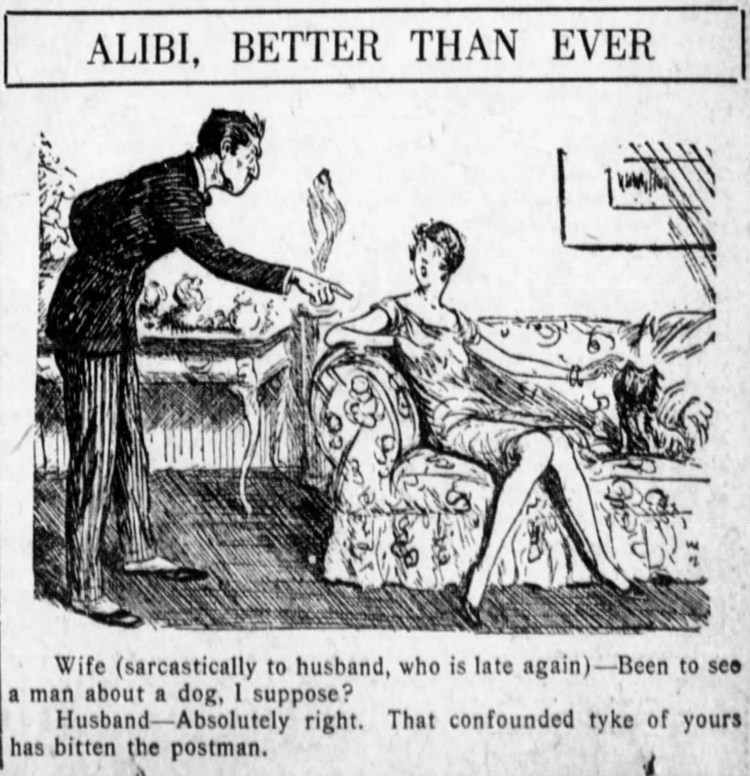
UK, 1865—vague excuse for leaving to keep an undisclosed appointment, or, now frequently, to go to the toilet—perhaps originally with allusion to dogfighting
Read More
coalesced forms of the obsolete phrasal verbs ‘to do on’ and ‘to do off’, meaning respectively ‘to put on’ and ‘to take off’ (an item of clothing)
Read More
from ‘at do’ (meaning ‘to do’)—construction ‘to have’ + pronominal object (e.g. ‘much’) + ‘at do’ led to ‘ado’ reinterpreted as a noun qualified by an adjective
Read More word histories