The phrase ‘all behind, like a cow’s tail’ and its variants mean ‘left behind’ and ‘late in accomplishing a task’. They appeared in print in the mid-19th century in the USA, Australia and Britain.
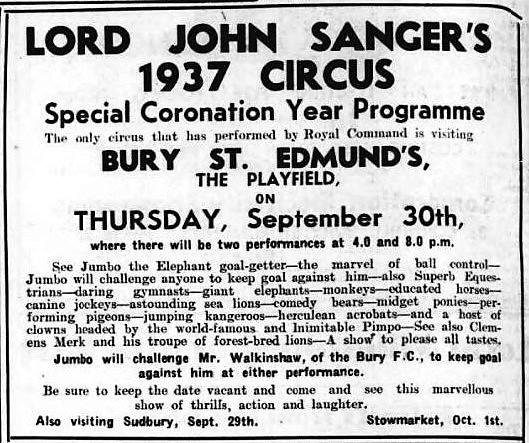
UK, 1937, colloquial—‘to have done something more than oneself (or someone else) has had hot dinners’: used jocularly to emphasise the subject’s wide experience of a particular activity or phenomenon
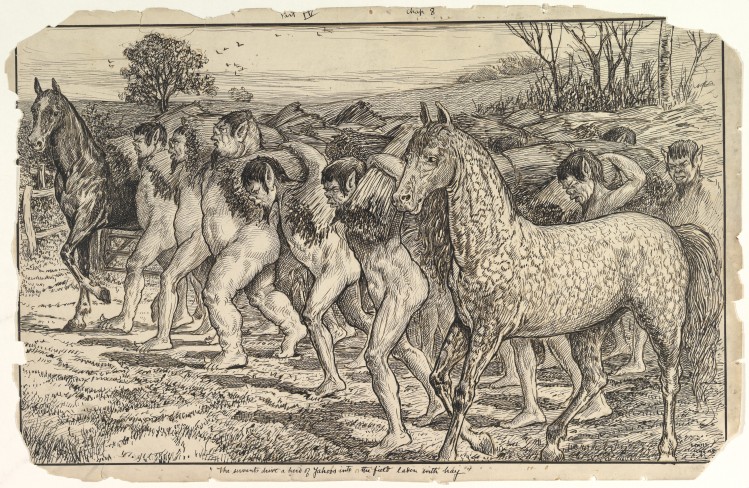
‘yahoo’: rude, noisy or violent person—word invented by Jonathan Swift (1667-1745) as the name of a race of brutish creatures resembling men in Gulliver’s Travels (1726)—came to be applied to the orang-utan
‘to take the Fifth’: to decline to reveal one’s own secrets—from ‘to take the Fifth Amendment’: to appeal to Article V of the original amendments to the U.S. Constitution, which states that “No person […] shall be compelled in any criminal case to be a witness against himself.”
‘Sydney or the bush’: all or nothing (1902)—based on the metaphorical opposition between an easy life in the city and a hard life working in the outback, this phrase was apparently originally used by people risking all on the toss of a coin.
British English: a drinking tour of a number of pubs or bars—but first appeared in 1909 with specific reference to an organised form of propaganda consisting in sending a person from pub to pub in order to promote the Conservative cause
denotes a situation in which the alternatives are considered equivalent—first recorded, as ‘six of the one and half a dozen of the other’, on 24th April 1790 in the journal of Ralph Clark, a British naval officer—synonym: ‘(as) broad as long’
‘to plough a lonely furrow’, or ‘one’s own furrow’ (UK, 1901): to carry on without help, support or companionship—French ‘creuser son sillon’ (‘to dig one’s own furrow’, first used by Voltaire): to carry out with courage and perseverance the task undertaken
‘dunce’: originally a follower of John Duns Scotus (circa 1265-1308), scholastic theologian; in the 16th century, Scotus’s system was attacked with ridicule by the humanists and the reformers as a farrago of needless entities and useless distinctions
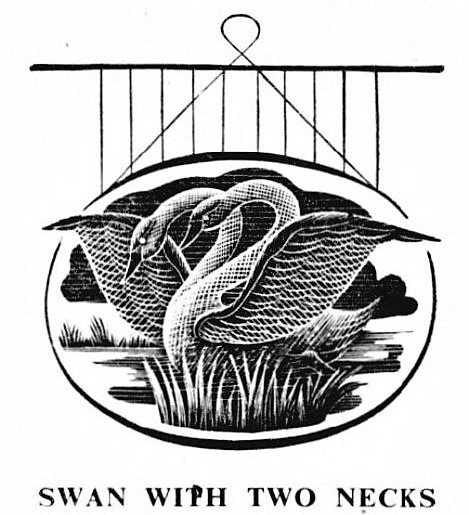
Alteration of ‘the Swan with Two Nicks’—All the Thames swans belong to the Crown, the Vintners’ Company or the Dyers’ Company. A swan with two nicks belongs to the Vintners’ Company, with one nick to the Dyers’ Company, with no nicks to the Crown.


 word histories