‘slipshod’: ‘characterised by a lack of care, thought or organisation’—formed after the obsolete noun ‘slip-shoe’ (= ‘a loosely fitting shoe or slipper’); ‘shod’ (meaning ‘wearing shoes’) is the past participle of the verb ‘shoe’
The name ‘Quorn’ was first registered as a trademark—for certain edible products other than meat substitutes—by the Quorn Specialities Company of Leicester, England, in 1914. The meat substitute was subsequently developed by the successors of this company.
From ‘rīvus’, ‘a stream’, the Latin adjective ‘rīvālis’ (of, or belonging to, a stream) was used as a plural noun, ‘rīvāles’, to denote persons who have to use the same stream, and persons who have the same mistress, competitors in love.
mi-17th century—probably from ‘hand in (the) cap’, used of a sort of game in which players put forfeit money in a cap and then drew from it—later applied to a race between two horses (the better of which carried extra weight), arranged by such rules
British English, first recorded, apparently as army slang, in 1945—probably from ‘bonk’ (= a blow on the head) and the suffix ‘-ers’ as in ‘ravers’ (from ‘raving mad’) and ‘starkers’ (from ‘stark mad’)
The literal meaning of ‘rocket science’ (USA, 1930) is the science of rockets and rocket propulsion—in the 1980s, in connexion with sports, it came to be used ironically as a generic term for anything requiring a high level of intelligence or expertise.
First recorded in 1694, ‘Peg Tantrum’ was chiefly used in the phrase ‘to go to Peg Trantum’s’, meaning ‘to go to one’s death’. This word is perhaps from ‘Peg’, rhyming form of ‘Meg’, pet form of the female forenames ‘Margery’ and ‘Margaret’, and from ‘tantrum’.
1794—from French ‘terroriste’ (1794): during the French Revolution, adherent or supporter of Robespierre’s faction, who advocated and practised the Terror (methods of partisan repression and bloodshed in the propagation of the principles of democracy and equality)
Old English ‘werewulf’ (first element identified with Old English ‘wer’, ‘man’) first used for ‘wolf’ to denote a person serving Satan (cf. Gospel of Matthew “Beware of false prophets, who come to you in sheep’s clothing, but inwardly they are ferocious wolves”)
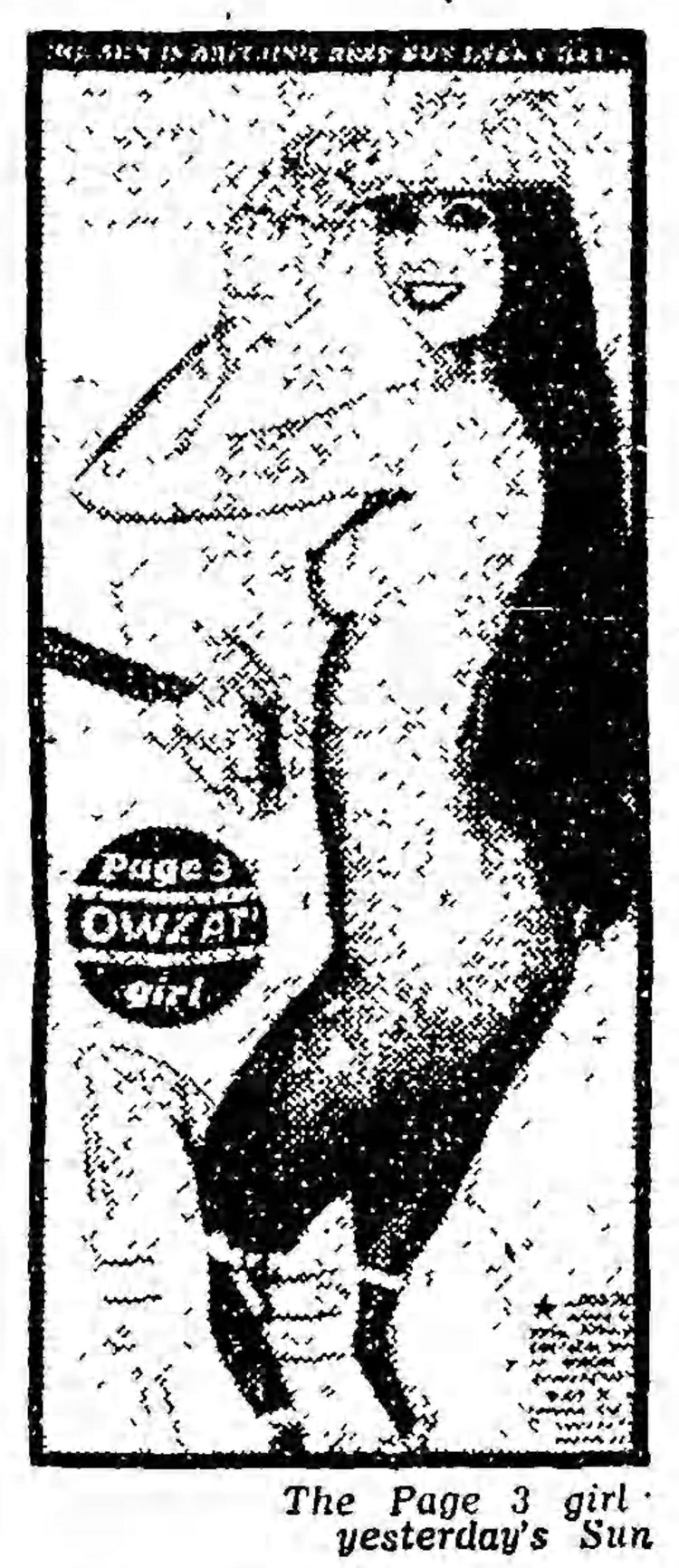
British English—‘Page Three’, or ‘Page 3’: a feature which appeared daily on page three of the British tabloid The Sun (London), and included a pin-up picture of a topless or nude young woman; this feature first appeared on 17 November 1970.

 word histories