USA, 1811—based on the three principal components that make up a flintlock gun: ‘lock’ denotes the firing mechanism, ‘stock’ the handle or wooden shoulder-piece to which it is attached, and ‘barrel’ the tube down which the bullet is fired
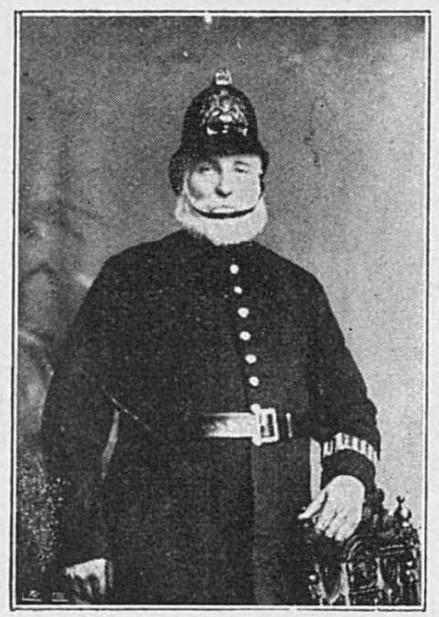
UK, 1844—‘bobby’: a policeman—from ‘Bobby’, pet form of ‘Robert’, in allusion to Robert Peel, who, as Home Secretary, established the Metropolitan Police in 1829—cf. ‘peeler’ (1816), originally a member of the Peace Preservation Force in Ireland established in 1814 by Robert Peel
‘handbag’: to bully or coerce by subjecting to a forthright verbal assault or criticism—originally used with reference to British Prime Minister Margaret Thatcher in The Economist (7 August 1982)—from literal meaning ‘to batter or assault with a handbag’
to create trouble or a commotion—USA, 1840—a euphemism for synonymous phrases such as ‘to raise the Devil’ and ‘to raise hell’—from the name of the eldest son of Adam and Eve and murderer of his brother Abel
first recorded in a speech by Rev. George W. Bethune, transcribed in ‘Brief abstract of the fourth annual report of board of Managers of the New-York city Colonization Society’, published in ‘The American Christian Instructor’ of April 1836
first recorded in 1480—from Portuguese ‘marmelada’ (quince marmalade), from ‘marmelo’ (quince), itself from Latin ‘malomellum’ (quince, sweet pome), a blend of Latin ‘mēlŏmĕli’ (syrup of preserved quinces) and ‘mĕlĭmēla’ (a variety of sweet pome)
Of American-English origin, the colloquial phrase ‘hot under (or ‘in’) the collar’ means ‘extremely exasperated or angry’. The earliest instance that I have found is from The Chicago Tribune (Chicago, Illinois) of 8th July 1869.
16th century—from the Latin adjective ‘praeposterus’, composed of the adverb ‘prae’ (‘in front’, ‘before’) and the adjective ‘posterus’ (‘coming after’, ‘following’, ‘next’), so that its literal sense is ‘next (placed) first’, ‘having first what should be coming after’.
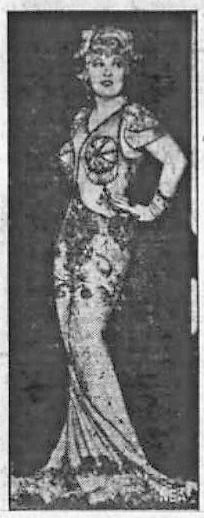
From the name of the American film actress Mae West, renowned for her generous bust, the informal noun ‘Mae West’, attested in 1940, denotes an inflatable life jacket, originally as issued to Royal Air Force aviators during World War II.
from the name of Mrs Malaprop, a character who confuses long words in The Rivals (1775), a comedy by the Irish playwright Richard Brinsley Sheridan—character named after ‘malapropos’, from the French locution ‘mal à propos’, literally ‘ill to purpose’


 word histories