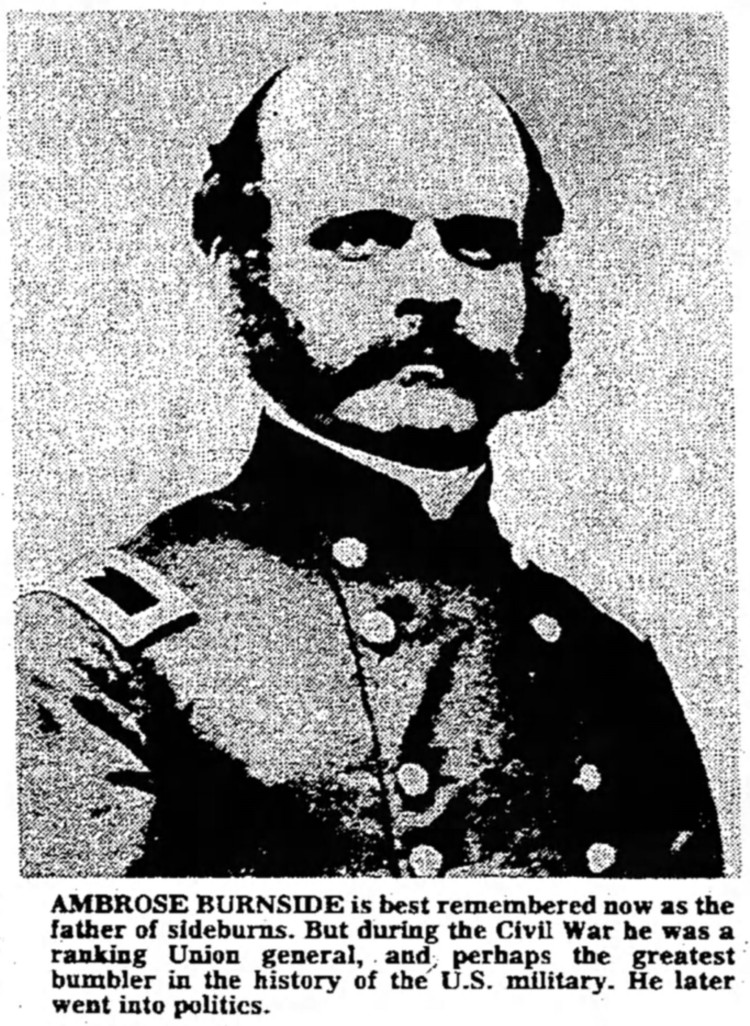
After Ambrose Burnside, Union general in the U.S. Civil War, ‘burnsides’ (1866) denotes thick side whiskers worn with a moustache and clean-shaven chin; on the pattern of ‘side whiskers’, it was altered to ‘sideburns’ (1875), itself altered to ‘sideboards’ (1882).
The phrase ‘a far cry’ means ‘something very different’. Its literal signification (first recorded in A Legend of Montrose (1819), by Walter Scott) is ‘a long way’, ‘a great distance’. Here, the noun ‘cry’ denotes ‘a calling distance’, as in ‘within cry of’, meaning ‘within calling distance of’.
‘coward’—from Old-French ‘cuard’, probably referring to a frightened animal with its tail between its legs—from ‘cüe’ (Modern French ‘queue’), ‘tail’, and pejorative suffix ‘-ard’ (cf. ‘bastard’)—‘cowardy, cowardy custard’, alliterative nonsensical children’s phrase (19th century)
coined by Thomas Jefferson in Notes on the State of Virginia, first published in Paris in 1785—literal meaning: ‘to make little’ (composed of the prefix ‘be-’ and the adjective ‘little’)—criticised in The European Magazine, and London Review of August 1787 when the book was published in London
The noun ‘wolf whistle’ appeared in the USA in 1943—Wolf-whistling was popularised by the wolf, a cartoon character created by Tex Avery in Little Red Walking Hood (1937), which reappeared in Red Hot Riding Hood (1943).
USA, 1795—Probably a blend of ‘irrespective’ and ‘regardless’, ‘irregardless’ means the same as ‘regardless’. It is regarded as incorrect in standard English, because the negative prefix ‘ir-’ merely duplicates the suffix ‘-less’, and is therefore unnecessary.
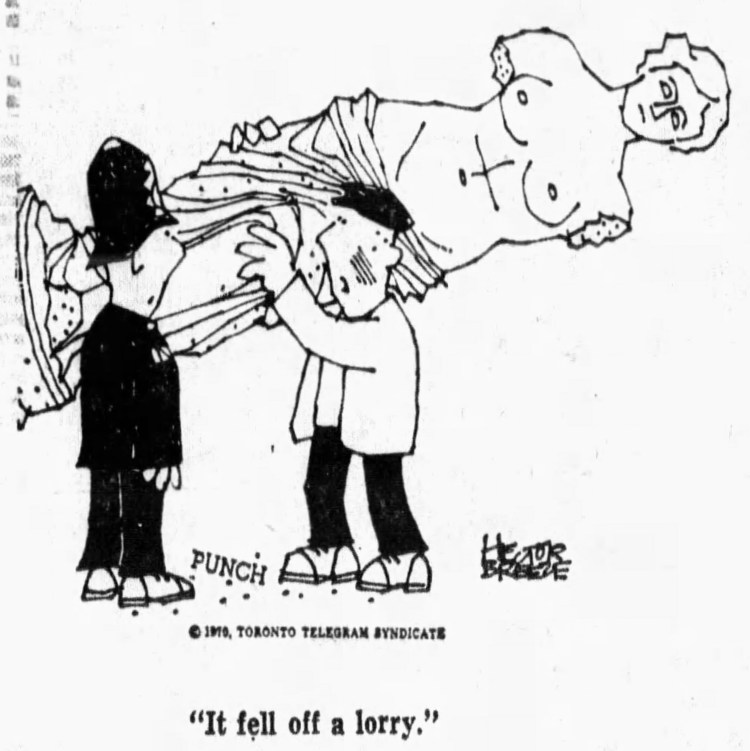
UK, 1953, humorous and euphemistic—‘to fall off (the back of) a lorry’: of goods, ‘to be acquired in dubious or unspecified circumstances’, especially ‘to be stolen’—variant with ‘truck’ came into use later in Australian and North American English
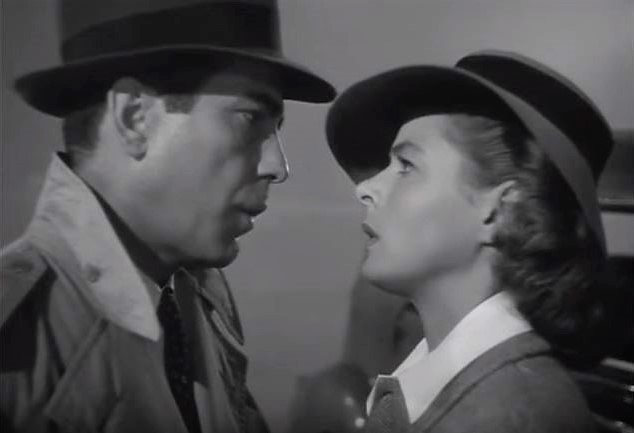
USA, 1871—The phrase ‘here’s looking at you’ is used as a toast in drinking. It is now widely associated with the American film Casablanca (1942), in which Humphrey Bogart addresses Ingrid Bergman with the words “Here’s looking at you, kid.”
Classical Latin ‘muscŭlus’, literally ‘a little mouse’, also denoted ‘a muscle of the body’, especially of the upper arm, from the resemblance of a flexing muscle to the movements made by a mouse; ‘muscŭlus’ was also used in the sense of ‘mussel’.
First recorded in The Leeds Mercury (Leeds, Yorkshire) of Friday 26 August 1938, the phrase ‘to use one’s loaf’ means ‘to use one’s common sense’. Here, ‘loaf’, a shortening of ‘loaf of bread’, is rhyming slang for ‘head’.


 word histories