UK, 1831—to startle or upset a sedate or conventionally-minded community—most probably from the following lines in The Tragedy of Coriolanus (circa 1607), by William Shakespeare: “like an eagle in a dove-cote, I | Flutter’d your Volscians in Corioli”
USA, Boston Morning Post, 26 May 1834—‘Dutch uncle’: a person giving firm but benevolent advice—unknown origin—perhaps an allusion to Calvinistic sternness
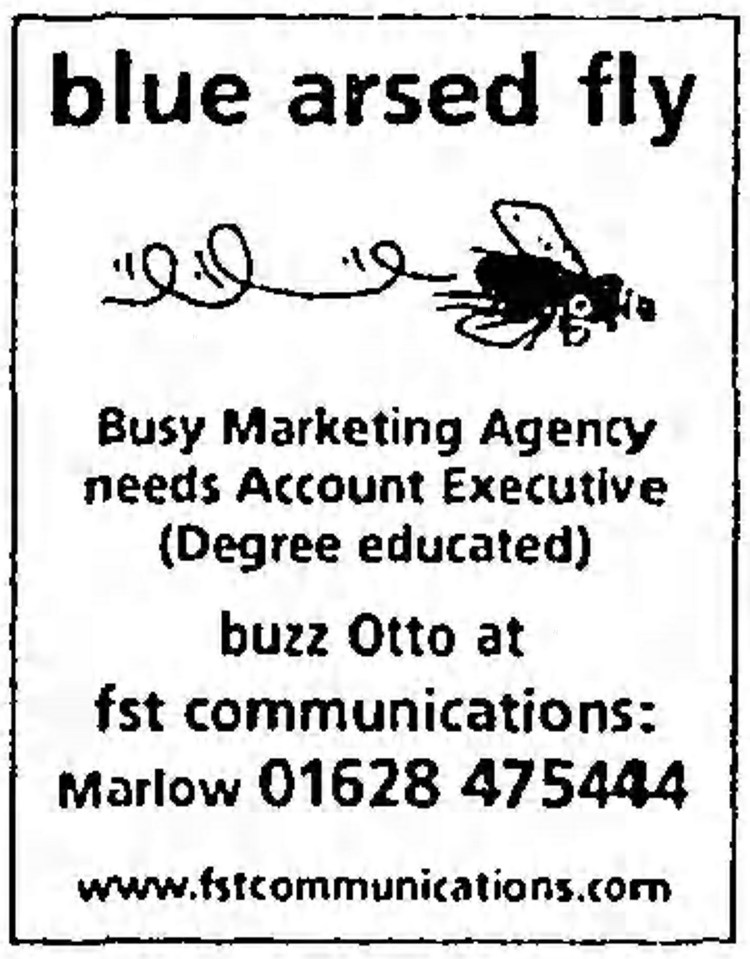
British English, armed forces, 1936—With reference to the bluebottle fly, the colloquial phrase ‘like a blue-arsed fly’ is used to describe someone engaged in constant, frantic activity or movement.
used to convey that something is unvaryingly familiar or drearily predictable—first recorded (USA, 1963) as the title of a song by Roger Kellaway, American jazz pianist and composer
USA, 1910s—originated in horse racing: ‘under wraps’ is used of a horse that the rider is holding back and intentionally keeping from running at top speed—not from the wrapping placed over newly developed machines before their official launch
USA, 1930—‘to crawl, or to come, out of the woodwork’: of an unpleasant or unwelcome person or thing, to come out of hiding, to emerge from obscurity; the image is of vermin or insects crawling out of crevices or other hidden places in a building
USA—‘apple polisher’ (1918): a person who curries favour with a superior; ‘apple polishing’ (1926): (an instance of) currying favour—with reference to the former practice of bringing a shiny apple as a gift to one’s teacher
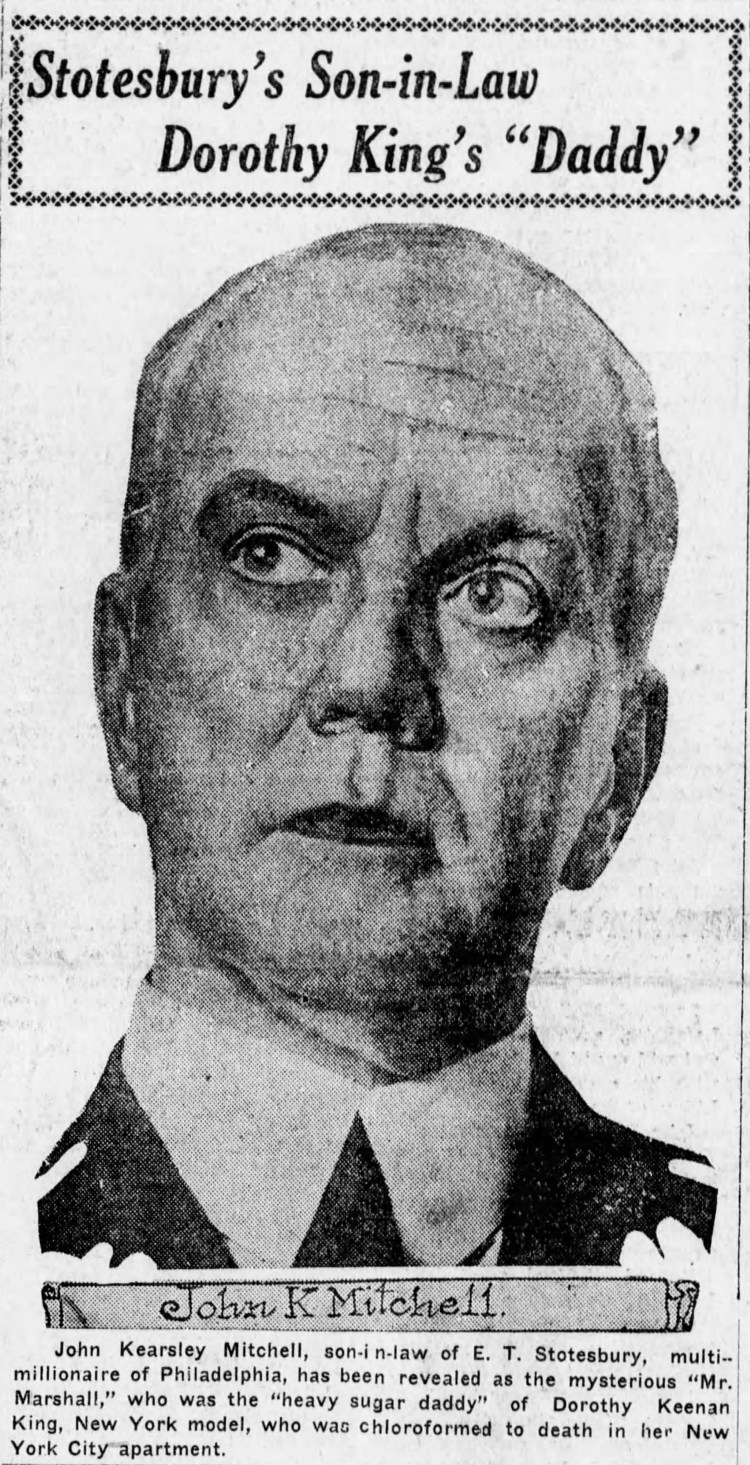
from ‘heavy-sugar daddy’ (USA, 1923), popularised by the murder of Anna Keenan (a.k.a. Dorothy King), who was a ‘heavy-sugar baby’, i.e., a woman ‘coated’ with ‘sugar’ (i.e., money) by a ‘daddy’ (i.e., an older man)
USA, 1911—‘to be decent’: ‘to be sufficiently clothed to see visitors’; often as a coy or jocular enquiry ‘are you decent?’—originated in the question asked when knocking at the door of an actor’s or actress’s dressing room in a theatre
first recorded in the United Kingdom in 1914, with reference to the civilizational implication of the German invasion of Belgium at the beginning of World War One; therefore, not first used by Orson Welles in Citizen Kane (1941)

 word histories