origin of ‘sop’ (a concession given to placate)
17th century—allusion to the Aeneid, by Virgil, in which the Sybil throws a drugged cake to Cerberus, the monstrous dog guarding the entrance to Hades
Read More
“ad fontes!”
17th century—allusion to the Aeneid, by Virgil, in which the Sybil throws a drugged cake to Cerberus, the monstrous dog guarding the entrance to Hades
Read MoreUSA, 1960s—extreme right-wing views associated with the supposedly barbaric and tyrannical rule of Genghis Khan—the name Attila is also used
Read More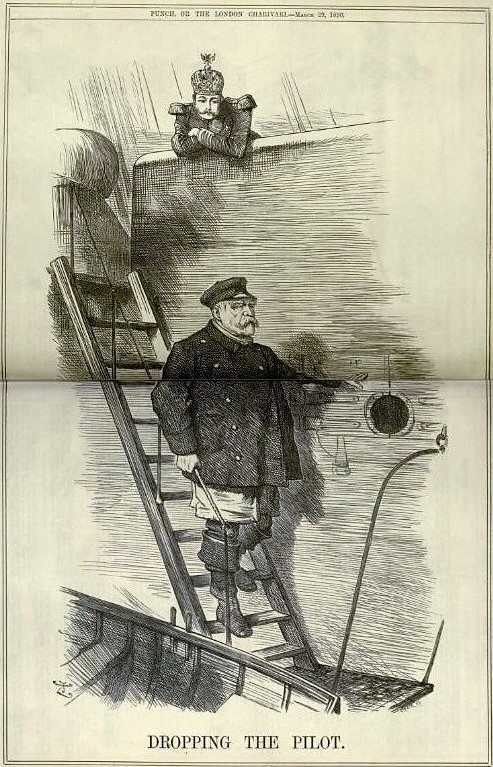
John Tenniel popularised the phrase in a cartoon depicting the dismissal of Otto von Bismarck, published in Punch (London) of 29 March 1890.
Read More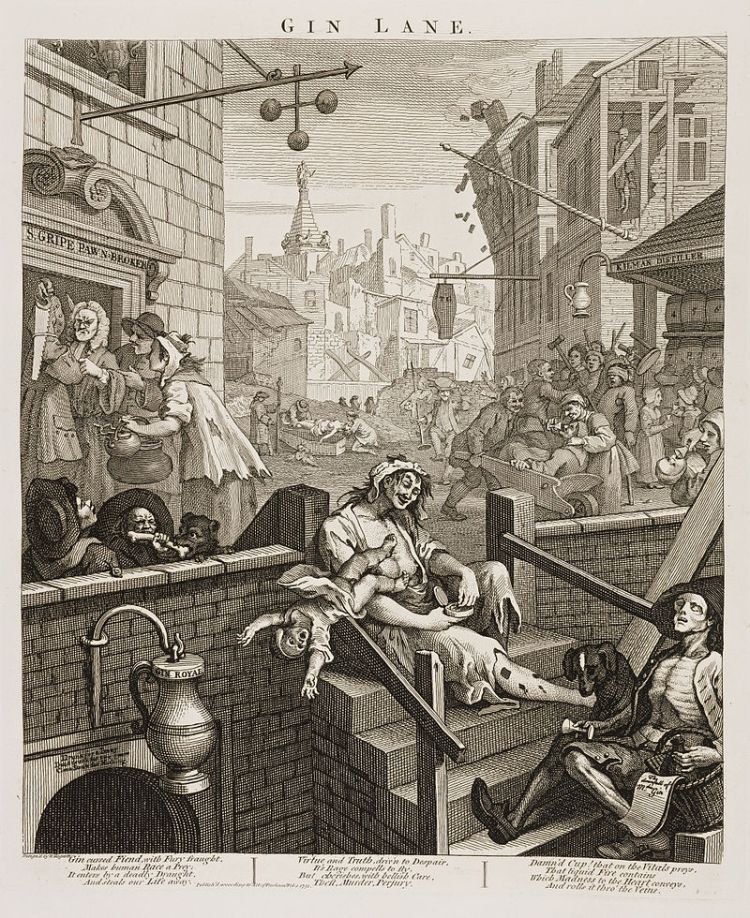
probably refers to pregnancy as an awkward condition, the image being apparently of an uncomfortable position at the top of a pole
Read Moredenotes extreme quickness of movement—the use of ‘greased’ likens lightning to a machine that a mechanic has lubricated in order to minimise the friction and make it run easily
Read More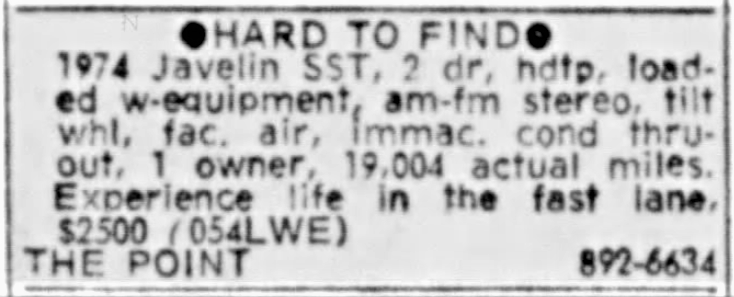
Of American-English origin, the phrase life in the fast lane denotes a glamorous or highly pressured lifestyle. It refers to fast lane, denoting a traffic lane, usually that farthest from the outer edge of a motorway or dual carriageway, intended for drivers who wish to overtake slower cars. The earliest figurative use of fast lane […]
Read MoreAustralia, 1880—from the fact that bananas grow in abundance in Queensland (a state comprising the north-eastern part of Australia)
Read More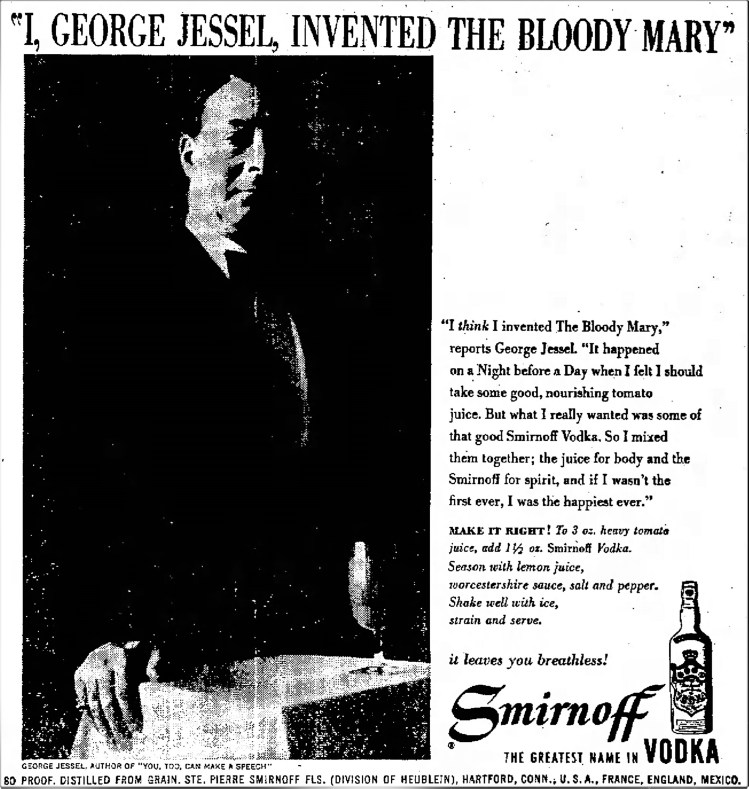
It seems that the American comedian George Jessel (1898-1981) invented the Bloody Mary and named it after Mary Brown Warburton (1896-1937).
Read MoreUK—‘a legend in your lifetime’ (1913): allegedly said by Benjamin Jowett to Florence Nightingale—‘a legend in his own lunchtime’ (1969): first recorded in a theatrical review by John Cunningham
Read MoreUSA, 1947—the leading comic in a burlesque entertainment—also ‘first banana’, in contrast to ‘second banana’ and ‘third banana’
Read More word histories