origin of the Irish-English phrase ‘up the pole’ (‘pregnant’)
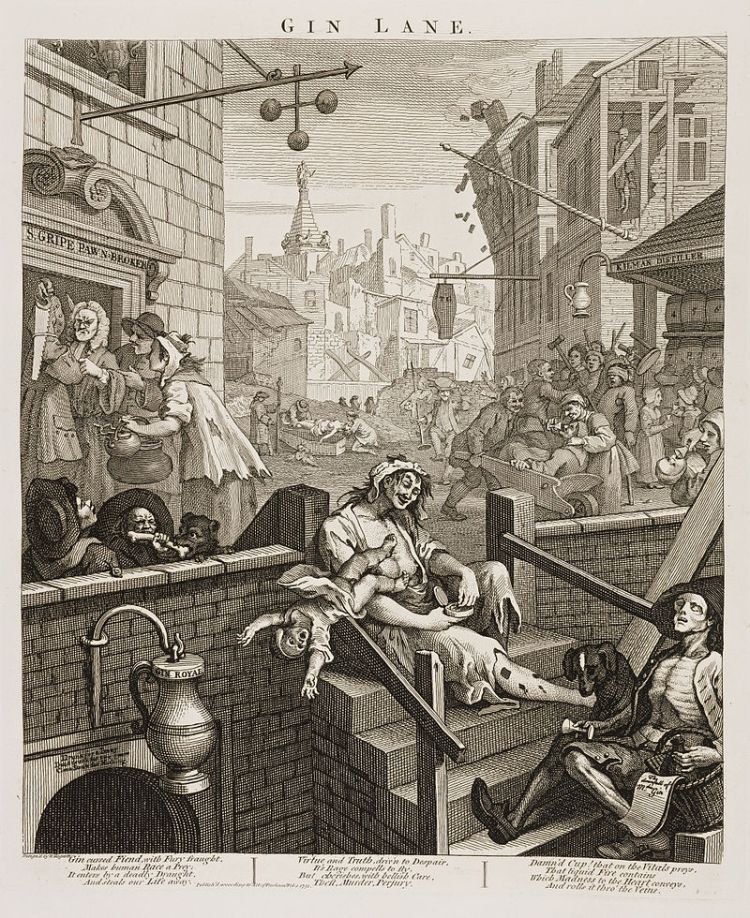
probably refers to pregnancy as an awkward condition, the image being apparently of an uncomfortable position at the top of a pole
Read More
“ad fontes!”
probably refers to pregnancy as an awkward condition, the image being apparently of an uncomfortable position at the top of a pole
Read Moredenotes extreme quickness of movement—the use of ‘greased’ likens lightning to a machine that a mechanic has lubricated in order to minimise the friction and make it run easily
Read More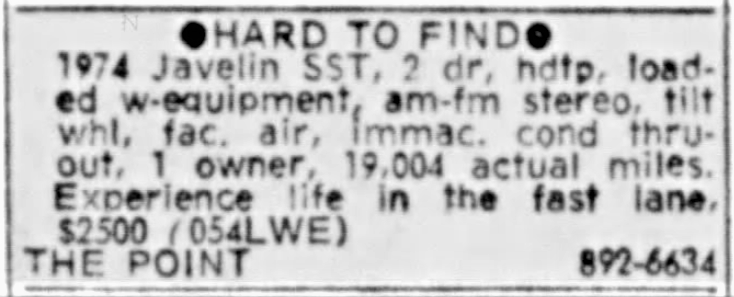
Of American-English origin, the phrase life in the fast lane denotes a glamorous or highly pressured lifestyle. It refers to fast lane, denoting a traffic lane, usually that farthest from the outer edge of a motorway or dual carriageway, intended for drivers who wish to overtake slower cars. The earliest figurative use of fast lane […]
Read MoreAustralia, 1880—from the fact that bananas grow in abundance in Queensland (a state comprising the north-eastern part of Australia)
Read More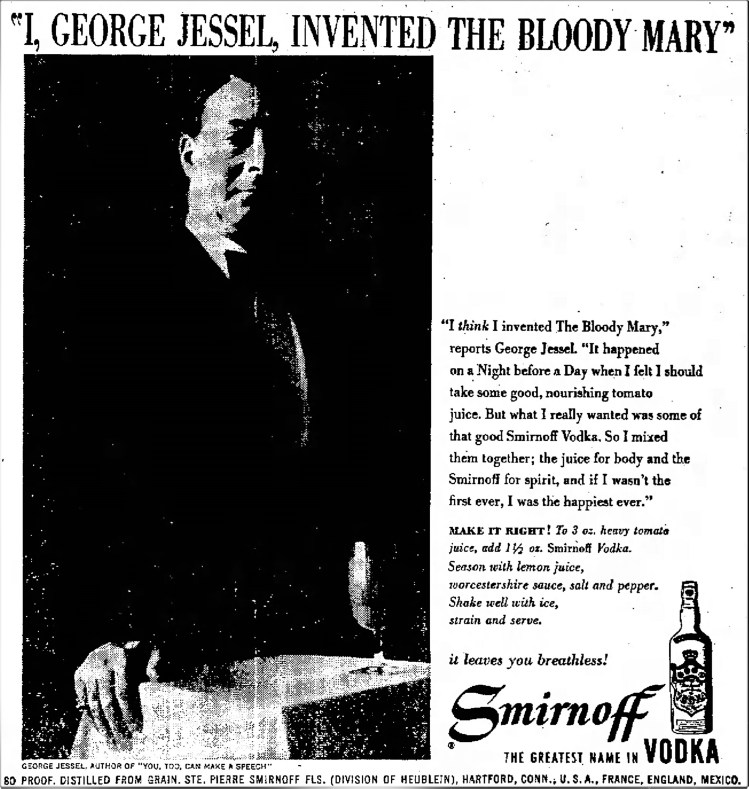
It seems that the American comedian George Jessel (1898-1981) invented the Bloody Mary and named it after Mary Brown Warburton (1896-1937).
Read MoreUK—‘a legend in your lifetime’ (1913): allegedly said by Benjamin Jowett to Florence Nightingale—‘a legend in his own lunchtime’ (1969): first recorded in a theatrical review by John Cunningham
Read MoreUSA, 1947—the leading comic in a burlesque entertainment—also ‘first banana’, in contrast to ‘second banana’ and ‘third banana’
Read Morea Latin-American country that is politically unstable because its economy, controlled by U.S. capital, wholly depends on the export of bananas
Read More
UK, 1852—of a person or thing: irretrievably defunct or out of date—with reference to the extinct bird of Mauritius
Read More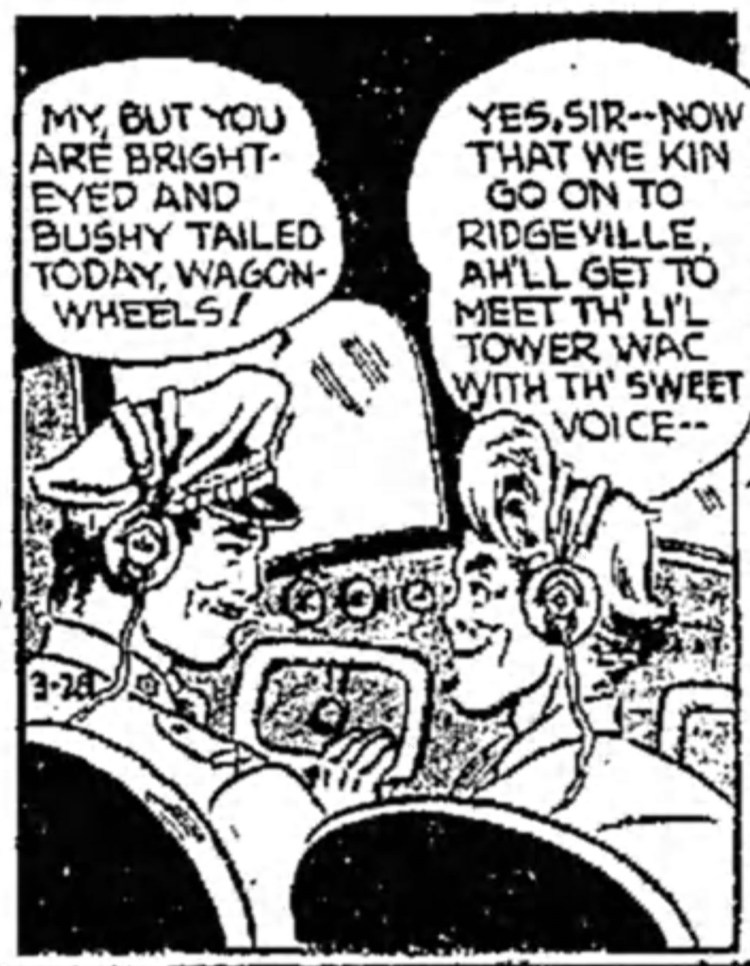
USA, 1940—alert and lively—originated in the conventional image of a healthy, spirited squirrel or other animal
Read More word histories