meaning and origin of the proverb ‘quot homines tot sententiæ’
from Phormio, by the Roman dramatist Terence—appeared in English in the 1539 translation of Erasmus’s adages
Read More
“ad fontes!”
from Phormio, by the Roman dramatist Terence—appeared in English in the 1539 translation of Erasmus’s adages
Read More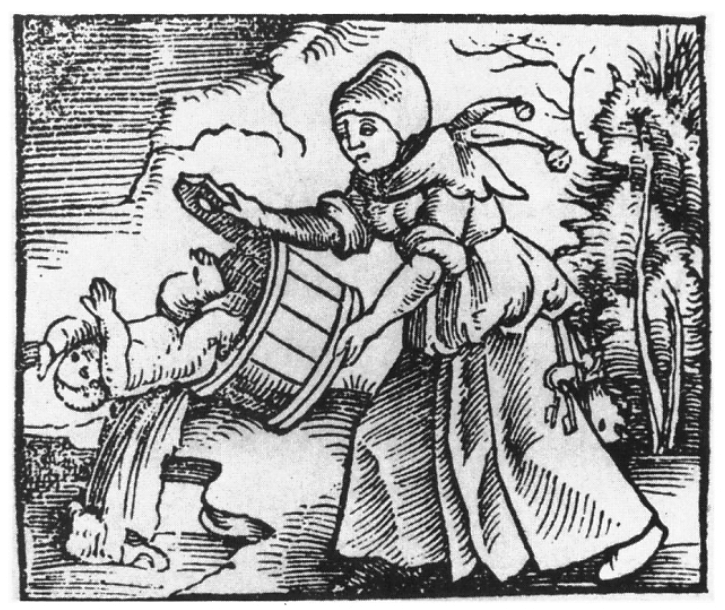
mid-19th century—loan translation from German ‘das Kind mit dem Bade ausschütten’ (to empty out the child with the bath), early 16th century
Read MoreUK, 1872—alludes to a stranger’s accidental (as opposed to a parent’s legal) responsibility for an infant
Read More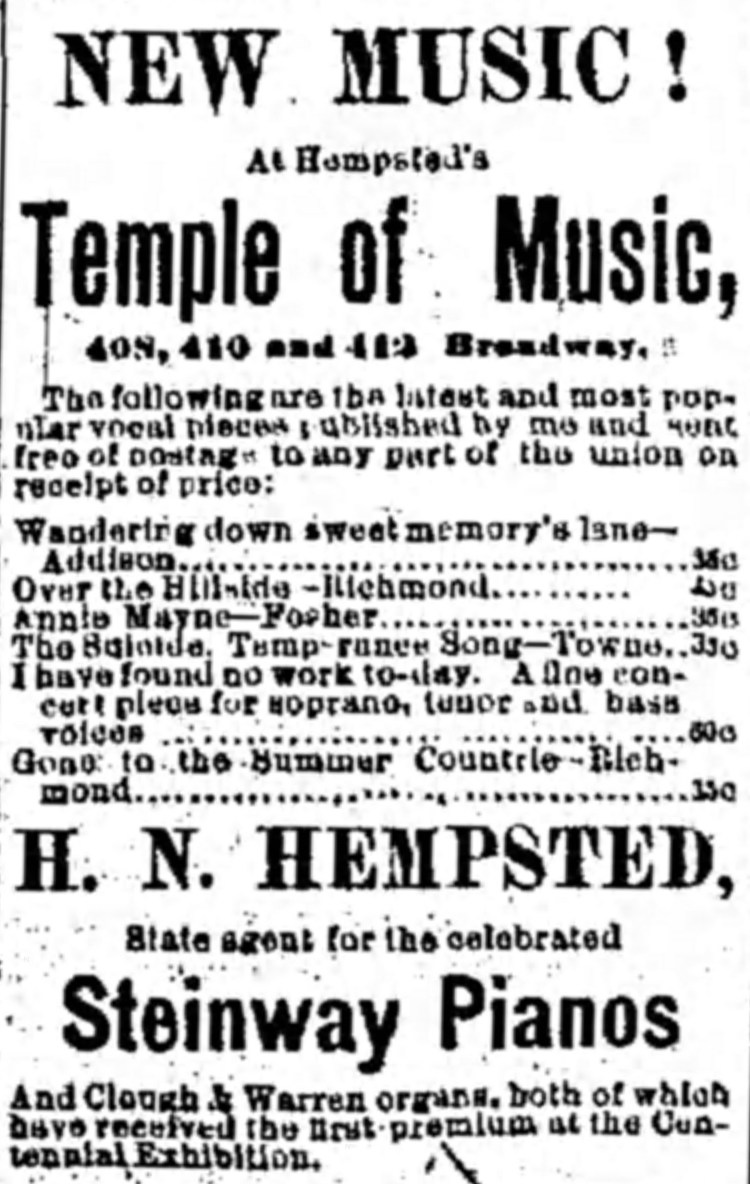
an imaginary path through the nostalgically remembered past—USA, 1876, as ‘memory’s lane’ (‘memory’ in the genitive)
Read More
Scotland, 1914: ‘buroo’, informal form of ‘bureau’ (generic sense)—later used specifically in the sense of Labour Bureau, hence of unemployment benefit (1921)
Read More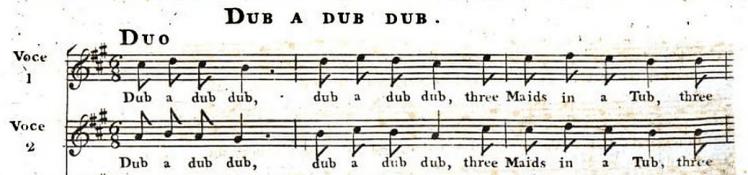
UK, 1848—people of various professions; people of all kinds—alludes to ‘Rub a dub dub’, a nursery rhyme of the late 18th century
Read MoreUSA, 1889—humorous, informal: a hen’s egg—composed of ‘cackle’, the raucous clucking cry given by a hen, especially after laying an egg, and of ‘berry’
Read More
USA, 1955—the education system regarded as a place where the law of the jungle applies—from the title of a 1954 novel and of its 1955 film adaptation
Read More
UK, 1816—successful person attracting envious hostility—from Tarquin’s decapitation of the tallest poppies to indicate the fate of enemies
Read More1961—to be all talk and no action—originally without the negative determiner ‘no’—refers to verbal and sexual arrogance
Read More word histories