‘ploughman’s lunch’: meaning and origin
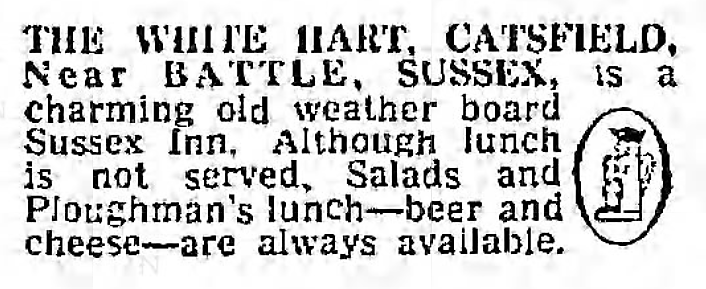
1957—coined as a marketing term by the Cheese Bureau, an organisation formed to promote the sales of cheese, when it began encouraging pubs to serve this meal
Read More
“ad fontes!”
1957—coined as a marketing term by the Cheese Bureau, an organisation formed to promote the sales of cheese, when it began encouraging pubs to serve this meal
Read More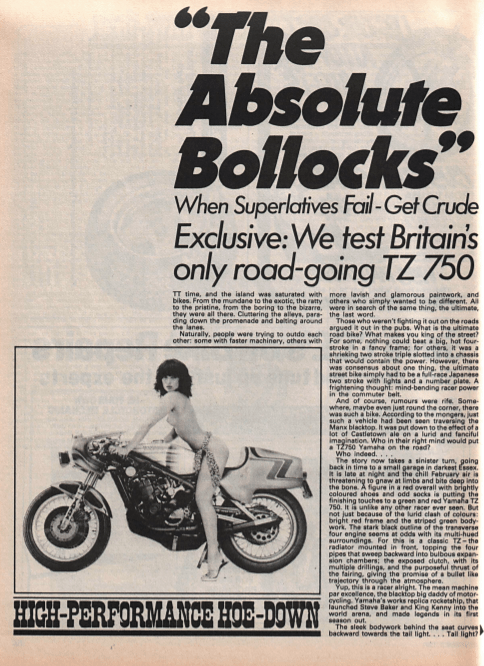
UK, 1980s—the very best—perhaps from ‘it sticks out like a dog’s ballocks’, denoting something obvious, hence someone or something that sticks out from the rest
Read MoreUK, 1988—used in similes to denote something that protrudes—originated in British military slang
Read More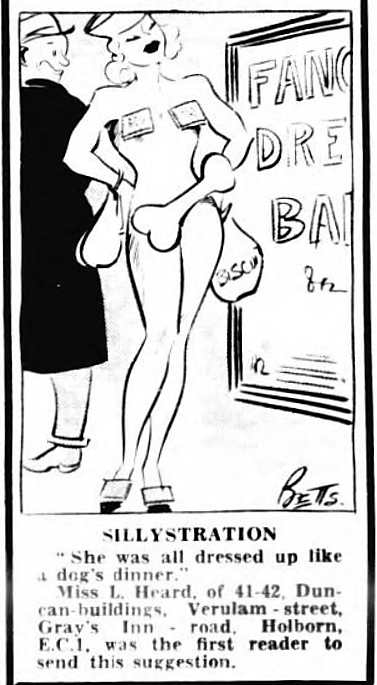
UK—a confused mess—alludes to the jumbled nature of a dog’s meal—‘like a dog’s dinner’: over-elaborately or ostentatiously dressed
Read More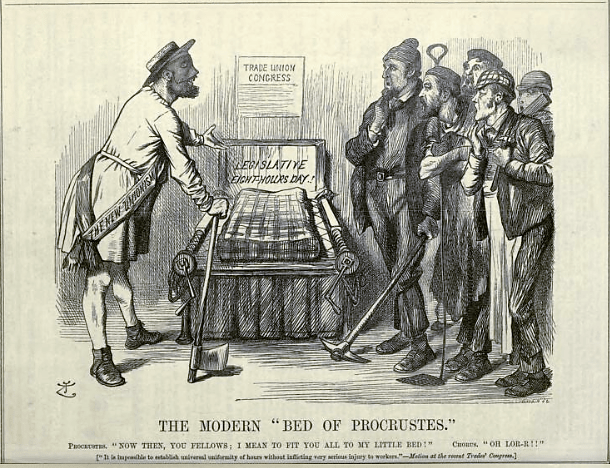
a means of enforcing conformity—Greek mythology: Procrustes was a robber who made his victims fit a bed by either stretching them longer or cutting them shorter
Read More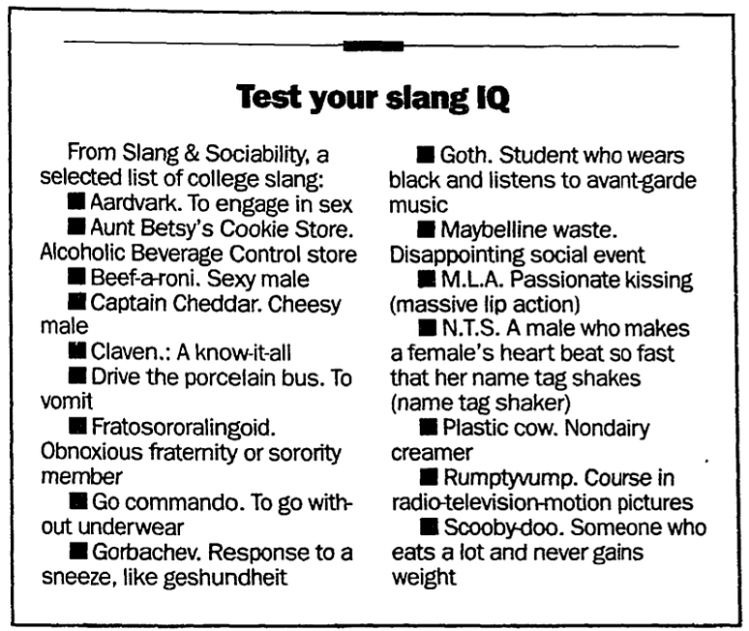
USA, 1974—to wear no underpants—originated in university slang—perhaps because commandos wear no underpants in order to prevent crotch rot and rashes
Read MoreUK, 1915—to be lavish in one’s celebrations or spending—Army and Navy slang: to buy a round of drinks—’a boat’ might be metaphorical for ‘a glass’ (i.e., ‘a drink’)
Read More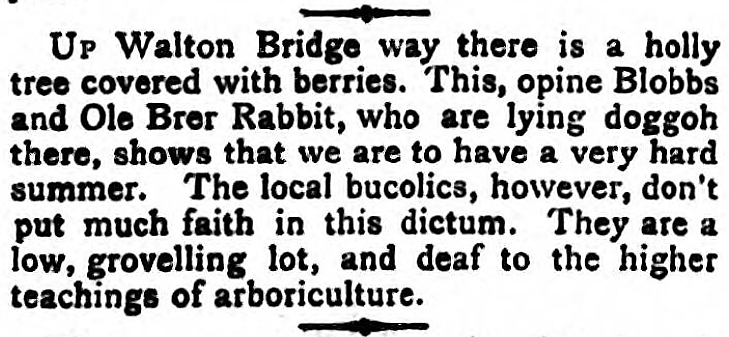
UK, 1882—to remain motionless and quiet; to keep a low profile—probably from ‘dog’ and suffix ‘-o’, with allusion to the characteristically light sleep of a dog
Read More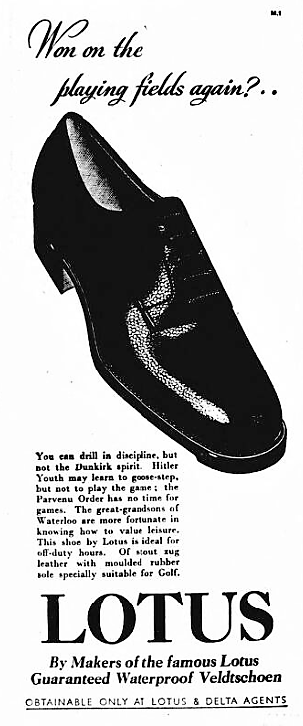
1940 as ‘spirit of Dunkirk’—determination to endure hardship—refers to the evacuation of the British Expeditionary Force from Dunkirk in May/June 1940
Read More
UK, 1845: made as a last desperate attempt—from the 18th-century phrase ‘to die in the last ditch’, ‘ditch’ denoting a defensive entrenchment
Read More word histories