origin of ‘an apple a day keeps the doctor away’
UK, 1892—postdates by several years variants such as ‘eat an apple on going to bed, and you will keep the doctor from earning his bread’
Read More
“ad fontes!”
UK, 1892—postdates by several years variants such as ‘eat an apple on going to bed, and you will keep the doctor from earning his bread’
Read More
1968—Liverpool Roman Catholic cathedral—from the large number of Roman Catholics of Irish descent in Liverpool and the resemblance of the cathedral to a tepee
Read More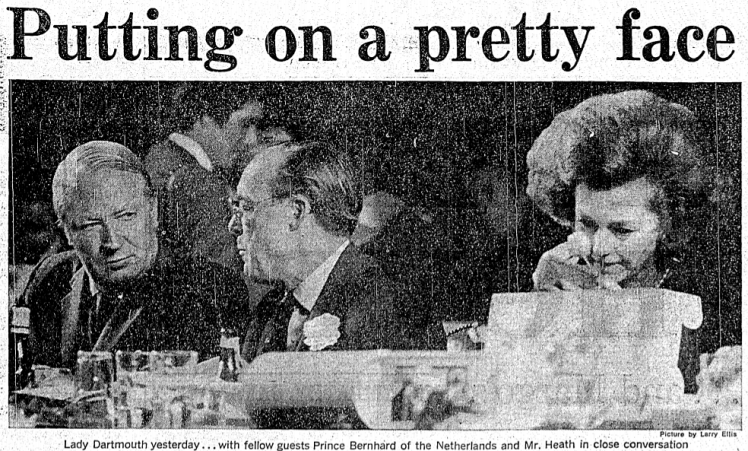
1973—from ‘the unacceptable face of capitalism’, used by Prime Minister Edward Heath during a debate at the House of Commons on 15 May 1973
Read Morewomen regarded collectively as objects of sexual desire; sexual intercourse—first recorded in ‘The Gilt Kid’ (1936), by James Curtis (Geoffrey Basil Maiden)
Read More
USA, 1942, Army slang—popularised in the Army weekly ‘Yank’ by ‘The Sad Sack’, a cartoon strip by George Baker, depicting the misfortunes of an inept private
Read More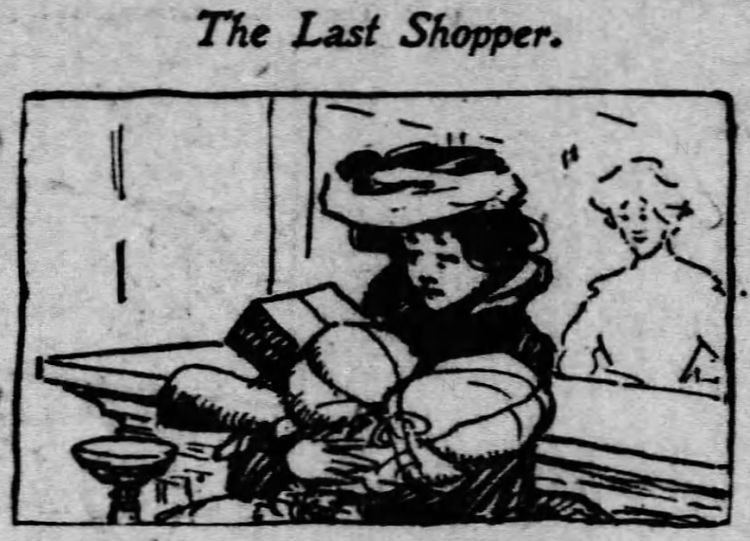
USA, 1904—from the image of shopping until one is physically exhausted and unable to continue—alludes to the consumerist avidity prompted by department stores
Read More
Australia and New Zealand 1913—alludes to horse racing, in which a horse wins a race by being the first to pass the finishing post
Read More
the time of one’s greatest success—from the speech made on 18 June 1940 by P.M. Winston Churchill after the fall of France and before the Battle of Britain
Read MoreUK 2006—to play recherché music on a jukebox with the intent of irritating pub customers—attributed to Carl Neville in reference to Robert Wyatt’s ‘Dondestan’
Read More
‘cheese-eating surrender monkeys’: the French people (USA, 1995) from The Simpsons—‘tea-drinking surrender monkeys’: the British people (Ireland, 2004)
Read More
