a personal view on the ‘animal-friendly’ phrases suggested by PETA
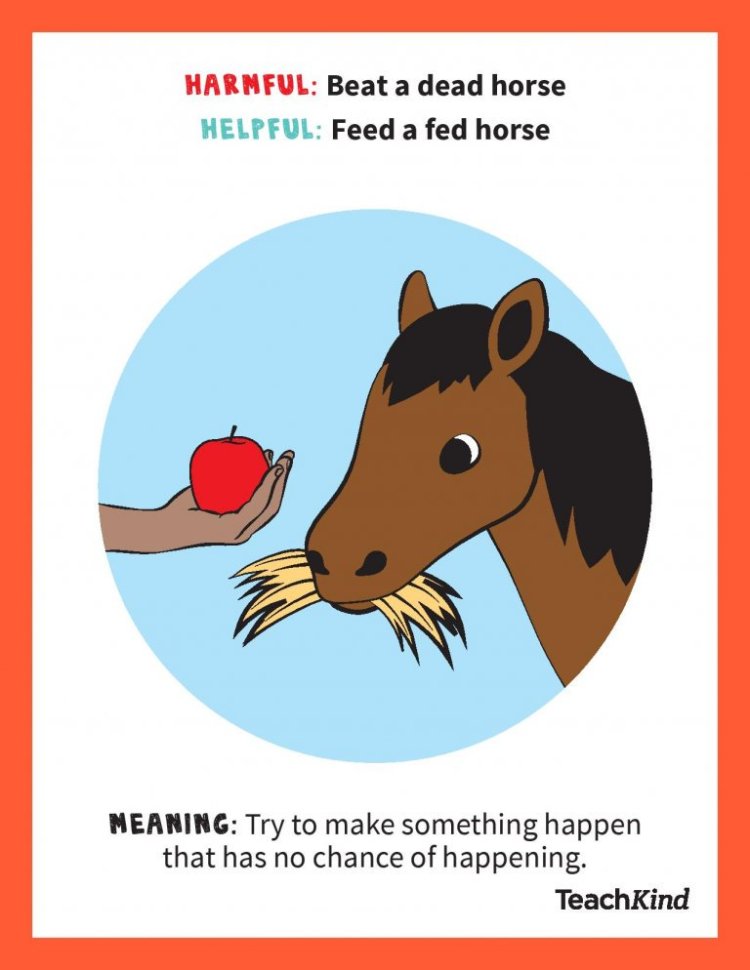
Fundamentally, I object to the will of any group to artificially modify language in order to impose their world view.
Read More
“ad fontes!”
Fundamentally, I object to the will of any group to artificially modify language in order to impose their world view.
Read More‘robe’ originally denoted something that has been robbed—French ‘voler’ (‘to fly’) has come to mean ‘to steal’ via falconry
Read MoreUSA, 1797—alludes to legendary outlaw Robin Hood—’barn’ (metaphor for the country as supply of food) was applied to any large space
Read More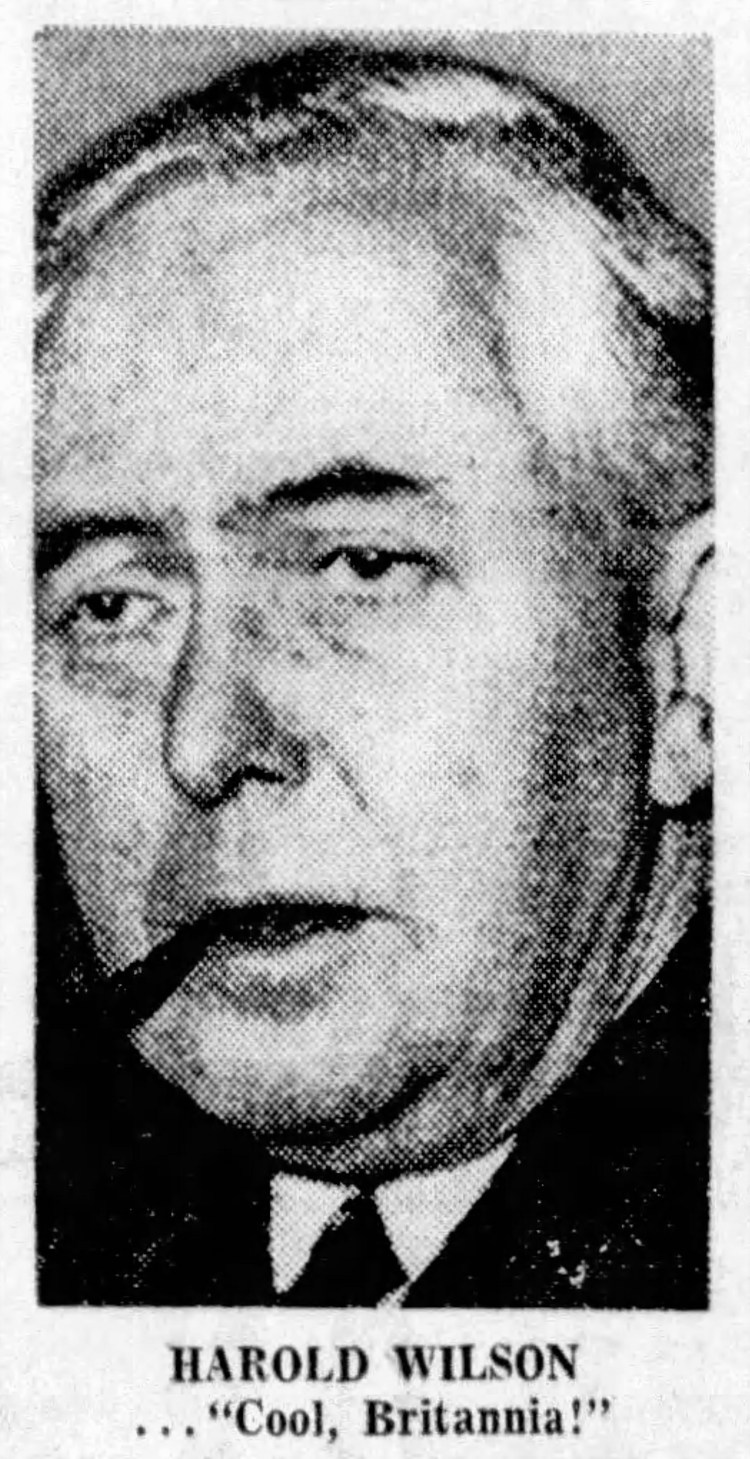
UK and Canada, from 1903 onwards—punningly alludes to ‘Rule Britannia’ (1740), the title of a popular patriotic song
Read MoreUSA, 1822—extremely pleased, delighted—alludes to the belief that a dog wags its tail as a sign of pleasure or happiness
Read More
Contrary to what is claimed, ‘easy-peasy’ doesn’t seem to be of British origin, nor to be connected with the British washing-up liquid Sqezy.
Read More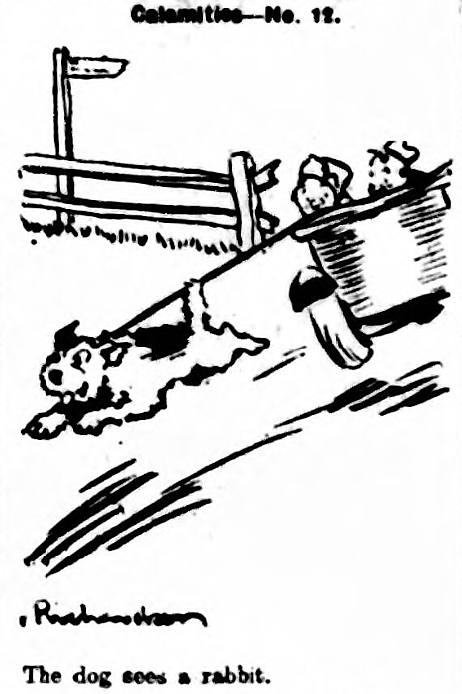
1893—to allow someone to get on with their task—originated in Wales with reference to fair-mindedness in sports
Read Morefrom Phormio, by the Roman dramatist Terence—appeared in English in the 1539 translation of Erasmus’s adages
Read More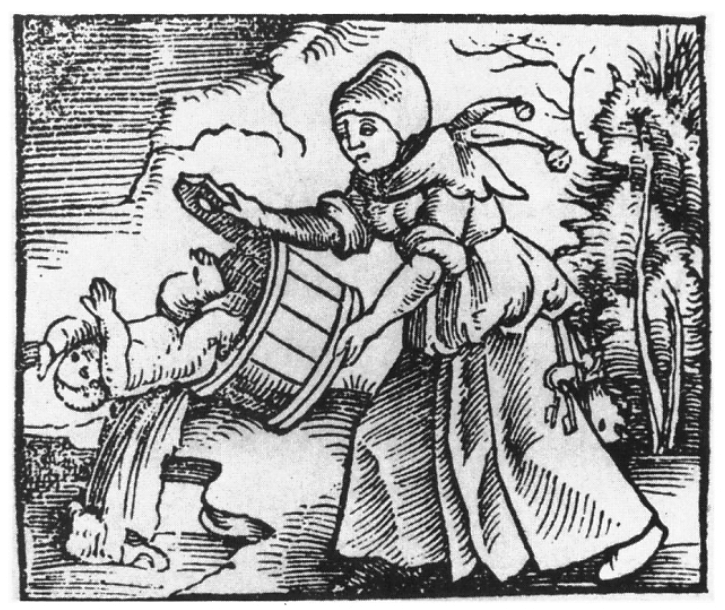
mid-19th century—loan translation from German ‘das Kind mit dem Bade ausschütten’ (to empty out the child with the bath), early 16th century
Read MoreUK, 1872—alludes to a stranger’s accidental (as opposed to a parent’s legal) responsibility for an infant
Read More word histories