meaning and origin of ‘somebody is walking over my grave’
early 18th century, in Jonathan Swift’s ‘Polite Conversation’—from the folk belief that one shudders when somebody walks over the site of one’s future grave
Read More
“ad fontes!”
early 18th century, in Jonathan Swift’s ‘Polite Conversation’—from the folk belief that one shudders when somebody walks over the site of one’s future grave
Read More
1875 in The Evening News (Indianapolis, USA)—in reference to tin as a base metal, ‘tin’ is used in the senses ‘petty’, ‘worthless’, ‘counterfeit’
Read Morechurchyard—from German ‘Gottesacker’, literally ‘God’s field’—image of the bodies of the dead sown like seeds in order to bear fruit at the time of resurrection
Read More
USA, 1874, as ‘a little tin Jesus on wheels’—in reference to tin as a base metal, ‘tin’ is used figuratively in the senses ‘petty’, ‘worthless’, ‘counterfeit’
Read Moreto behave in an unpleasant, aggressive or overbearing manner; to speak in a sarcastic or caustic way—British Army slang, World War I
Read More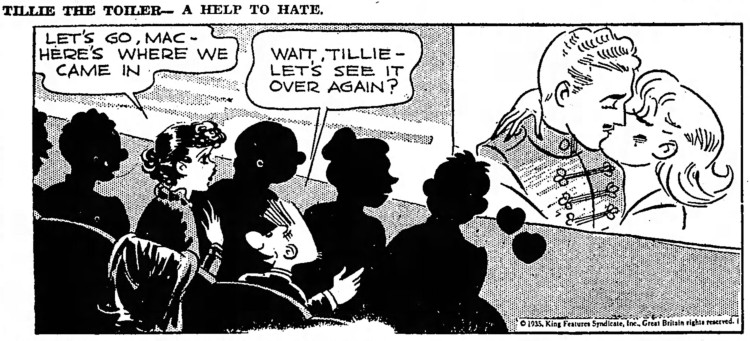
when there were consecutive screenings of a film, spectators could start watching at any point and stay on to watch the first part on the next showing
Read More
USA, 1913—a female cheerleader who waves a pair of pompoms (large round clusters of brightly coloured streamers) in support of a sports team
Read More
to die; to be lost or destroyed; to meet with disaster—1914, Army slang—probably from the notion of the setting sun symbolising disappearance or finality
Read MoreUK, 1892—postdates by several years variants such as ‘eat an apple on going to bed, and you will keep the doctor from earning his bread’
Read More
1968—Liverpool Roman Catholic cathedral—from the large number of Roman Catholics of Irish descent in Liverpool and the resemblance of the cathedral to a tepee
Read More word histories