meaning and origin of the phrase ‘the great unwashed’
UK, 1829—a pejorative appellation of the lower classes by the middle and upper classes, although apparently appropriated by the lower classes
Read More
“ad fontes!”
UK, 1829—a pejorative appellation of the lower classes by the middle and upper classes, although apparently appropriated by the lower classes
Read More
2019—used to mean ‘Anglo-Welsh’—from ‘Gavin & Stacey’, a sitcom about the relationship between an Englishman and a Welsh woman
Read More
1989—a person acting vengefully after having been spurned by their lover—from 1987 film Fatal Attraction, in which a rejected woman boils her lover’s pet rabbit
Read More
‘alive and well’ (ca 1590): still existing or active—‘alive and well and living in ——’ (1834): originally referring to persons thought to have been murdered
Read More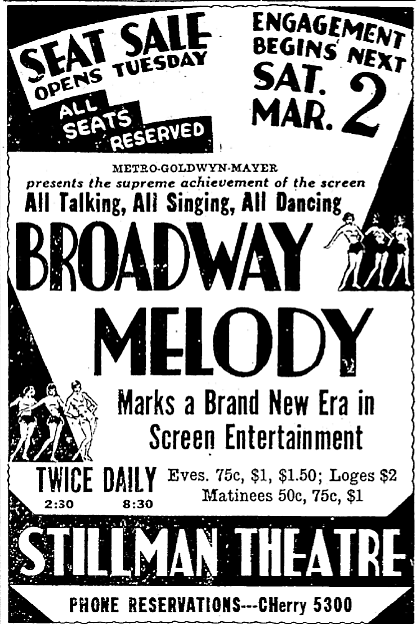
UK, 1959—having every desirable feature possible—from ‘all-singing, all-dancing’ as used in the billing given to film or stage musical productions
Read More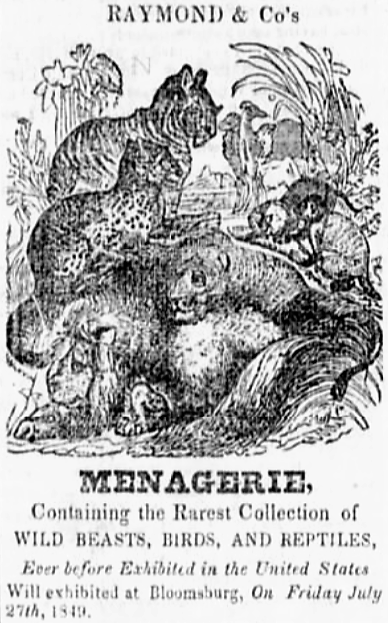
‘to stick out like a sore thumb’ USA, 1868, to be glaringly obvious— ‘to be on hand like a sore thumb’ USA, 1849, to be fully available
Read More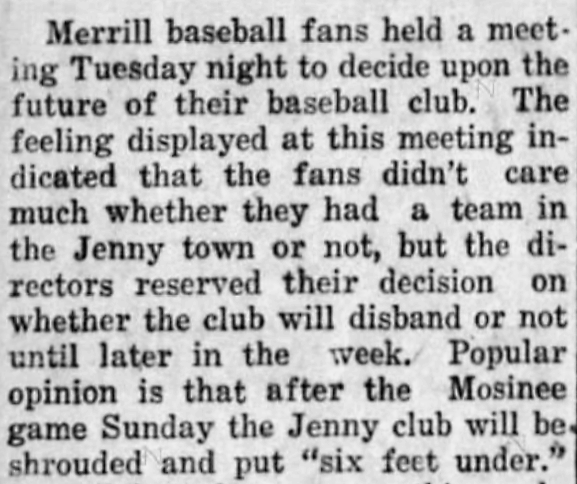
USA, 1924—dead and buried—short for ‘buried six feet under ground’—alludes to the normal depth of a grave
Read More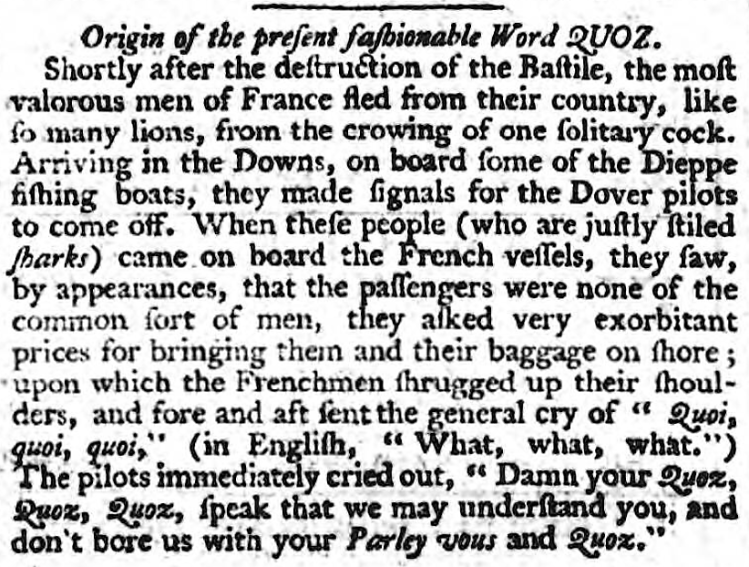
UK, circa 1780—an odd or ridiculous person or thing—synonym – and apparently fanciful variant – of ‘quiz’
Read More
UK, 1924—used to indicate that the speaker has been inattentive or has not understood what has just been said
Read MoreUSA, 1802 and 1851—translations from German—apparently from the idea that the area behind the ears is the last part to become dry after birth
Read More word histories