the curious case of the French word ‘oignon’

Decided by the Académie française, the erroneous spelling ‘oignon’ (= ‘onion’) has become a symbol of prejudiced people, ignorant of the history of their own language.
Read More
“ad fontes!”
Decided by the Académie française, the erroneous spelling ‘oignon’ (= ‘onion’) has become a symbol of prejudiced people, ignorant of the history of their own language.
Read More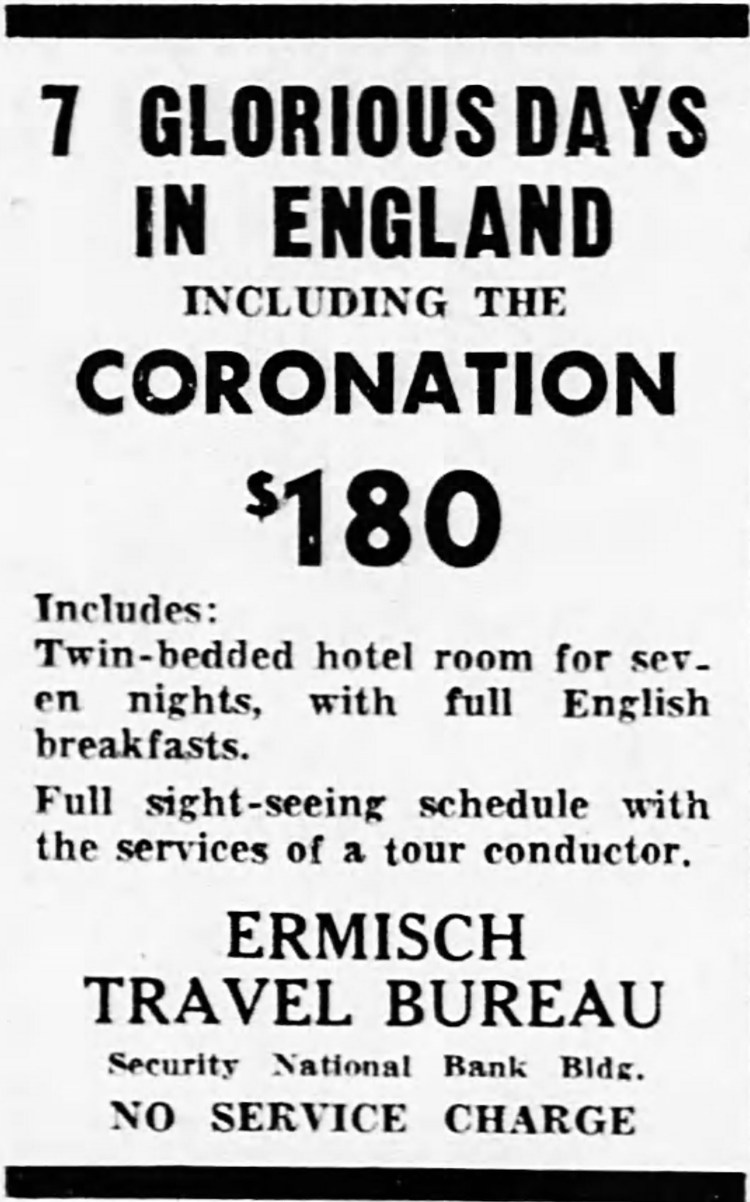
UK, 1933—a substantial breakfast including hot cooked foods such as bacon, sausages, eggs and baked beans
Read More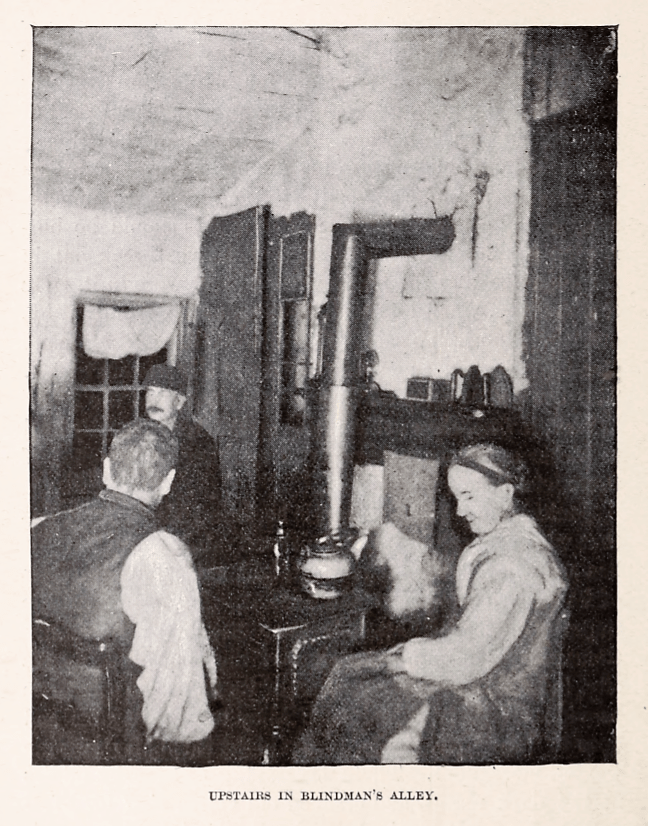
UK, 1849: cheap dingy eatery, as a translation from German—USA, from 1862 onwards: brothel, squalid lodging-house, bar; 1897: cheap dingy eatery
Read More
1850, in The Times of London, apparently as a translation from German—later instances (Minnesota, 1891-98) also associated with German to an extent or another
Read Moreearly 18th century, in Jonathan Swift’s ‘Polite Conversation’—from the folk belief that one shudders when somebody walks over the site of one’s future grave
Read More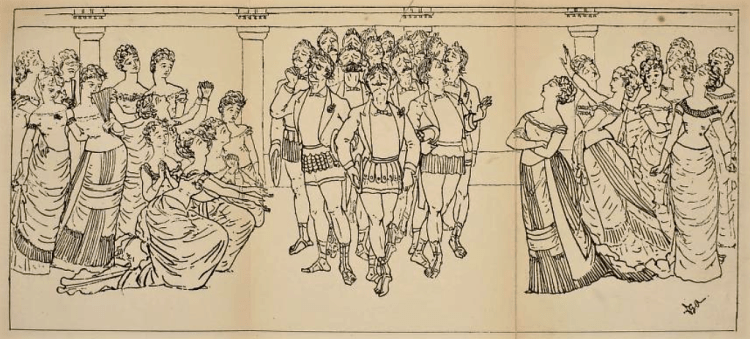
1875 in The Evening News (Indianapolis, USA)—in reference to tin as a base metal, ‘tin’ is used in the senses ‘petty’, ‘worthless’, ‘counterfeit’
Read Morechurchyard—from German ‘Gottesacker’, literally ‘God’s field’—image of the bodies of the dead sown like seeds in order to bear fruit at the time of resurrection
Read More
USA, 1874, as ‘a little tin Jesus on wheels’—in reference to tin as a base metal, ‘tin’ is used figuratively in the senses ‘petty’, ‘worthless’, ‘counterfeit’
Read Moreto behave in an unpleasant, aggressive or overbearing manner; to speak in a sarcastic or caustic way—British Army slang, World War I
Read More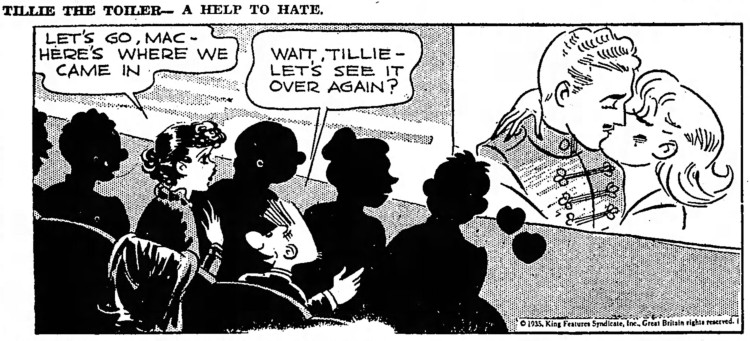
when there were consecutive screenings of a film, spectators could start watching at any point and stay on to watch the first part on the next showing
Read More word histories