‘to play billiards well is a sign of a misspent youth’

UK, 1884—often erroneously attributed to philosopher Herbert Spencer, who said he only repeated an assertion made by a friend of his, Charles Roupell
Read More
“ad fontes!”
UK, 1884—often erroneously attributed to philosopher Herbert Spencer, who said he only repeated an assertion made by a friend of his, Charles Roupell
Read More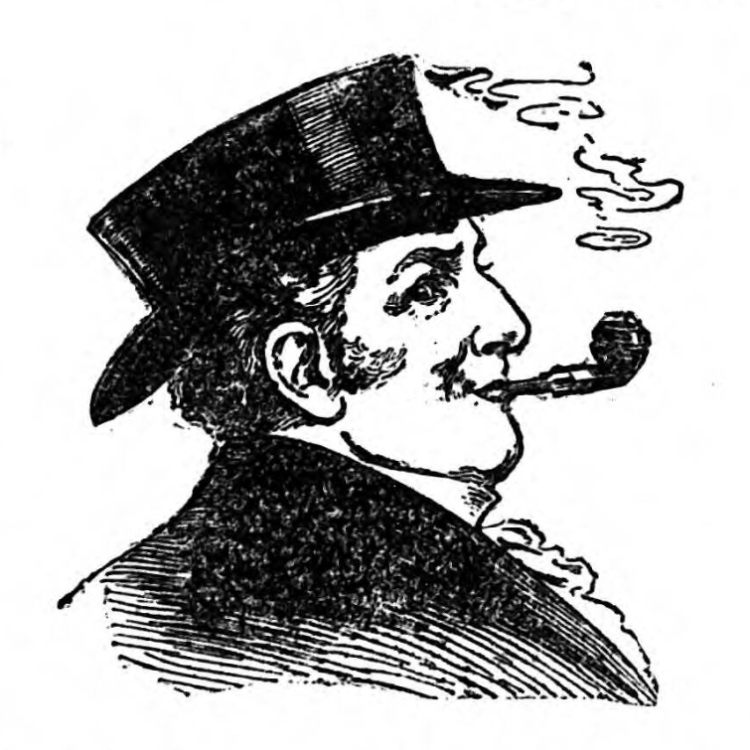
accept that fact if you can—1820: Irish English and associated with the obsolete figurative sense ‘to consider’ of the verb ‘smoke’
Read More
used of images suggestive of real or imaginary events—UK and USA early 1900s: popularised by its use as an advertising slogan for Doan’s Backache Kidney Pills
Read MoreAmerican English, 1965—signification: to be kept in a state of ignorance and told nonsense—in use a few years later in Australian English and British English
Read MoreUSA, 1984—used to indicate that something is blatantly obvious—humorously from ‘Is the Pope Catholic?’ and ‘Does a bear shit in the woods?’
Read More
USA—used ironically as a response to a question or statement felt to be blatantly obvious—from 1959 onwards as ‘Does a bear live in the woods?’ and variants
Read More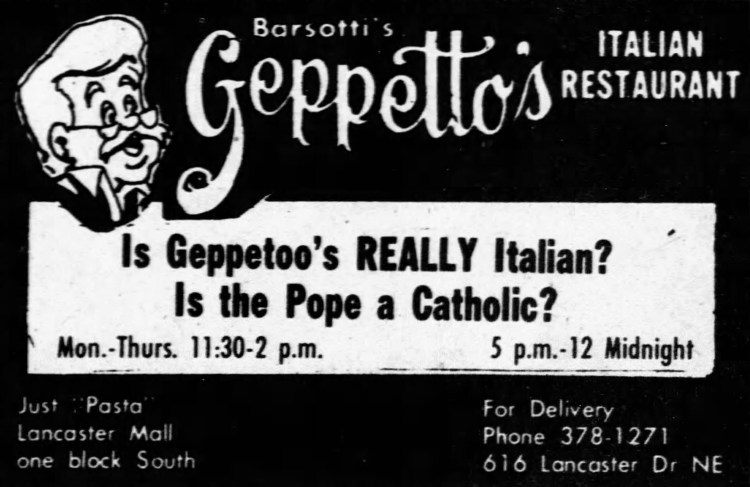
USA, 1951—rhetorical question used ironically as a response to a question or statement felt to be blatantly obvious
Read More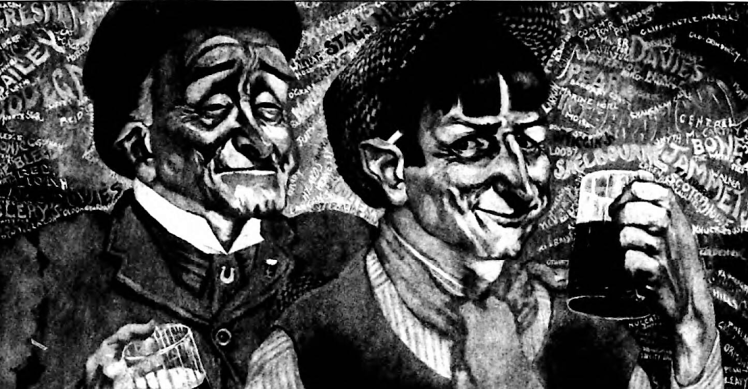
USA, 1902—jocularly used to justify the necessity of taking another alcoholic drink—Irish variant (1947): ‘a bird never flew on one wing’
Read More2017-18: when confronted by nurses, both British Prime Minister and French President justified austerity policies by arguing that there is no magic money (tree)
Read More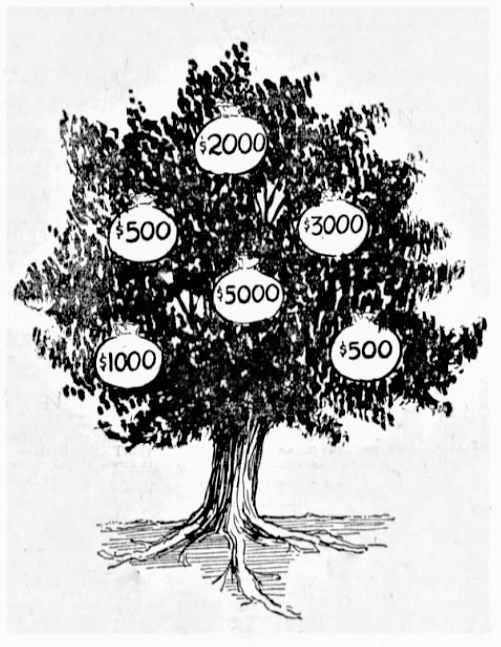
‘money tree’ (UK, 1749): a source of easily obtained or unlimited money—‘to shake the money tree’ (UK, 1851)—related to proverb ‘money does not grow on trees’
Read More word histories