‘gone to Gowings’: meaning and origin of this Australian phrase
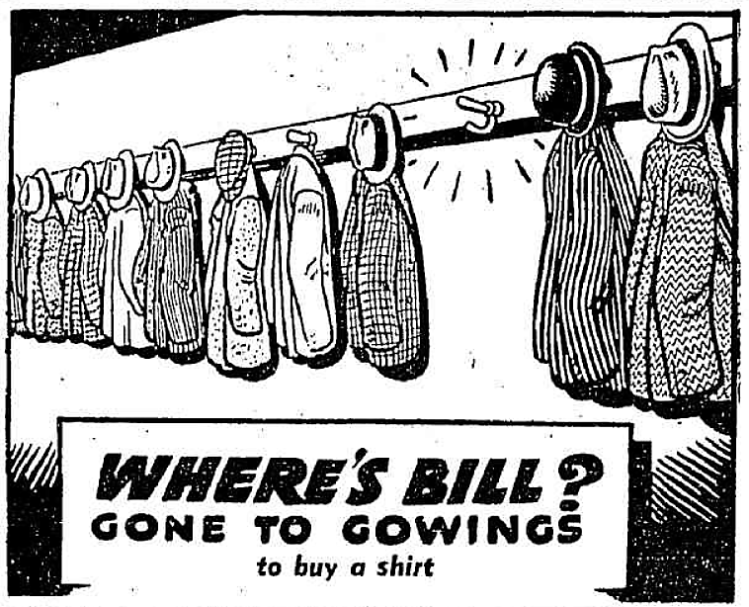
originally applied to someone’s absence—Australia, 1945—originated in 1940s advertisements for Gowings, showing scenes vacated in a hurry by those seeking bargains
Read More
“ad fontes!”
originally applied to someone’s absence—Australia, 1945—originated in 1940s advertisements for Gowings, showing scenes vacated in a hurry by those seeking bargains
Read More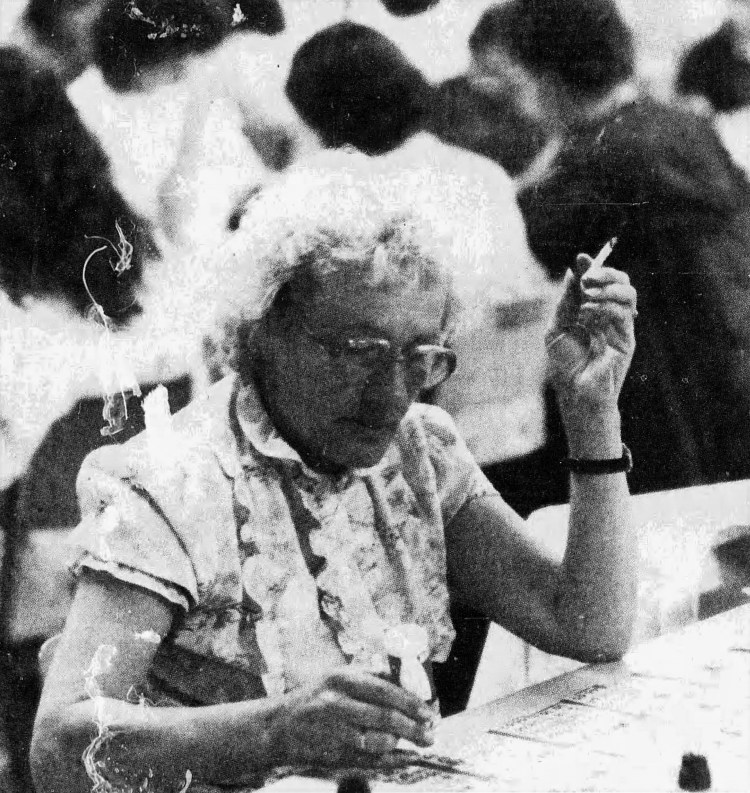
USA, 1992—the folds of loose skin or fat which hang from the undersides of a person’s upper arms—so named because they are common in older women, who are regarded as the type of person most likely to play bingo
Read More
USA, 1938—UK, 1961—satirical phrase referring to the addiction to bingo, a game in which players mark off numbers on cards as the numbers are drawn randomly by a caller, the winner being the first person to mark off all their numbers
Read More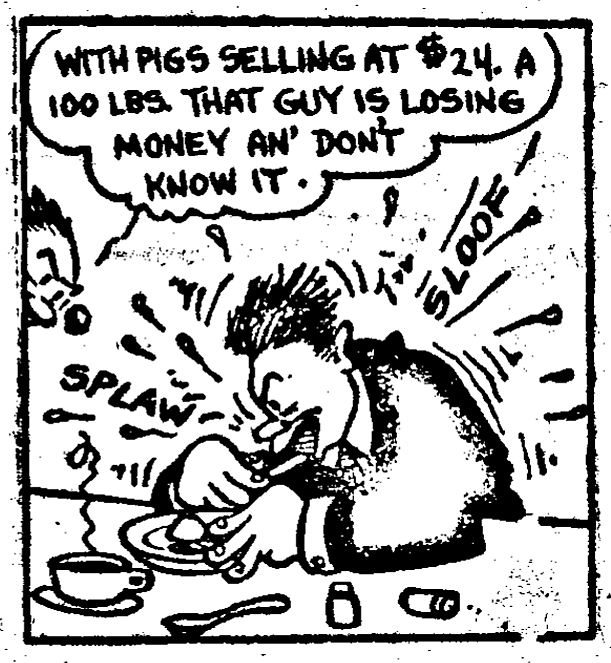
UK, 1879—meanings: an undisciplined assault on food and drink, and, by extension, any disorderly but excited scene
Read MoreUSA, 1833—jocular phrase meaning that the speaker does not care what he is being called—a U.S. and Australian variant uses ‘breakfast’ instead of ‘dinner’
Read More‘shopaholic’ (USA, 1972): a blend of ‘shop’ and ‘alcoholic’; designates a compulsive shopper—‘shopaholism’ (USA, 1983): denotes the state or fact of being a compulsive shopper
Read More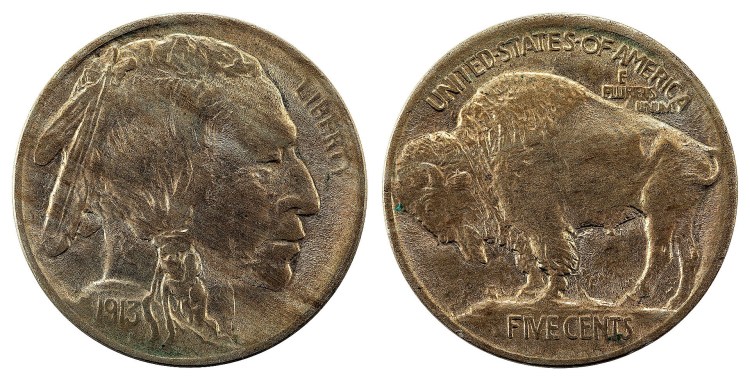
to be extremely tight with money—USA, 1926—refers to the five-cent coin, struck from 1913 to 1938, featuring a Native American on one side and a bison on the other
Read More
USA, 1944—was used when a cattle-owner let the autumn book tally stand all winter and sold out the herd on that basis, no matter how many head froze or got stolen over winter
Read More
U.S. underworld phrase, 1931—The image is of a man whose hat is only a six-incher, but who needs a fifty-inch chest measurement in shirts.
Read Morephrase popularised by its frequent use in the diary (1659-69) of Samuel Pepys (1633-1703)—not peculiar to him, however, as it was used for example by Philip Massinger in 1624
Read More word histories