‘the books won’t freeze’: meaning and purported origin
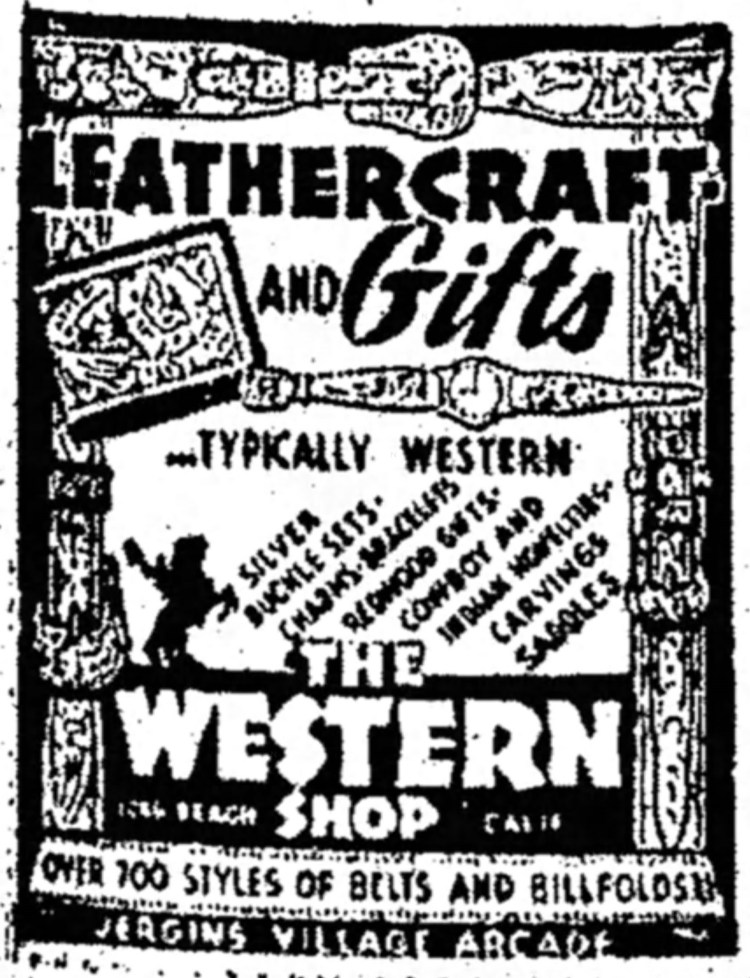
USA, 1944—was used when a cattle-owner let the autumn book tally stand all winter and sold out the herd on that basis, no matter how many head froze or got stolen over winter
Read More
“ad fontes!”
USA, 1944—was used when a cattle-owner let the autumn book tally stand all winter and sold out the herd on that basis, no matter how many head froze or got stolen over winter
Read More
U.S. underworld phrase, 1931—The image is of a man whose hat is only a six-incher, but who needs a fifty-inch chest measurement in shirts.
Read Morephrase popularised by its frequent use in the diary (1659-69) of Samuel Pepys (1633-1703)—not peculiar to him, however, as it was used for example by Philip Massinger in 1624
Read Moredenotes a holiday spent at home or in one’s country of residence—USA, 1944—a blend of ‘stay’ and ‘vacation’
Read MoreUSA, 1947—a mild insult perhaps alluding to impecuniousness—seems to have originated amongst teenagers and young adults
Read MoreUK, early 18th century—addressed to one who, saying ‘coming!’ (i.e., ‘in a minute’), takes a long time to arrive—used by extension of anything that is being delayed
Read Moreuncontrollable or obsessive passion—French phrase introduced in the 1960s as a theme of drama, prose narrative and cinema
Read More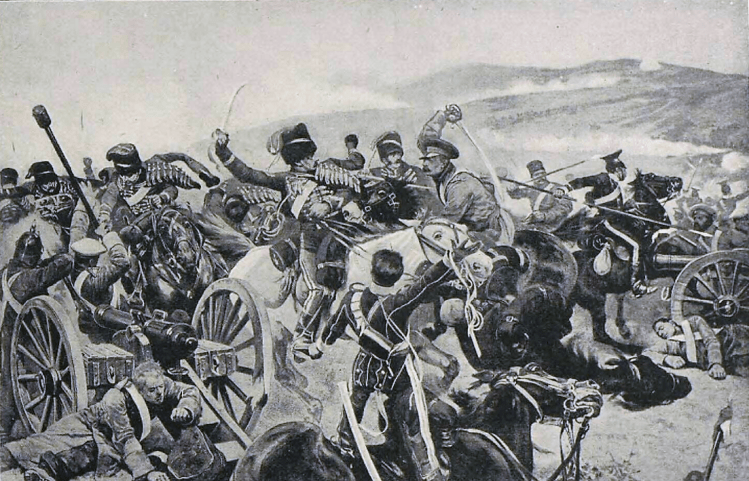
alludes to a British cavalry charge in 1854 during the Battle of Balaclava in the Crimean War—the phrase has had a variety of meanings, depending on the acceptation in which ‘charge’ has been used
Read More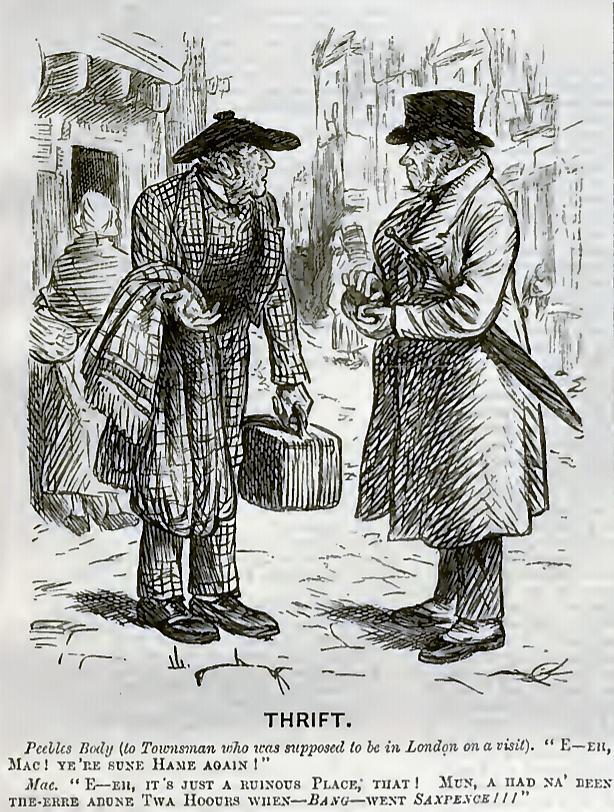
UK, 1870—based on the stereotype of Scots being miserly—from the story of the Scotsman who complained that he had to spend, in London, the small sum of sixpence
Read More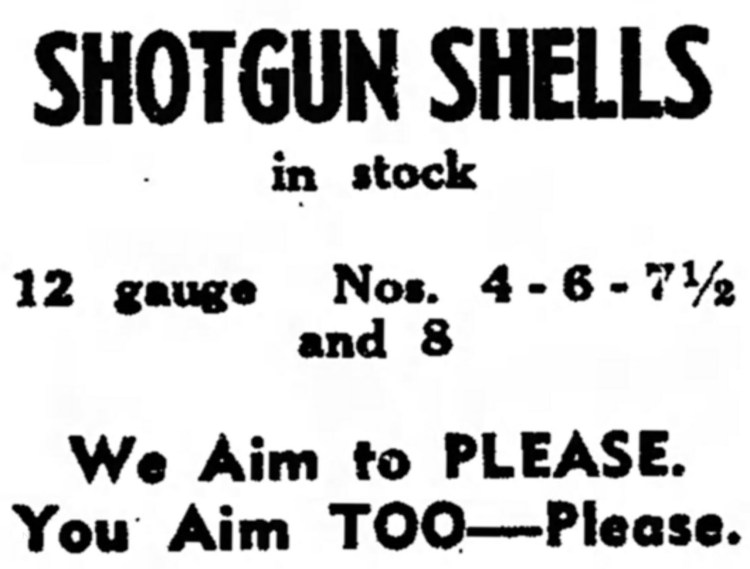
‘we aim to please’ (1817): originally chiefly used as a commercial slogan meaning ‘our customers’ satisfaction is our goal’—extended form ‘we aim to please; you aim too, please’ (1941): used in a variety of contexts
Read More word histories