Australia, 1946—to return to one’s profession after retirement; of a singer or other performer: to make frequent comebacks—from the repeated farewell performances given by Australian opera singer Dame Nellie Melba
Australia, 1902—to be extremely weak or incompetent at fighting; to be completely ineffectual or inept—‘to fight one’s way out of a paper bag’: to accomplish a very easy task
This phrase means ‘utterly useless’. The earliest occurrences that I have found are British English (from 1981 onwards) and Australian English (from 1983 onwards).
Australia, 1967—Redfern: a train station positioned one stop before Sydney Central Station—British-English regional variations include, in Newcastle upon Tyne: ‘to get out at Gateshead’
television programmes that are gratuitously shocking or sensational, or of poor quality—from their eliciting in the viewer a similar horrified fascination to that experienced by people watching scenes of cars crashing
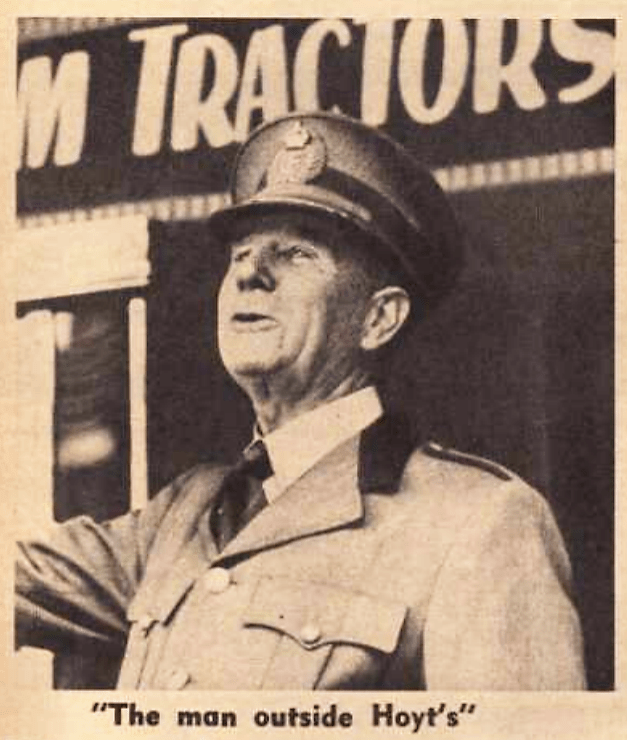
Australia, 1935—a person with extensive knowledge—originally the announcer outside Hoyt’s Theatre in Melbourne, Victoria, who wore a most elaborate uniform
USA, 1939 in The Grapes of Wrath, by John Steinbeck—a piece of homespun philosophy meaning that a man must do what he feels needs to be done, even if it is dangerous or undesirable


 word histories