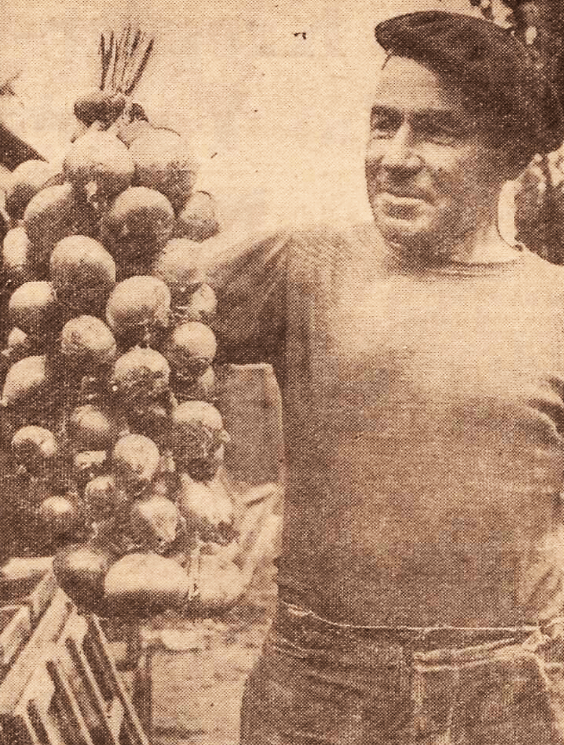
UK, 1877—an onion-seller from Brittany who sold onions door-to-door around the coasts of Britain—used with modifying word, ‘Johnny’ designates a person of the type, profession, etc., specified
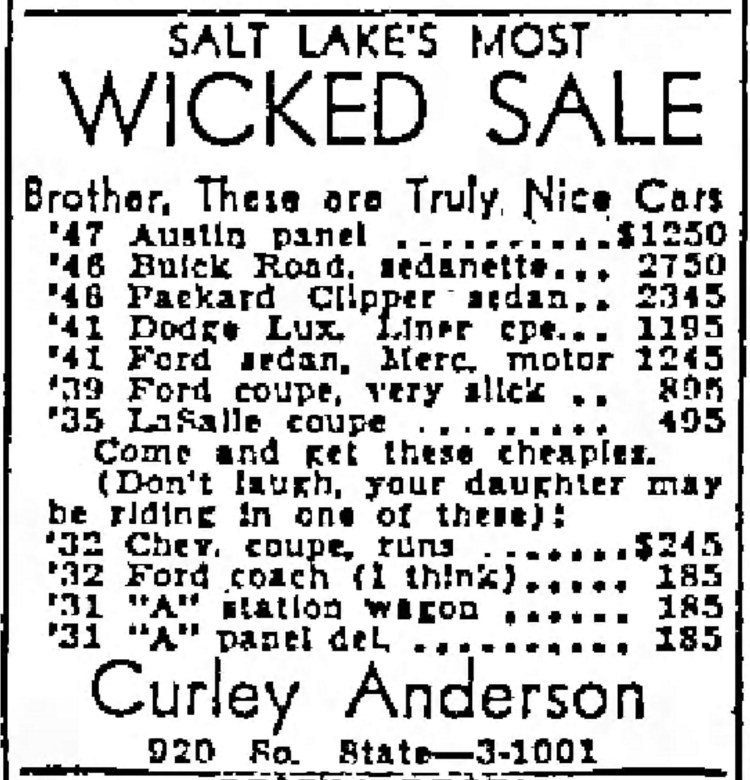
USA, 1938: painted by teenagers on the dilapidated old cars they drove—Australia, 1948: painted on cars, too, but, apparently, not specifically by teenagers—later, on bumper stickers
the three traditional interests of the stereotypical New-Zealand man—but also applied to both sexes—1962 or 1963 as the title and in the lyrics of a song by the New-Zealand singer-songwriter Rod Derrett
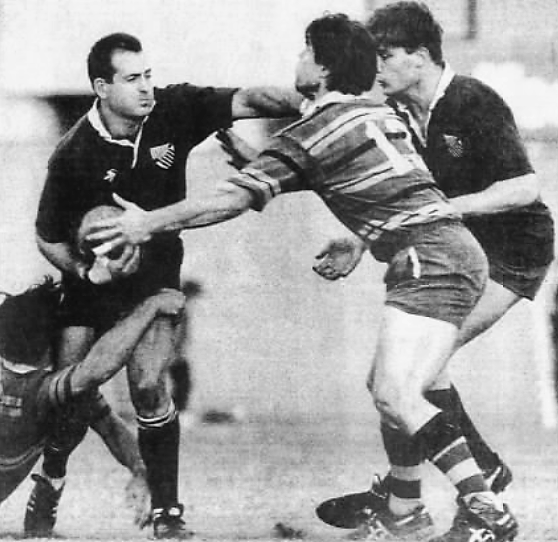
Australia, 1914—the straight-arm fend-off—from advertisements for J. C. Hutton Pty Ltd, depicting a man putting a hand in another man’s face and saying “Don’t argue—Hutton’s bacon is the best”
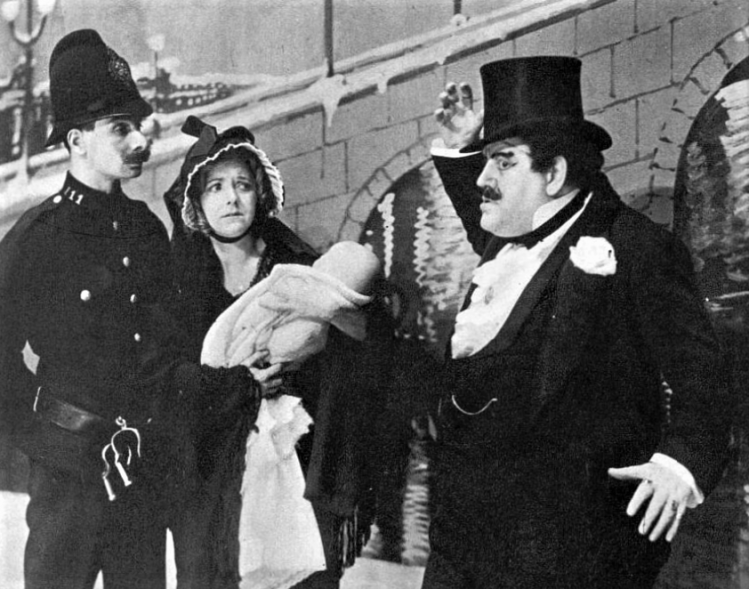
used to characterise melodrama—from the words said over her dead child by Lady Isabel in East Lynne (1874), T. A. Palmer’s stage play adapted from the 1861 novel by the English author Mrs. Henry Wood (Ellen Price)
USA, 1876: from beginning to end, completely, exhaustively—literal meaning, 1852: all the successive parts of a meal, from soup at the beginning to nuts at the end
USA, 1883—exclamation of surprise at seeing something or somebody unexpected—alludes to a hunter who will lament seeing all sorts of game when he goes out into the woods and fields without his gun
USA, 1925—With, of course, a pun on ‘pee’, meaning ‘to urinate’, the jocular phrase ‘silent like (the) ‘p’ in swimming’ is used when exposing a difficulty in pronunciation.
According to superstition, if on waking on the first morning of a month one mutters to oneself ‘(white) rabbit(s)’ three times before speaking to anyone, then one will have good luck during the whole month.
UK, 18th century—addressed to one who stands between the speaker and the light of a window, a lamp, a candle or a fire, or, more generally, to one who obstructs the speaker’s view

 word histories