television programmes that are gratuitously shocking or sensational, or of poor quality—from their eliciting in the viewer a similar horrified fascination to that experienced by people watching scenes of cars crashing
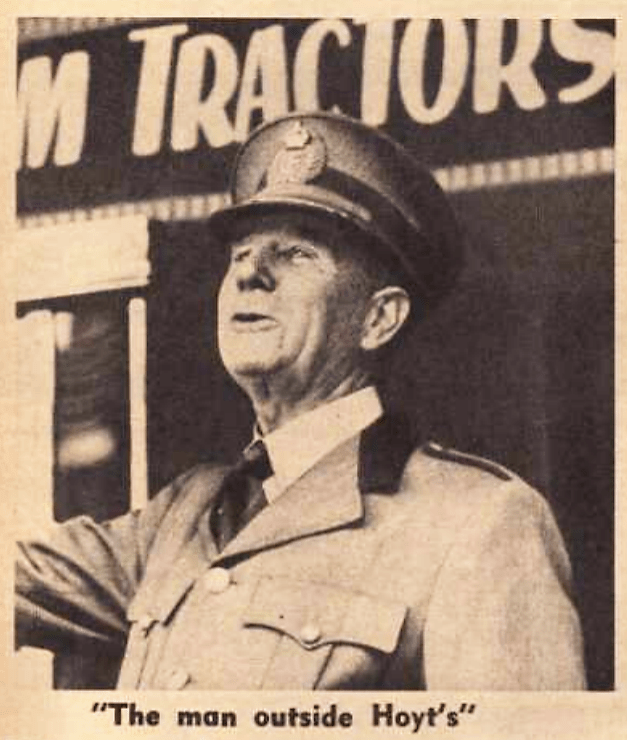
Australia, 1935—a person with extensive knowledge—originally the announcer outside Hoyt’s Theatre in Melbourne, Victoria, who wore a most elaborate uniform
USA, 1939 in The Grapes of Wrath, by John Steinbeck—a piece of homespun philosophy meaning that a man must do what he feels needs to be done, even if it is dangerous or undesirable
France, 1891; UK, 1908—a sandwich filled with ham and cheese, and toasted or grilled—from ‘croque’, conjugated form of the verb ‘croquer’, to bite, to crunch, and the noun ‘monsieur’ (the reason that this noun was chosen is unknown)
UK, 1909: expresses the speaker’s good faith—literally, in Scouting for Boys (1908), by Robert Baden-Powell: the honour on which a Scout promises to obey the Scout Law
U.S.—used in reference to several muddy rivers, and, occasionally, to other waterbodies—originally (1890 to 1902) used in reference to the Missouri River
Australia, 1930—describes a person who is reluctant, or very slow, to pay for something—the image is of a snake biting the person when they put their hand in their pocket to get at their money
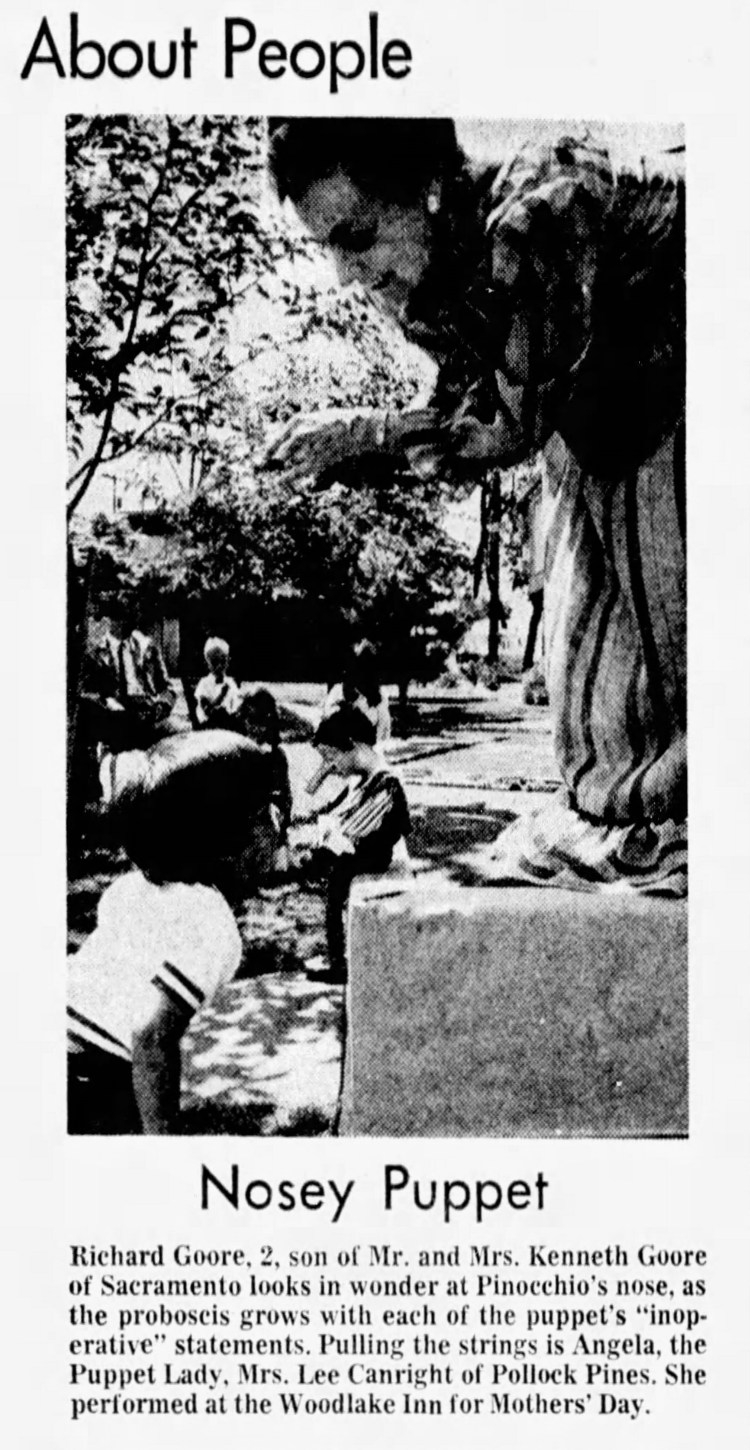
USA, 1973—a euphemism for a lie—coined on 17th June 1973, during the Watergate scandal, by Ronald Lewis Ziegler, President Richard Nixon’s Press Secretary
UK, 1968—British and Australian: expresses indifference towards, or rejection of, a suggestion—from ‘Umpa, Umpa, Stick It Up Your Jumper’, a song recorded in 1935 by The Two Leslies (Leslie Sarony and Leslie Holmes)
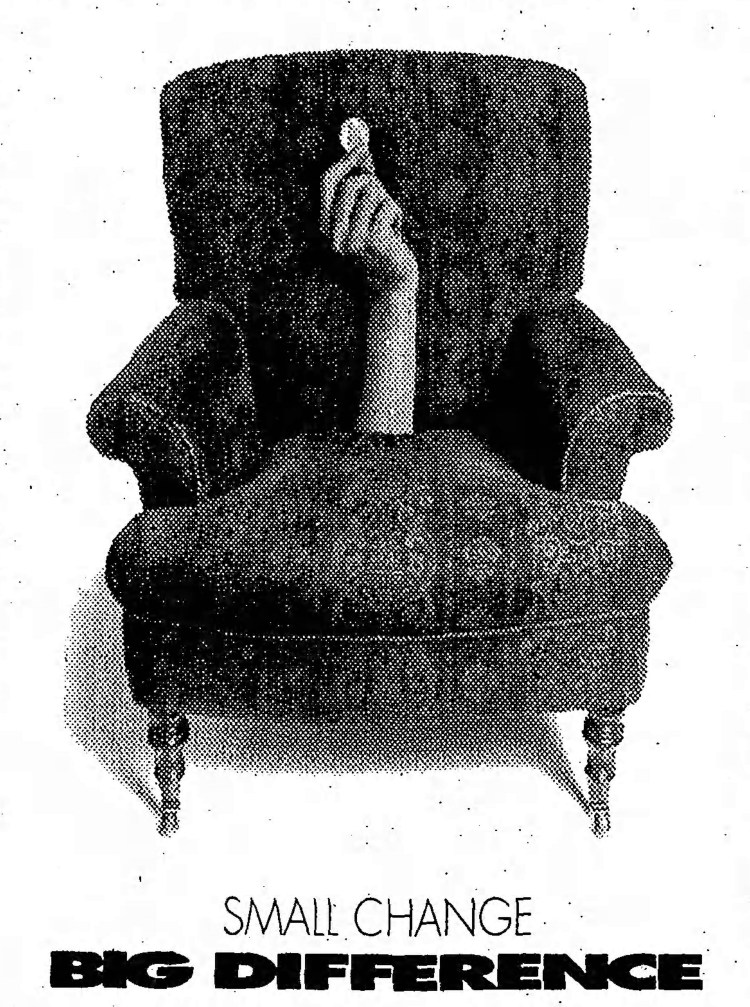
UK and Ireland—the small change that has slipped down between the cushions and the back, or the arms, of a sofa—also used figuratively: public funds that are ‘miraculously’ found; permanent end; wasted money

 word histories