‘nothingburger’: a person or thing of no importance, value or substance—‘mouseburger’: a young woman of unexceptional appearance and talents, regarded as timid, dowdy or mousy—from the use of ‘burger’ as the second element in compounds denoting types of hamburger
UK, 1710—in ease and luxury—refers to the use of clover as fodder, as explained by Samuel Johnson in A Dictionary of the English Language (1755): “To live in Clover, is to live luxuriously; clover being extremely delicious and fattening to cattle.”
‘four-leaved clover’: a rare form of clover leaf having four leaflets, regarded as a lucky charm or sign of good fortune—superstition mentioned as early as 1620—sometimes associated with ‘even ash’, a rare form of ash leaf having an even number of leaflets
denotes effrontery—‘front’ denotes self-assurance, but the word that follows ‘than’ puns on ‘front’ in the sense of the façade of a building, the part of a garment covering a person’s front, etc.
the nickname that the Venetian opera audience gave to Joan Sutherland when she sang Handel’s Alcina at the Fenice Theatre on 21 February 1960—Italian ‘è stupenda’ translates as ‘she is stupendous’
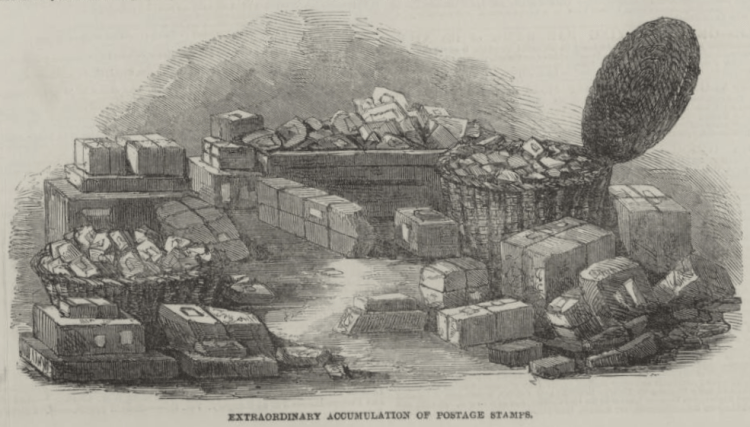
UK, 1883—The word ‘million’ in itself has something magic about it, and the belief exists that a special reward awaits the person who collects a million bus tickets, or a million used postage stamps, etc.
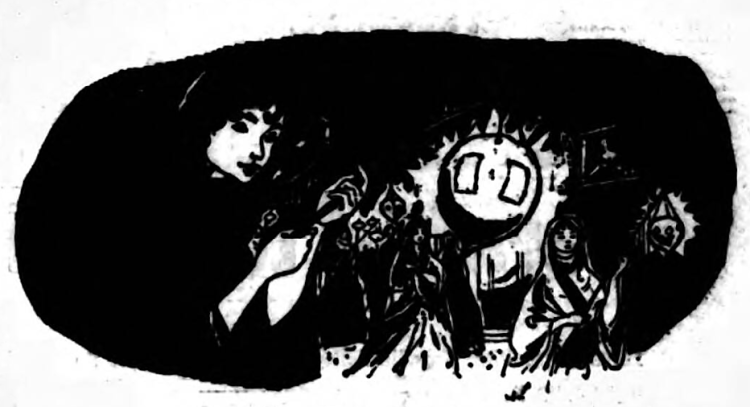
Somerset, England, 1931—‘punkie (lantern)’: a lantern made by setting a candle in a hollowed-out mangel-wurzel—‘punkie night’: a night, in late October, on which punkies are paraded—‘punkie’: perhaps an alteration of ‘pumpkin’
Australia, 1884—designates the adjective ‘bloody’ used as an intensifier—although ‘bloody’ is used as an intensifier in other countries, its widespread use in Australia is seen as characteristic of this country
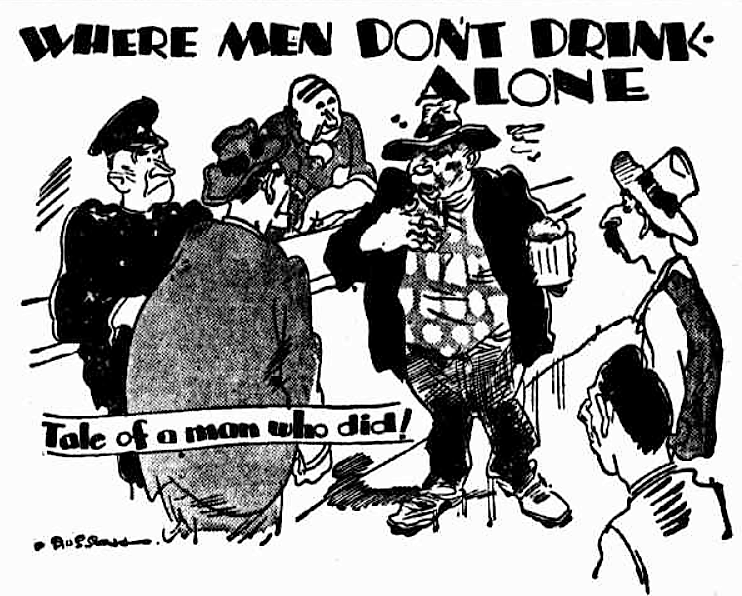
Australia, 1898—to drink by oneself in a public house, which is regarded as an unsociable attitude—the image is that the solitary drinker has no other companions than the flies
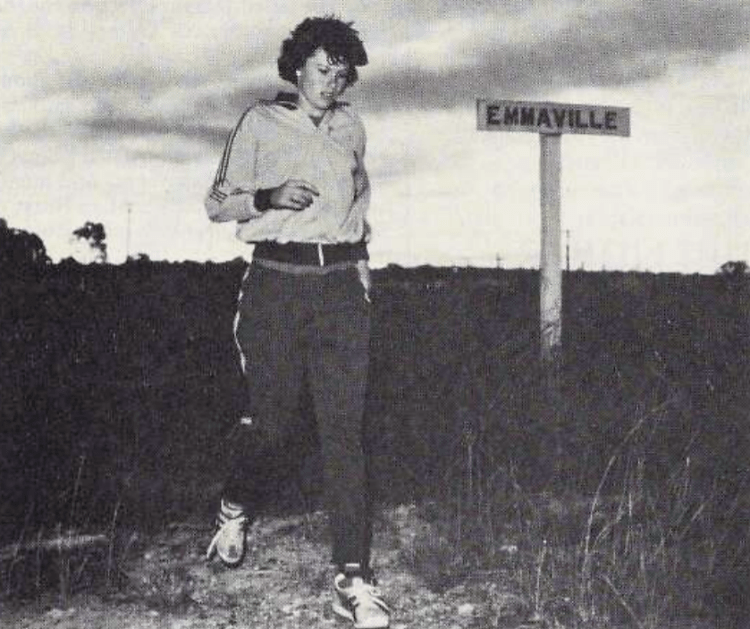
Australia, 1976—nickname of Australian sprinter Debbie Wells (born 1961), who is from Emmaville, in New South Wales—alludes jocularly to ‘express (train)’, denoting a train that stops at few stations and travels quickly



 word histories