notes on the phrase ‘a bastard on Father’s Day’
Australia—used to express unluckiness or unhappiness—first recorded in The Four-legged Lottery (1958), by Australian novelist Frank Hardy, who later often reused it
Read More
“ad fontes!”
Australia—used to express unluckiness or unhappiness—first recorded in The Four-legged Lottery (1958), by Australian novelist Frank Hardy, who later often reused it
Read MoreIrish English, 1834—extremely cold, literally (i.e., with reference to low temperatures) and figuratively (i.e., with reference to lack of feeling, of emotion)
Read MoreUK 1945: ‘as lucky as the pox doctor’s clerk’: very lucky—UK 1954, ‘to look like a pox doctor’s clerk’, Australia 1957, ‘done up like a pox doctor’s clerk’: dressed nattily but in bad taste
Read More
Australia, 1946—to return to one’s profession after retirement; of a singer or other performer: to make frequent comebacks—from the repeated farewell performances given by Australian opera singer Dame Nellie Melba
Read MoreAustralia, 1902—to be extremely weak or incompetent at fighting; to be completely ineffectual or inept—‘to fight one’s way out of a paper bag’: to accomplish a very easy task
Read More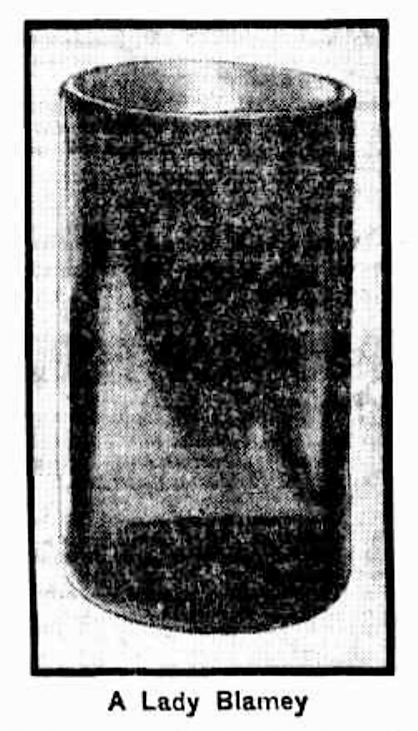
Australia, 1941—an improvised drinking glass made by slicing the top off a bottle—named after Lady Olga Blamey, wife of General Thomas Blamey
Read More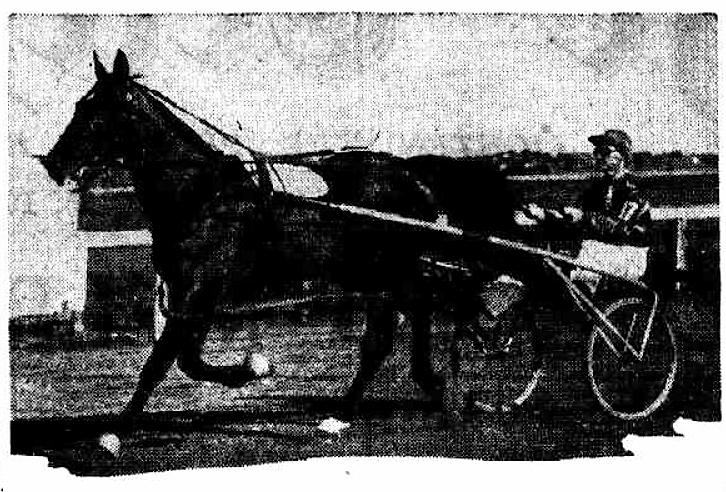
Australia, 1949—at a disadvantage or delayed—refers to Walla Walla, a champion pacer of the 1930s which conceded its rivals starts of up to 288 yards
Read MoreThis phrase means ‘utterly useless’. The earliest occurrences that I have found are British English (from 1981 onwards) and Australian English (from 1983 onwards).
Read MoreAustralia, 1967—Redfern: a train station positioned one stop before Sydney Central Station—British-English regional variations include, in Newcastle upon Tyne: ‘to get out at Gateshead’
Read MoreUSA, 1975—to be naive, ignorant or gullible—the image is of a country person who has just arrived in town on a turnip truck
Read More word histories