‘without a bone in the truck’: meaning and early occurrences
Australia, 1891—used to comment on the lack of work done—of unknown origin; may have originated in butchering, i.e., the preparation and sale of meat
Read More
“ad fontes!”
Australia, 1891—used to comment on the lack of work done—of unknown origin; may have originated in butchering, i.e., the preparation and sale of meat
Read MoreUSA, 1933—usually followed by an incongruous supposition—an allegation of incompetence addressed to the driver of a motor car by another motorist, or by a cyclist or a pedestrian
Read MoreAustralia and U.S.A, 1944—purportedly applied by the British and the Australians to the U.S. soldiers stationed in their respective countries during World War II—British self-deprecating retort: ‘underpaid, underdressed, undersexed and under Eisenhower’
Read More
applied to a rich person complaining of having insufficient means of existence; to a person who is merely free from financial worry—USA, 1936—coined humorously after ‘not to have two pennies to rub together’
Read MoreUK, 1938—old-fashioned informal British-English adjective meaning ‘in good order’, ‘fine’—origin obscure: perhaps from Hindi ‘ṭhīk hai’ (‘all right’) or from ‘the ticket’ (‘the correct thing’); or it may simply be a purely fanciful formation
Read More
reluctance to attend school or work, or a reduction in working efficiency, experienced on a Monday morning—UK and USA, 1908; Australia, 1910—the suffix ‘-itis’ is applied to a state of mind or tendency fancifully regarded as a disease
Read More
derisive appellation given to Australian Rules (football), because the ball is often kicked high into the air, requiring players to leap and catch it—Australia, 1945—slang of the Australian armed forces during World War II
Read More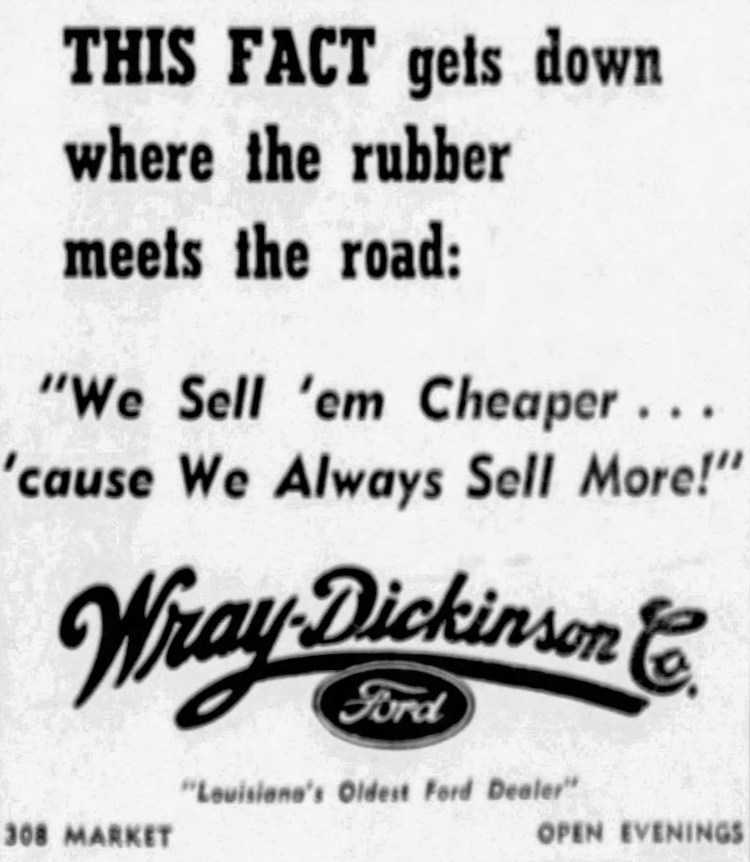
USA, 1956—where the important facts or realities lie; where theory is put into practice—originated in the jargon of the advertising business, in which ‘let’s get down (to) where the rubber meets the road’ meant ‘how much is it going to cost?’
Read Morestate of South Australia, 1952—a traffic warden—from the fact that South Australian traffic wardens licked the adhesive parking tickets in order to stick them to the windscreens—hence also the verb ‘sticker-lick’
Read MoreUK, 1835—said to a person that the speaker does not wish to see again—refers to Bath, a spa in south-western England, where one goes to take the waters
Read More word histories