‘the nineteenth hole’: meaning and early occurrences
UK, 1890—USA, 1899—the humorous phrase ‘the nineteenth hole’ denotes the bar room in a golf clubhouse, as reached at the end of a standard round of eighteen holes
Read More
“ad fontes!”
UK, 1890—USA, 1899—the humorous phrase ‘the nineteenth hole’ denotes the bar room in a golf clubhouse, as reached at the end of a standard round of eighteen holes
Read MoreUSA, 1936—the facts about sexual reproduction, especially as explained to a child—when this phrase appeared, ‘birds’ and ‘bees’ had long been commonly paired in literary allusions
Read More1980s—to become wildly or explosively angry; to become highly excited or enthusiastic; to intensify rapidly and especially alarmingly—refers to the failure of a guided missile’s guidance system (1966)
Read MoreUK, 1828—sleep, especially taken before midnight, assumed to be necessary to keep one looking healthy and attractive; any extra sleep—sleep taken before midnight is popularly thought to be most restful
Read MoreUSA, 1953—value for money, return on an investment—originally used of military spending on nuclear weapons—‘bang’ denotes a nuclear explosion, ‘buck’ denotes a dollar
Read MoreUSA—‘asphalt jungle’ 1920—‘concrete jungle’ 1924—designate a city or urban area which has a high density of large, unattractive, modern buildings and is perceived as an unpleasant living environment
Read MoreUK, 1847—obviously not present where one/it should be—popularised in 1859 by the British statesman John Russell—alludes to the Annals, Book III, 76, by the Roman historian Tacitus
Read MoreUSA, 1855—used of a situation in which it is difficult to distinguish cause and effect—refers to the traditional problem of which came first, the chicken (to lay the egg) or the egg (to produce the chicken)
Read More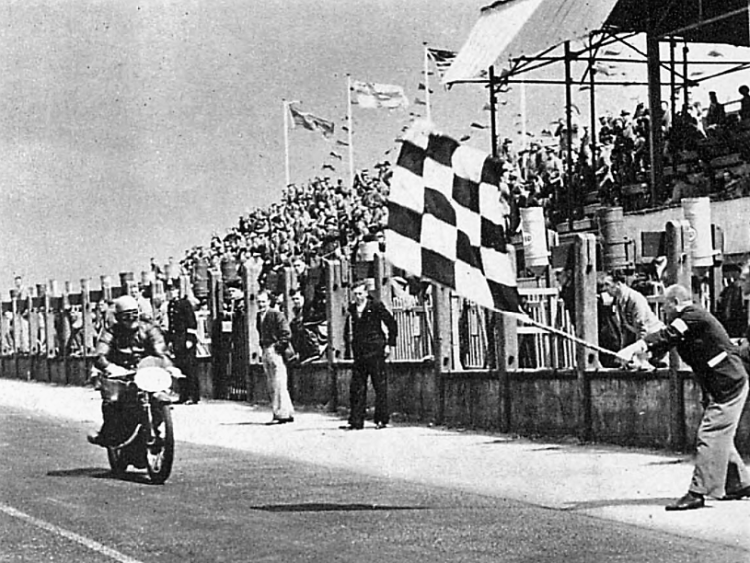
USA, 1923—in motorsports: to win a race—refers to ‘checkered flag’, denoting a flag with a black-and-white checkered pattern, displayed to drivers at the end of a race
Read More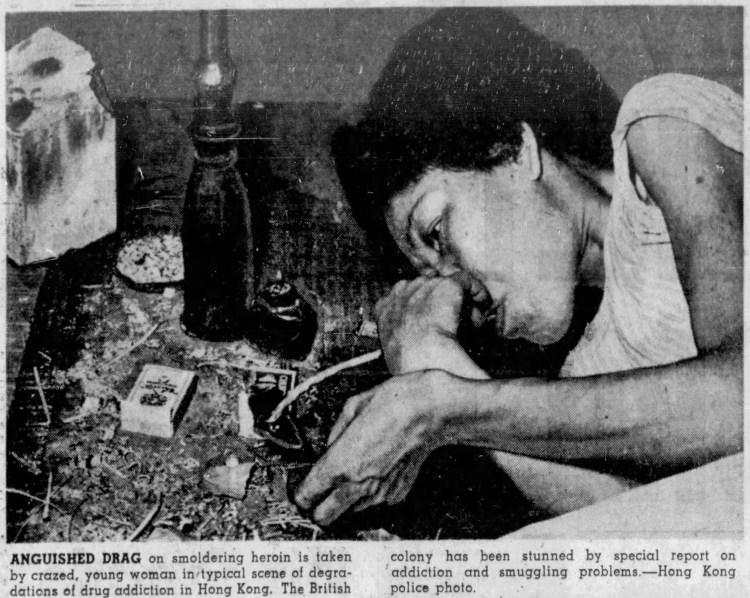
to take heroin by heating it and inhaling the fumes, which form a pattern resembling the tail of a dragon—originated in Hong Kong in the 1950s as a translation of Cantonese slang ‘chui lung’, ‘dragon chasing’
Read More
