USA, 1904—refers to the supply of something to a place where it is not needed—in particular, ‘could sell refrigerators to the Eskimos’ is applied to an efficient salesman, and, by extension, to a persuasive person
means that, if one is unaware of an unpleasant fact or situation, one cannot be troubled by it—coined by the English poet Thomas Gray in An Ode on a Distant Prospect of Eton College, first published in 1747
be totally focused on your objective—USA — already well established in 1932—originated in the image of God’s watchful eye upon the sparrow, with reference to the gospel of Matthew, 10:29-32
USA, 1931—originated in sporting parlance—emphasises the meaning of the adjective it immediately follows—that adjective usually is ‘hot’ (used literally or figuratively) or describes agitation, erraticism
UK, 1918—a malediction, typically uttered as a parting shot after a quarrel—seems to have originated as one child’s threat to another—the reason the word ‘rabbit’ was chosen is unknown
USA, 1979—the children’s ability to pressurise their parents into buying something, or doing something for them, by continuing to ask for it until their parents agree to do it—originally referred to television advertising targeting children
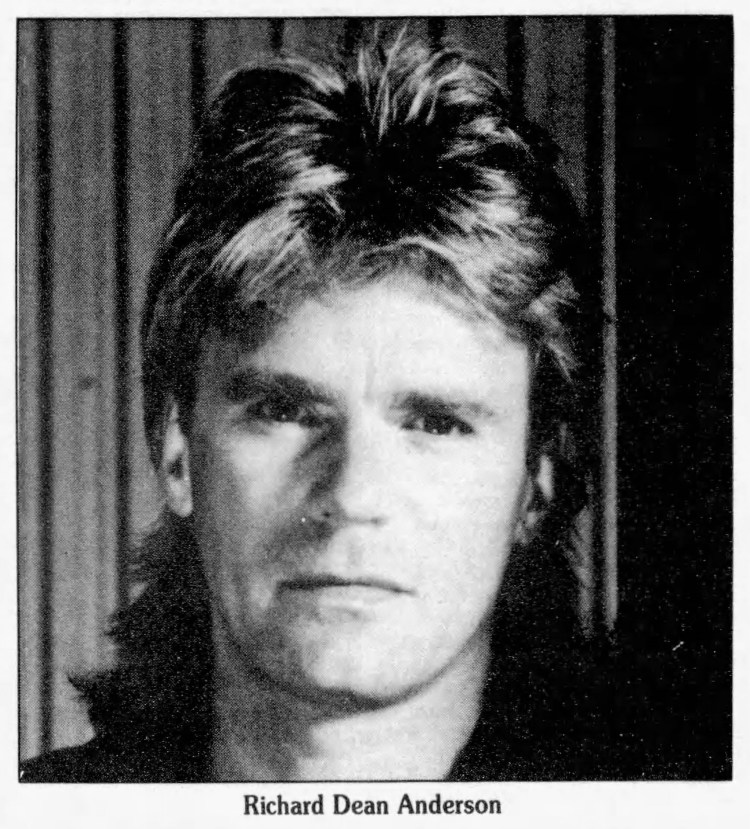
USA, 1992—to make or repair (something) in an improvised or inventive way, making use of whatever items are at hand—also used figuratively—refers to Angus MacGyver, the lead character in the U.S. television series MacGyver (1985-92)
UK—1879 “where the monkey put the shells”—1892 “where the monkey put the nuts”—with reference to the anus, this slang phrase expresses contemptuous rejection

 word histories