1546—originally designated the period of time following a wedding, and arose from the comparison of the mutual affection of newly-married persons to the changing moon, which is no sooner full than it begins to wane
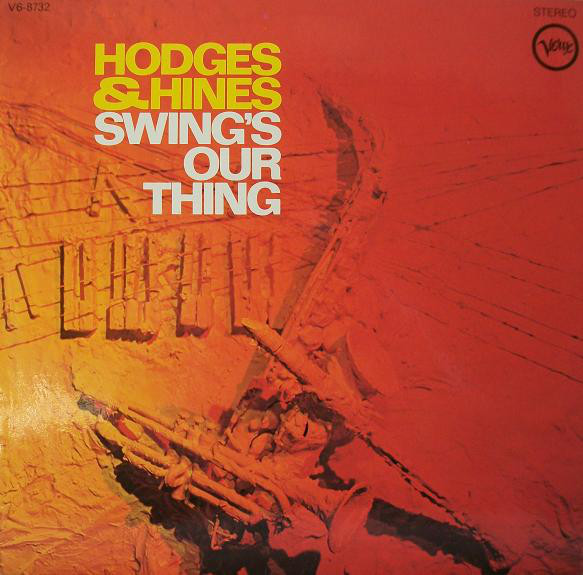
USA, 1967—emphatic negative phrase meaning ‘well, hardly’ or ‘no, that’s impossible’—used as the title of a jazz piece composed by Johnny Hodges—said to be a folk phrase that he had heard “out West”
USA, 1976—the outcome of a situation cannot be assumed—may allude to the stereotype of a large female soprano singing the final aria of an opera—from ‘church ain’t out ’till the fat lady sings’ (1976), itself from ‘church ain’t out until the singing is over’ (1872)
colloquial, Australia, 1910—‘the night’s (only) a pup’, or ‘the day’s (only) a pup’, means the night, or the day, is young—refers to ‘pup’ in the sense of a young dog
Australia, 1951—used of someone who has departed and left no indication of their present whereabouts—purportedly from the story of one Malley, who was told by his boss to hold a cow; on the boss’s return, the cow had disappeared, and Malley said “She’s a goner!”
Australia, 1960—very fit and well, in robust health—the image is of a bull strengthened by his living in one of the semi-desert areas of Australia in which the principal vegetation is mallee, i.e., low-growing bushy eucalyptus
USA, 1872—the first clause refers to accurate calculations, the second punningly refers to the manipulation of those calculations—based on the figure called chiasmus, i.e., in which the order of words in the first clause is inverted in the second
a representation of the letter A in scarlet cloth which Hester Prynne is condemned to wear in The Scarlet Letter (1850), by Nathaniel Hawthorne—soon came to be used figuratively in the sense of a stigma, a mark of infamy
This phrase is applied to someone who is very strong and resilient in the face of hardship or pain. It originated in the USA in 1918; it has been used in British English since 1933.

 word histories