‘as Australian as meat pie’: meaning and origin

Australia, 1966—typically Australian in character—alteration of the phrase ‘as American as apple pie’, with reference to the prominence of meat pie in Australian diet
Read More
“ad fontes!”
Australia, 1966—typically Australian in character—alteration of the phrase ‘as American as apple pie’, with reference to the prominence of meat pie in Australian diet
Read MoreAustralia, 1918—dazed and uncomprehending—from the image of a mullet that has been stunned
Read MoreAustralia, 1982—a stretch of Oxford Street, in Sydney, which is the city’s main gay district—refers to the use of Vaseline to ease anal intercourse, and based on the alliteration in /v/
Read MoreAustralia, 1876—a person drinking alone at a bar; a drink taken alone—origin unknown—perhaps related to ‘Johnny Warder’, denoting “an idle drunkard who hangs about pub corners looking for a drink”
Read MoreUK, 1928—of a public-house: very basic and lacking in comforts—refers to the former practice of covering the floor of a public-house with sawdust into which customers spat
Read More1914—the colloquial British-English phrase ‘to pop one’s clogs’ means ‘to die’—while ‘clog’ designates a shoe with a thick wooden sole, the acceptation of the verb ‘to pop’ is obscure
Read MoreUK, 1844—extreme meanness never made anyone better off—compare Book of Proverbs, 11:24: “There is one who scatters, yet increases more; and there is one who withholds more than is right, but it leads to poverty.”
Read More19th century—refer to two handkerchiefs, one used as a clothing accessory, the other for blowing the nose—hence, figuratively ‘for display rather than for use’ and ‘one for display and one for use’
Read More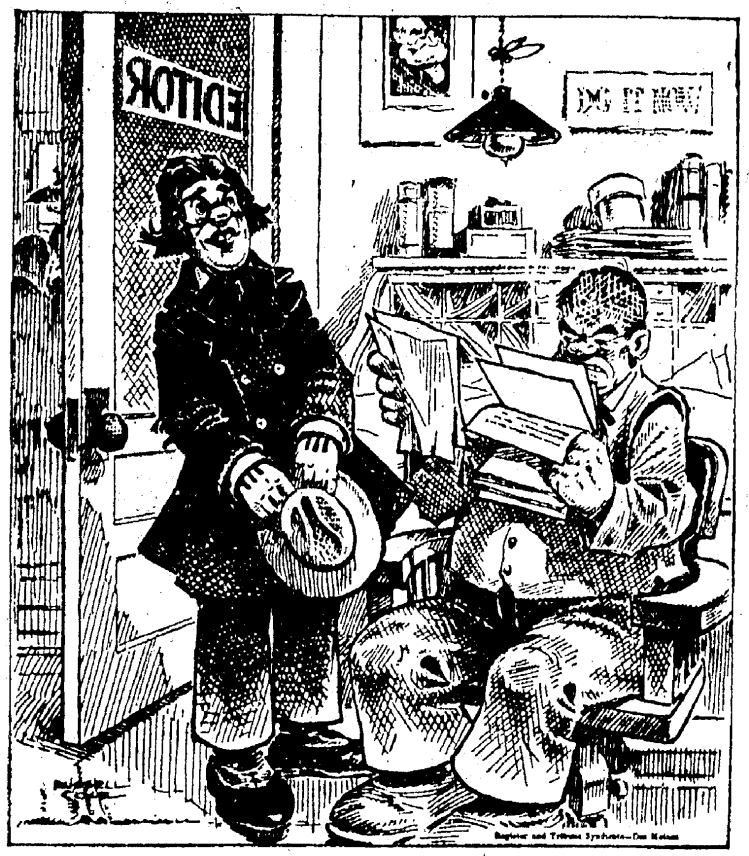
USA, 1905—a situation that is likely to lead to disaster or misfortune, especially because of negligence or neglect; someone who behaves in a way that is likely to cause trouble
Read More1546—originally designated the period of time following a wedding, and arose from the comparison of the mutual affection of newly-married persons to the changing moon, which is no sooner full than it begins to wane
Read More word histories