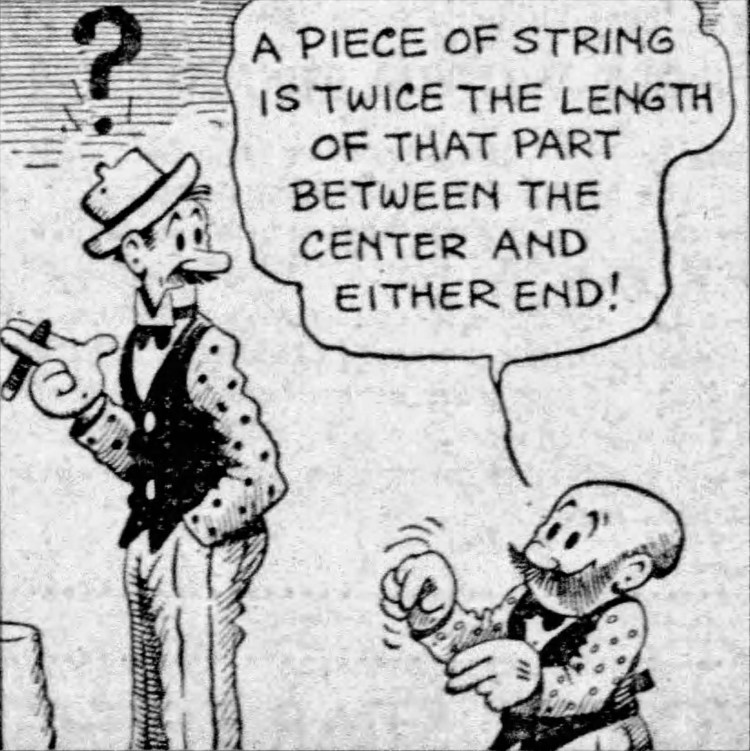
USA, 1885—a response to a question that cannot be answered precisely, although a precise answer seems to be expected—various jocular replies have been made up, such as ‘twice the length from the middle to the end
1885—a person who smokes continually, typically by lighting a cigarette from the stub of the last one smoked—loan translation from German ‘Kettenraucher’—originally referred to Otto von Bismarck
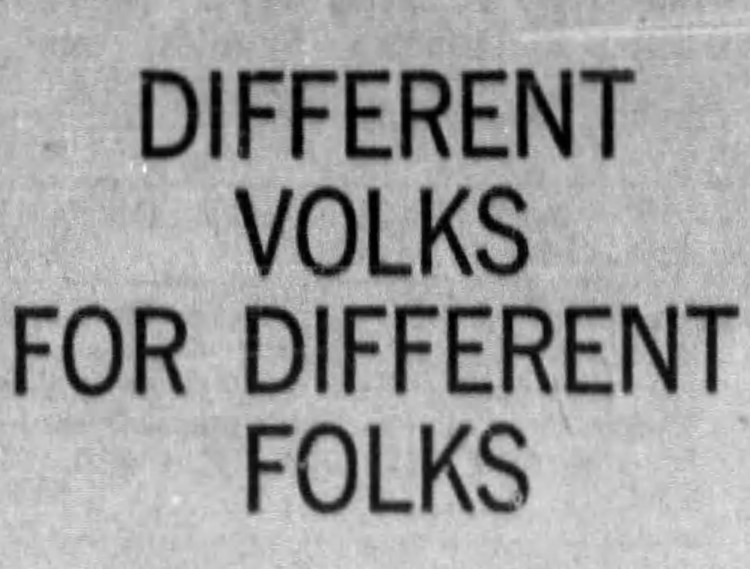
African-American, 1966—different things please or satisfy different people—‘stroke’ denotes a comforting gesture of approval or congratulation, and, by extension, a flattering or friendly remark
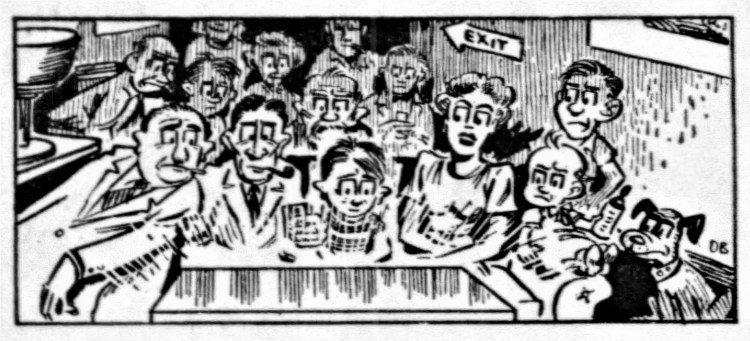
‘square eyes’ 1955: eyes fancifully imagined as made square by habitual or excessive television viewing; a person characterised as watching too much television—‘square-eyed’ 1953: affected by, or given to, excessive viewing of television
1928 in Clara Butt: Her Life-Story, by H. W. Ponder—“Sing ’em muck! It’s all they can understand!”: advice given by Australian soprano Nellie Melba to English contralto Clara Butt, who was about to undertake a tour of Australia
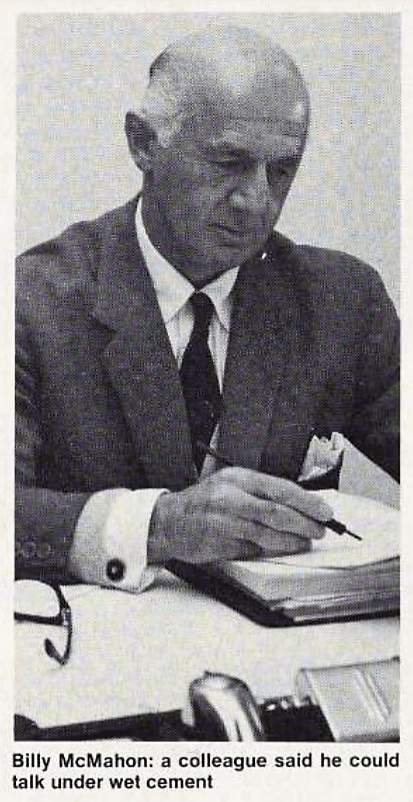
Australia—to have the gift of the gab—‘to be able to talk under water’ (1951)—‘to be able to talk under wet cement’ (1978)—‘to be able to talk under wet concrete’ (1980)
USA, 1927—a conventional film ending, regarded as sentimental or simplistic, and often featuring an improbably positive outcome—by extension: an improbably positive outcome to a real-life situation
Australia, 1981—the ideology of the Australian Labor Party’s left wing, “for whom the ultimate test of a policy is the feeling of personal virtuousness to be derived from its espousal”—Labor politician James McClelland claimed to have coined this phrase



 word histories