‘cahoot’: meaning and early occurrences
southern United States of America, 1827—used almost exclusively in the phrase ‘in cahoots’ (in early use ‘in cahoot’, ‘in cohoot’), meaning colluding or conspiring together secretly—origin unknown
Read More
“ad fontes!”
southern United States of America, 1827—used almost exclusively in the phrase ‘in cahoots’ (in early use ‘in cahoot’, ‘in cohoot’), meaning colluding or conspiring together secretly—origin unknown
Read MoreUK, 1854—to belong to, or to sympathise with, two opposite groups, factions, etc.—probably a loan translation from French ‘avoir un pied dans les deux camps’ (1843)
Read More1613—used hyperbolically of any impressive object, etc.—also applied ironically to a self-satisfied or arrogant person—refers to the seven wonders of the world, i.e., the seven most spectacular man-made structures of the ancient world
Read More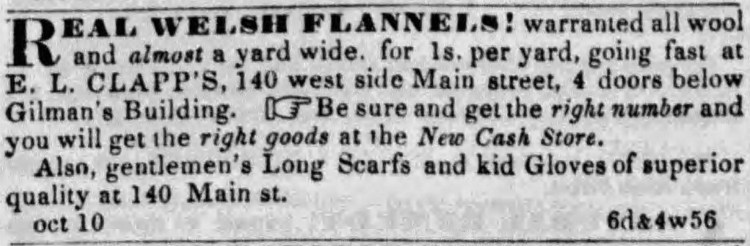
USA, 1865—of excellent quality; thoroughly sound or honourable—originally applied to cloth
Read MoreUSA, 1853—in a panic-stricken and unthinking manner—alludes to the phenomenon whereby a chicken can move about for a short time after decapitation, due to reflex activity of the nervous system
Read More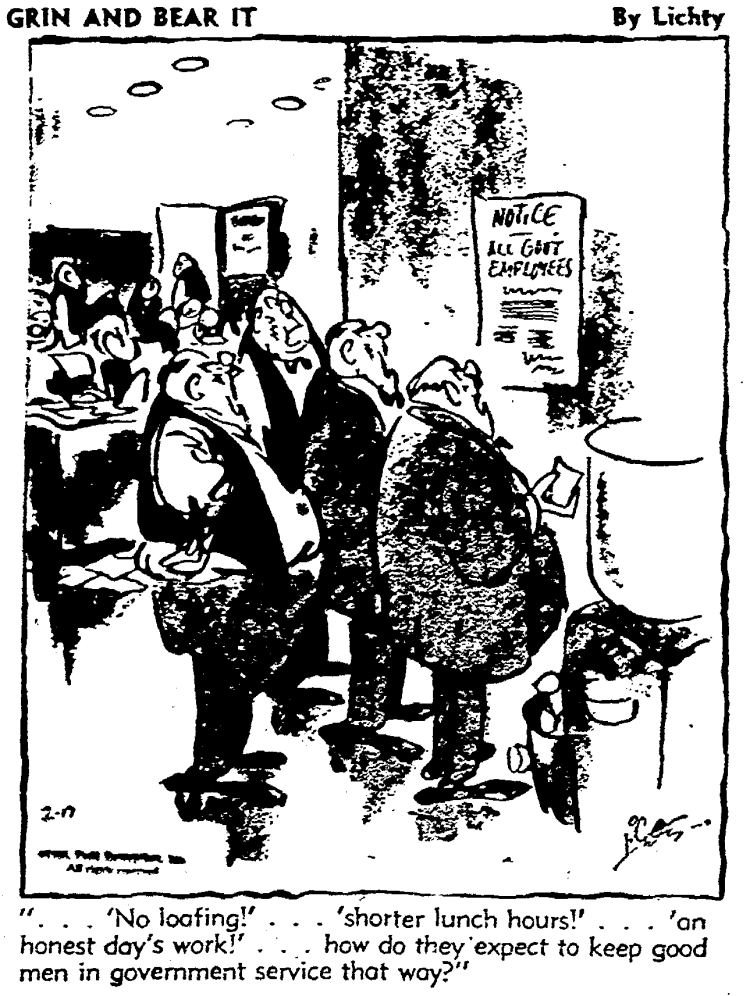
USA, 1950—a midday meal, with several martinis taken as aperitifs, enjoyed by businessmen, and/or politicians, and/or federal-government employees—especially in ‘two-martini lunch’ and ‘three-martini lunch’
Read MoreUK, 1710—in a situation in which any action one takes will have adverse consequences—‘cleft’, past participle of the verb ‘cleave’, means ‘split in two to a certain depth’—the image is of one being squeezed between the stick’s prongs
Read MoreUK, 1890—pregnant—refers to “the bulging puddinglike appearance of a pregnant woman”
Read More
UK, 1955—‘cobblers’, short for ‘cobbler’s (or cobblers’) awls’, is rhyming slang for ‘balls’, i.e., ‘testicles’, and figuratively ‘nonsense’, ‘rubbish’
Read MoreUSA, 1871—The phrase ‘a whale of a (good) time’ denotes a hugely enjoyable time, and alludes to the enormousness of whales.
Read More word histories