USA, 1898—a view as seen from below or from a humble position—refers to a view taken as from the standpoint of a worm, i.e. from ground-level—coined after ‘bird’s-eye view’ (1782), denoting a view of a landscape from above, such as is presented to the eye of a bird
‘to be destined or appropriate for a particular person’—originated during the First World War as ‘to have a person’s name and number on it’, and meant, of a bullet, etc., ‘to be destined to hit a particular person’
Canada and UK, 1978—to publicly disclose perceived wrongdoing or failure on the part of a person or institution; to expose private behaviour to public censure—earlier longer phrases include ‘blame’
UK, 1890—used to indicate that the person or persons guilty of a misdemeanour will not be named, in order to spare them recrimination—‘pack drill’: a military punishment involving a lengthy period of marching up and down carrying full equipment
USA, 1838—the place or area where someone lives—originally: a narrow stretch of wood; by extension: a settlement in wooded or remote country—formerly also ‘neck of timber’
UK and Ireland—used of someone who makes a mistake because of poor eyesight—refers to the British optical retail chain Specsavers Optical Group Ltd, in particular to its advertising slogan, ‘should’ve gone to Specsavers’
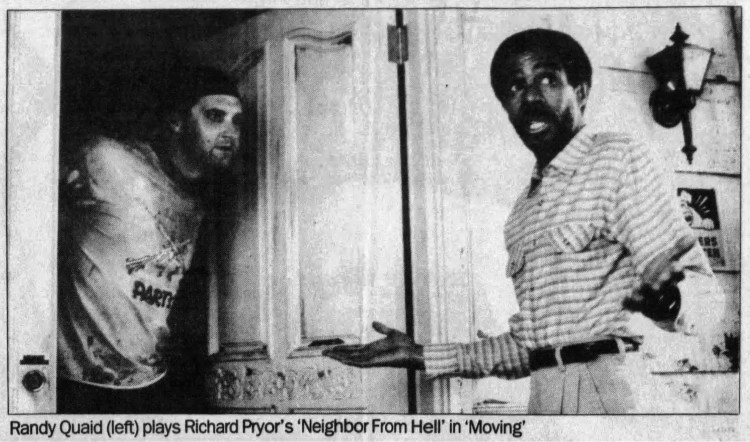
UK, 1993—USA, 1987—the words ‘—— from hell’ are suffixed to nouns often referring to everyday life, such as ‘holidays’ and ‘neighbour(s)’, to make phrases denoting an exceptionally unpleasant or bad example or instance of ‘——’
dismissal from employment—UK, 1882, as ‘the noble order of the boot’—‘the boot’ refers to kicking somebody out—the phrase puns on two acceptations of ‘order’: an authoritative command and an institution founded for the purpose of honouring meritorious conduct



 word histories