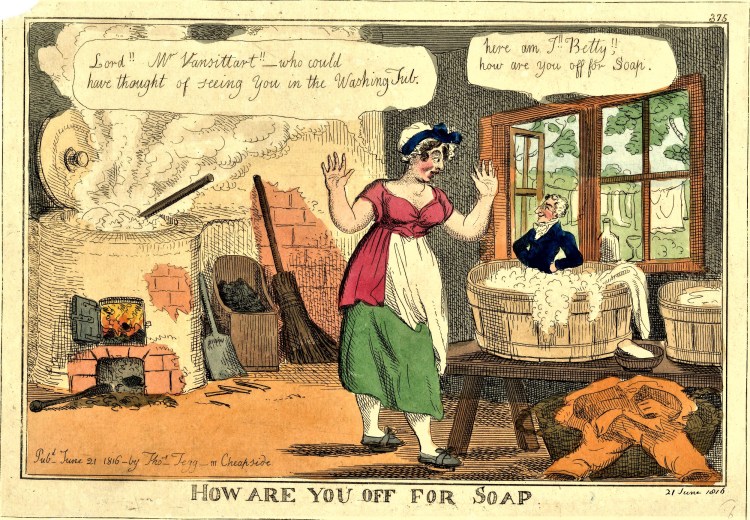
UK, 1816—a meaningless bantering phrase—originated in a print published in June, satirising the fact that a bill on additional taxation on soap had been brought in unobtrusively in May by the Chancellor of the Exchequer
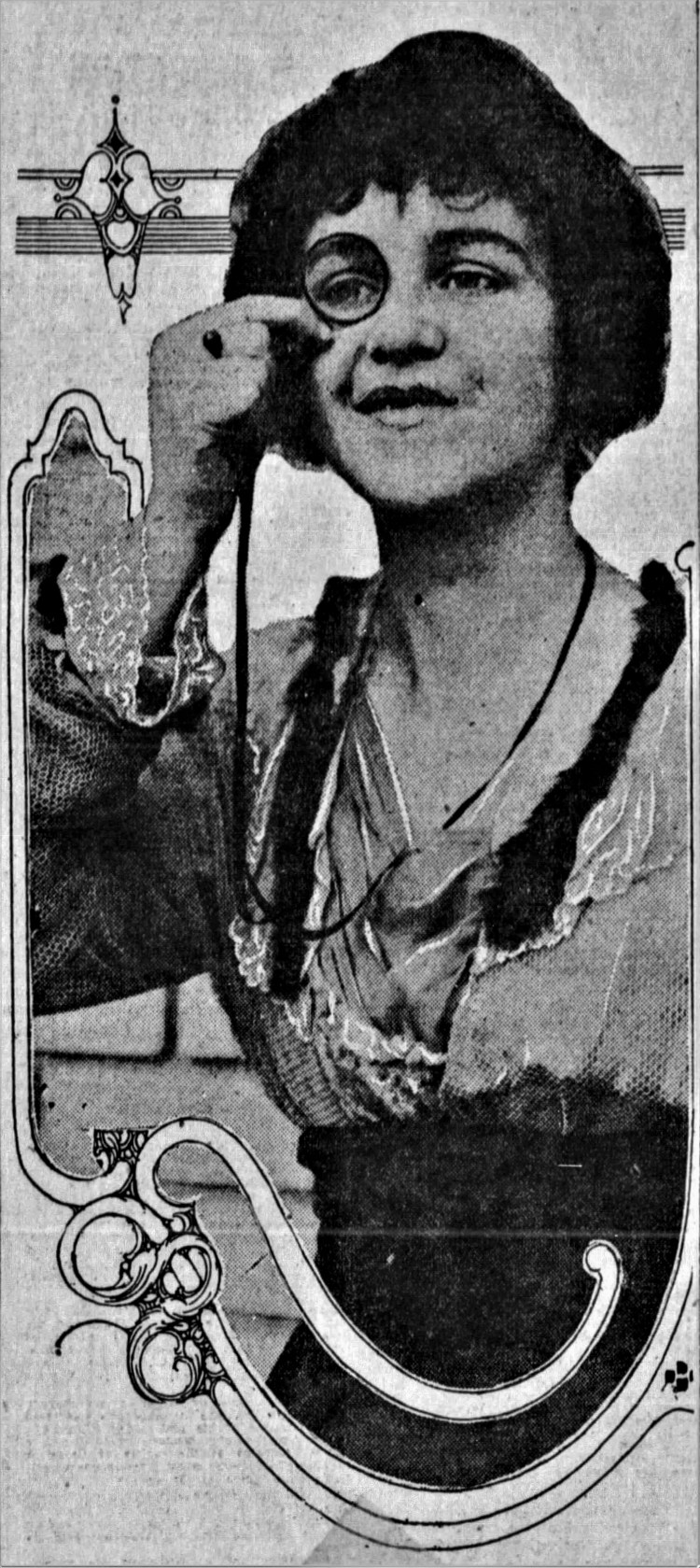
UK, 1897—‘Piccadilly window’: a monocle—hence ‘Piccadilly-windowed’: monocled—alludes to ‘Piccadilly’, the name of a street and of a circus (i.e., a rounded open space) in London
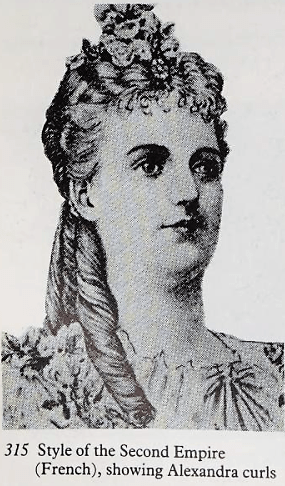
UK, 1869—a limping gait affected by some members of fashionable society in imitation of Alexandra of Denmark, who developed a limp after contracting rheumatic fever in 1867—‘Alexandra’ was used to form compounds designating things popularised by, or associated with, Alexandra of Denmark, consort of Edward VII
USA—‘in mothballs’ (1892): in a state or period of inactivity, disuse, reserve, storage or postponement—‘out of mothballs’ (1905): back into activity, into use
UK, 1933—a jump made with a parachute—hence also the verbal noun ‘brolly-hopping’ and the verb ‘brolly-hop’—‘brolly’ (university slang, late 19th century): a clipped and altered form of ‘umbrella’
UK—2008 ‘fatberg’, after ‘iceberg’: a large mass of fat and waste material in a sewerage system—originally a large lump of congealed cooking fat washed up on a beach—2019 ‘concreteberg’, after ‘fatberg’: a large mass of concrete in a sewerage system, consisting of cement that has been poured down a drain
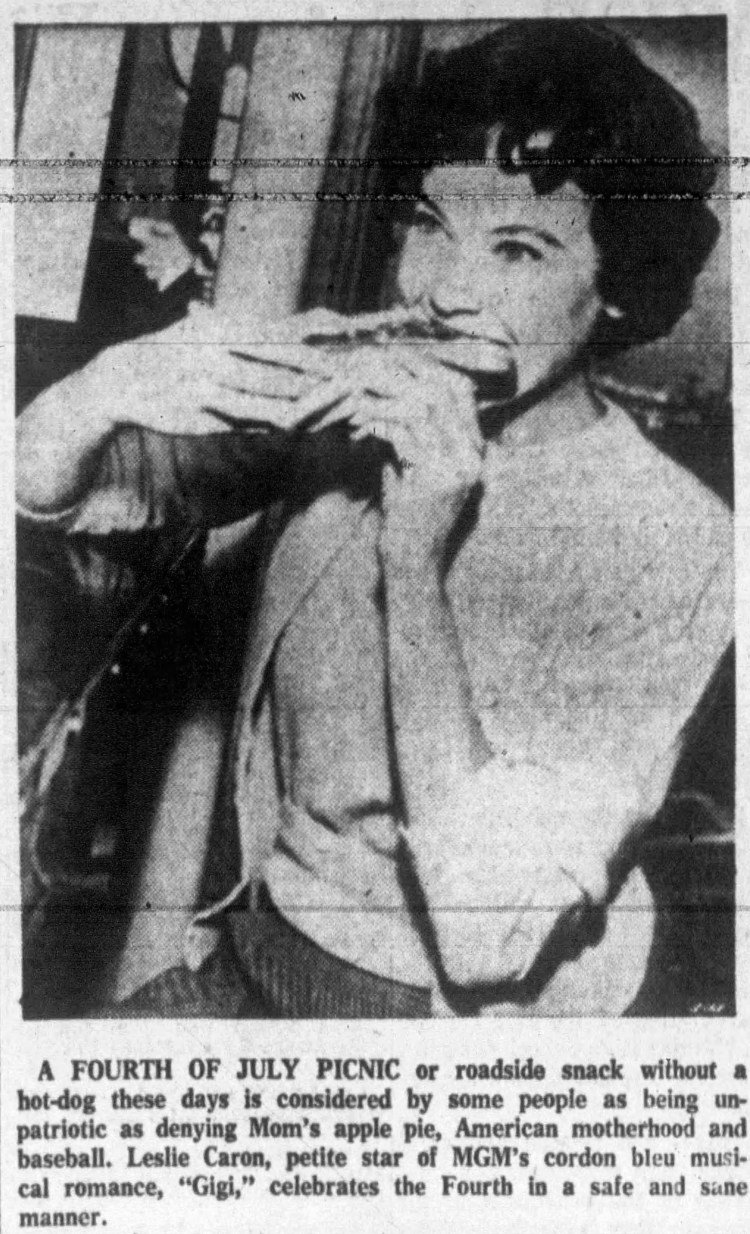
USA, 1956—denotes a core principle, value, belief, characteristic, aspect, etc., of the U.S.A. or its citizens—more generally, the nouns ‘motherhood’ and ‘apple pie’ have been juxtaposed in enumerations of things and persons exemplifying U.S. values
from 1924 onwards in stories by English author P. G. Wodehouse—a facetious appellation for a medical practitioner specialising in the diagnosis and treatment of mental illness—‘loony’: shortened form of ‘lunatic’
USA, 1936—psychiatrists or psychiatric workers—refers to the traditional use of white coats by medical personnel—often used in the stereotypical image of a mentally-disordered person being borne away to a psychiatric hospital by psychiatric workers
1762—(especially of an ancient style of writing): having alternate lines written from left to right and from right to left—from the Greek adverb ‘βουστροφηδόν’, meaning literally ‘as an ox turns (in ploughing)’, with allusion to the course of the plough in successive furrows


 word histories