‘jam butty’ (police patrol car)
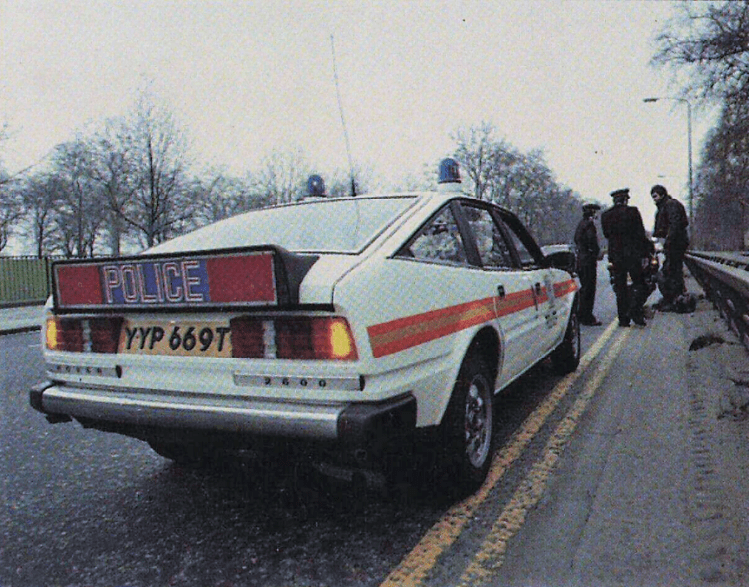
UK, 1971—‘jam butty’ (also ‘jam sandwich’): a colloquial appellation for a police patrol car having a red stripe painted on a white background
Read More
“ad fontes!”
UK, 1971—‘jam butty’ (also ‘jam sandwich’): a colloquial appellation for a police patrol car having a red stripe painted on a white background
Read More1992—the culture shock experienced by an individual (typically a Japanese) who, when visiting, or living in, Paris, realises that this city does not fulfil their idealised expectations—apparently a loan translation from Japanese ‘Pari shōkōgun’, coined by Japanese psychiatrist Hiroaki Ōta
Read More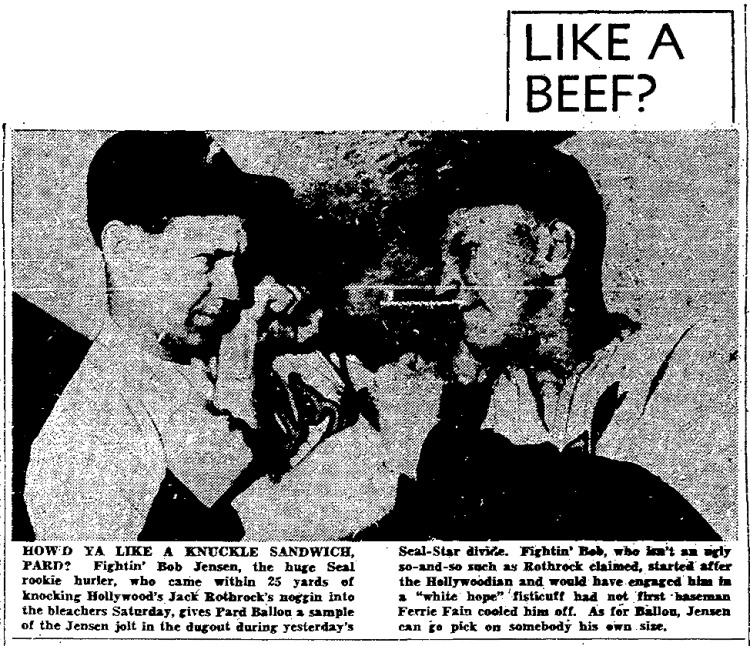
‘knuckle-sandwich’ USA, 1940—‘knuckle-butty’ UK, 1972—a punch to the mouth (or to the stomach)—the image is of a sandwich of knuckles being forced into the mouth (or into the stomach) of the person who is punched
Read MoreUK, 1870—a very hard ship’s biscuit—refers to the fact that these sea-biscuits were particularly carried by Liverpool merchant ships; likens the shape and hardness of these sea-biscuits to those of pantiles, i.e. roofing tiles curved to an ogee shape
Read Morea dentist—World War Two—slang of the British armed forces—was soon adopted into (and came to be regarded as) Australian English—earlier synonyms: ‘fang-faker’ and ‘fang-wrencher’
Read More1922—nautical—figuratively, means that different countries (or cities, spheres of activity, etc.) have different customs or practices—‘long splice’: a splice in which the ends of two ropes are interwoven in such a way that the point of joining and the ropes are of equal thickness
Read MoreUK, 1677—a bad cough indicative of impending death—with allusion to the churchyard as the site of burial, ‘churchyard’ has been used attributively of something indicative of, or associated with, (impending) death
Read MoreIn Britain in the 19th and early 20th centuries, the grim proletarian phrase ‘churchyard luck’ denoted the ‘good fortune’ which the parents of a large, poor family experienced by the death of one or more of their children.
Read MoreUK, 1929—a drink of alcohol—especially used of an initial drink taken by someone (e.g. a young person) who is particularly susceptible to the effects of alcohol
Read Moreislands of the South Pacific, 1881—cattle, beef, and, by extension, meat of any kind and tinned meat—a combination of the nouns ‘bull’ and ‘cow’
Read More word histories