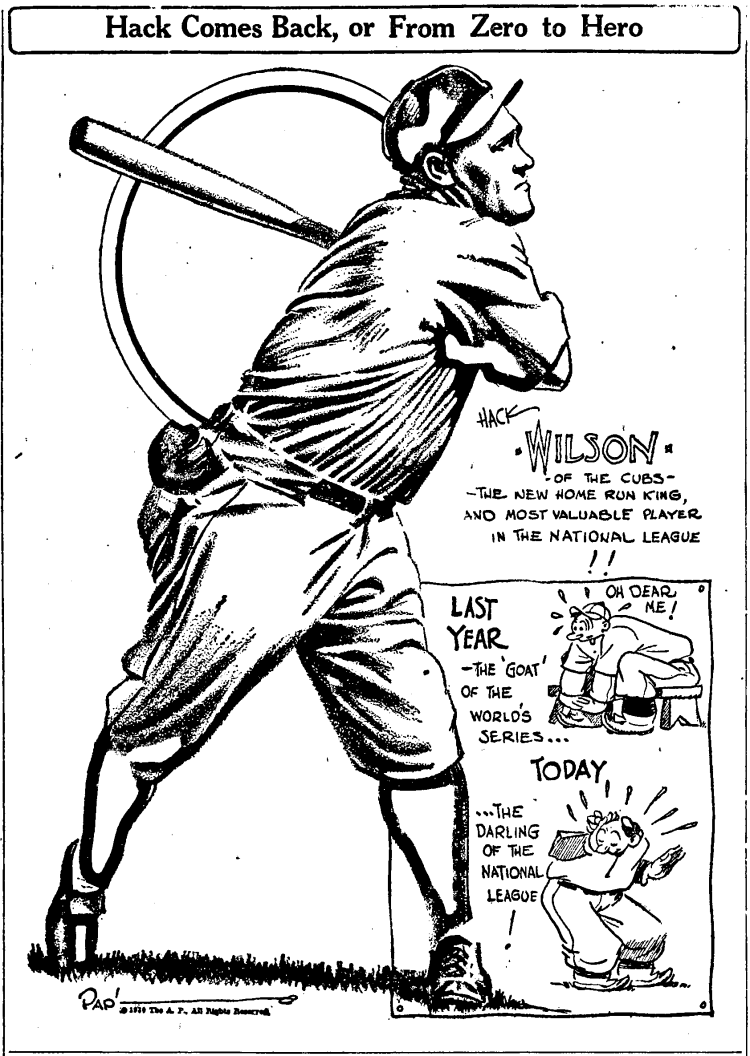
USA—(1893) ‘to go from zero to hero’: to experience a sudden increase in popularity or success, especially having previously been in a position of low achievement or esteem—(1899) ‘to go from hero to zero’: to suffer a sudden decline in popularity or success
1758—humorous exclamation expressing surprise, excitement, etc.—‘star’: a badge in the shape of, or ornamented with, a star, worn as part of the insignia of an order of knighthood or of chivalry—‘garter’: the badge of the highest order of English knighthood, i.e., the Order of the Garter
Ireland, 1809—the Wednesday before Easter—refers to the day on which Judas Iscariot formed the intent to betray Jesus—‘spy’ denotes ‘one who spies upon, or watches, a person or persons secretly’, because, from Wednesday onwards, Judas Iscariot secretly sought an opportunity to deliver Jesus to the Jewish authorities
1747—a small outlay or risk ventured in the hope or expectation of a significant return—a metaphor from fishing, in which sprats are used as bait to catch larger fish—in early use with the words ‘salmon’ and ‘herring’ instead of ‘mackerel’
USA, 1901—wonderfully stylish, elegant or fashionable—a blend of ‘swell’ and ‘elegant’—popularised by its use in the song Well, Did You Evah!, interpreted by Bing Crosby and Frank Sinatra in the 1956 film High Society
Scotland, 1806—to make a determined effort to achieve something, whether ending in success or failure—refers to the making of spoons out of the horns of cattle or sheep, which was common in Scotland till late in the 19th century
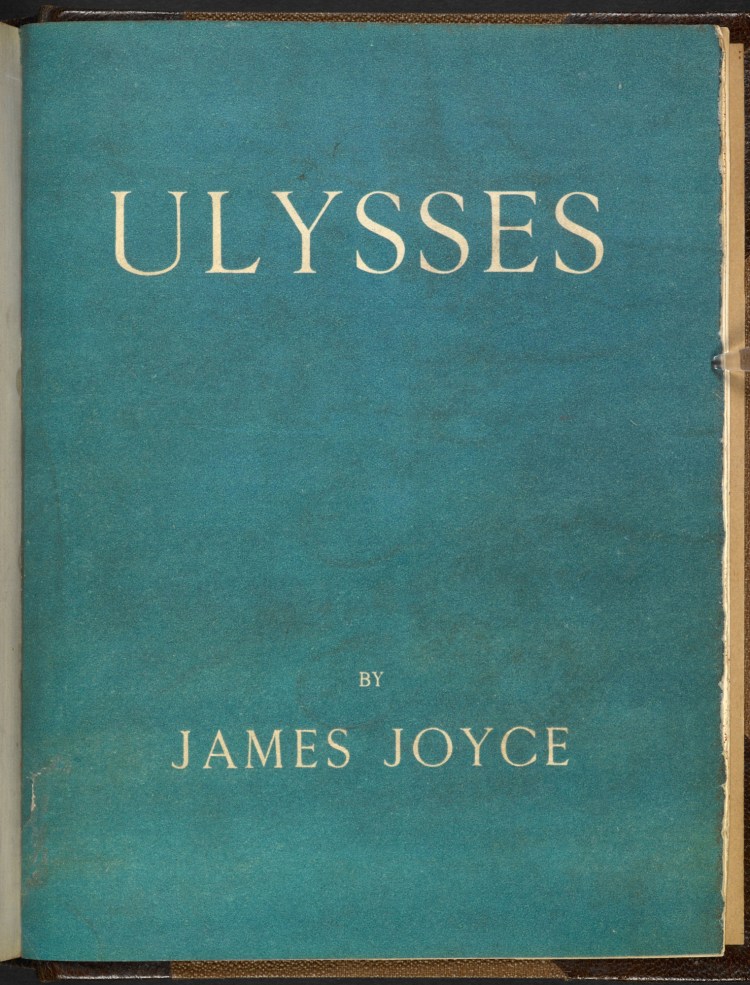
the 16th of June 1904; also the 16th of June of any year, on which celebrations take place, especially in Ireland, to mark the anniversary of the events in Ulysses (1922), by the Irish author James Joyce—Leopold Bloom is one of the central characters in Ulysses, in which all the action takes place on one day, the 16th of June 1904
UK, 1983—‘Ruby Murray’, the name of a Northern-Irish singer (1935-1996), is rhyming slang for the noun ‘curry’, denoting a dish of meat, vegetables, etc., cooked in an Indian-style sauce of hot-tasting spices and typically served with rice.
Ireland, 1889—emphasises the truthfulness and sincerity of what one is saying—derives from a children’s oath which involved licking a finger, drying it, and drawing it across the throat while saying “My finger’s wet. My finger’s dry. Cut my throat if I tell a lie.”
UK, 1773—physical cleanliness betokens spiritual purity, i.e., cleanliness proceeds from piety—apparently, this phrase is erroneously ascribed to the English preacher and co-founder of Methodism John Wesley

 word histories