USA, 1837—a short period of wintry weather occurring in autumn in the northern United States and in Canada—coined after ‘Indian summer’, from the fact that, because a squaw winter often precedes an Indian summer, they were seen as constituting a couple
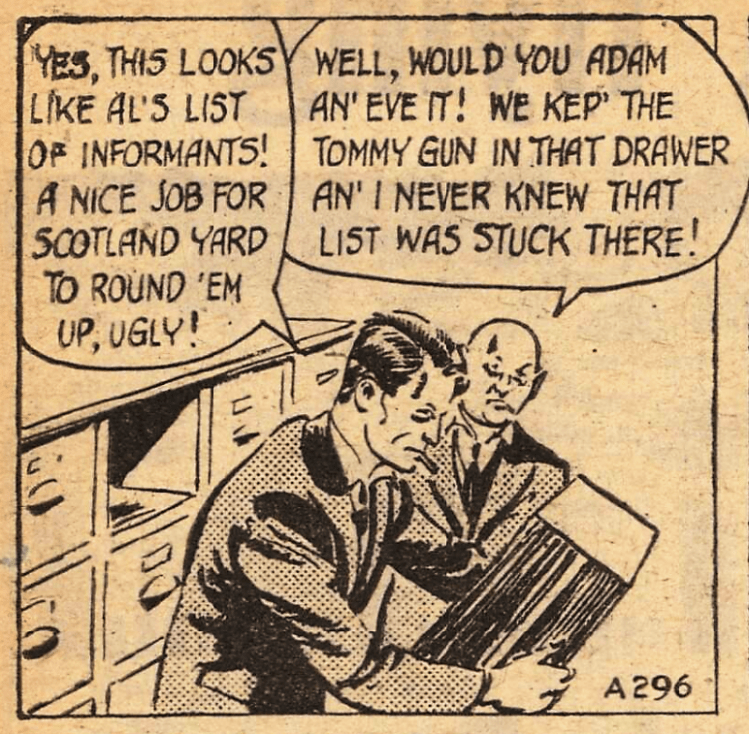
UK, 1925—the verb ‘Adam and Eve’ is rhyming slang for ‘to believe’—there is no truncation, contrary to the usual rhyming-slang formation (cf. ‘scooby’, rhyming slang for ‘clue’, which is short for ‘Scooby Doo’)
UK, 1831—used when the result of a contest or the outcome of an action appears certain—originally used of horse racing—the noun ‘shouting’ denotes a loud and enthusiastic show of appreciation
UK and USA, 1816—to tell a long, far-fetched story—of nautical origin? (perhaps alludes to making ropes from lengths of yarn on board ship: the men would have told one another stories while performing this long and tedious task)
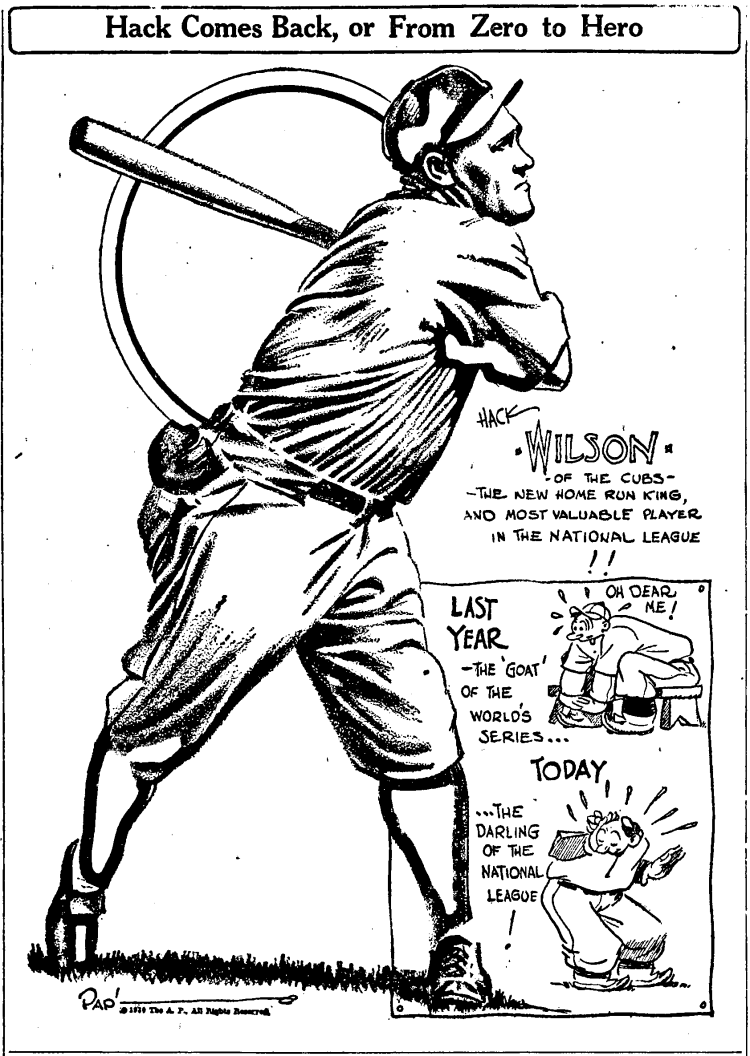
USA—(1893) ‘to go from zero to hero’: to experience a sudden increase in popularity or success, especially having previously been in a position of low achievement or esteem—(1899) ‘to go from hero to zero’: to suffer a sudden decline in popularity or success
1758—humorous exclamation expressing surprise, excitement, etc.—‘star’: a badge in the shape of, or ornamented with, a star, worn as part of the insignia of an order of knighthood or of chivalry—‘garter’: the badge of the highest order of English knighthood, i.e., the Order of the Garter
Ireland, 1809—the Wednesday before Easter—refers to the day on which Judas Iscariot formed the intent to betray Jesus—‘spy’ denotes ‘one who spies upon, or watches, a person or persons secretly’, because, from Wednesday onwards, Judas Iscariot secretly sought an opportunity to deliver Jesus to the Jewish authorities
1747—a small outlay or risk ventured in the hope or expectation of a significant return—a metaphor from fishing, in which sprats are used as bait to catch larger fish—in early use with the words ‘salmon’ and ‘herring’ instead of ‘mackerel’
USA, 1901—wonderfully stylish, elegant or fashionable—a blend of ‘swell’ and ‘elegant’—popularised by its use in the song Well, Did You Evah!, interpreted by Bing Crosby and Frank Sinatra in the 1956 film High Society
Scotland, 1806—to make a determined effort to achieve something, whether ending in success or failure—refers to the making of spoons out of the horns of cattle or sheep, which was common in Scotland till late in the 19th century


 word histories