USA, 1906: a person who advocates equality for all people at a high level of prosperity (i.e., who believes in champagne for everybody)—UK, 1956: a person who espouses socialist ideals while enjoying a wealthy lifestyle
USA, 1919—a person who espouses socialist ideals while enjoying a wealthy lifestyle—‘limousine’: a luxury motor car with a compartment for the passengers and a separate compartment for the driver
USA, 1954—used of a theory that a political event or development in one country, etc., will lead to its occurrence in others—the image is of a falling domino causing an entire row of upended dominoes to fall
USA, 1898—a view as seen from below or from a humble position—refers to a view taken as from the standpoint of a worm, i.e. from ground-level—coined after ‘bird’s-eye view’ (1782), denoting a view of a landscape from above, such as is presented to the eye of a bird
‘to be destined or appropriate for a particular person’—originated during the First World War as ‘to have a person’s name and number on it’, and meant, of a bullet, etc., ‘to be destined to hit a particular person’
Canada and UK, 1978—to publicly disclose perceived wrongdoing or failure on the part of a person or institution; to expose private behaviour to public censure—earlier longer phrases include ‘blame’
USA, 1838—the place or area where someone lives—originally: a narrow stretch of wood; by extension: a settlement in wooded or remote country—formerly also ‘neck of timber’
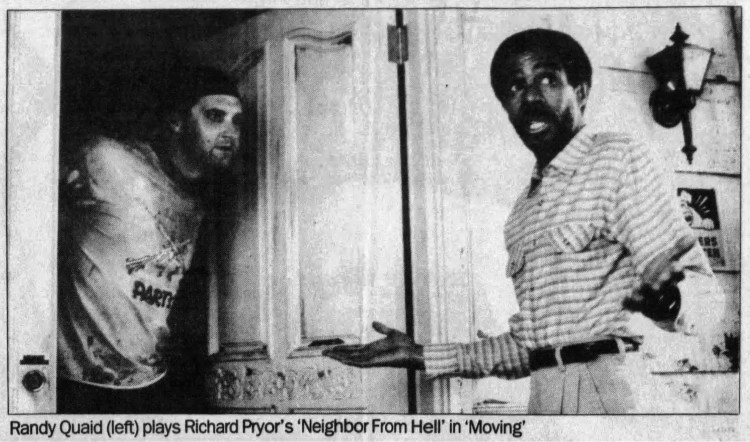
UK, 1993—USA, 1987—the words ‘—— from hell’ are suffixed to nouns often referring to everyday life, such as ‘holidays’ and ‘neighbour(s)’, to make phrases denoting an exceptionally unpleasant or bad example or instance of ‘——’


 word histories