‘eligible bachelor’: meaning and early occurrences
UK, 1830—In ‘eligible bachelor’, the adjective ‘eligible’ means ‘suitable as a partner in marriage’.
Read More
“ad fontes!”
UK, 1830—In ‘eligible bachelor’, the adjective ‘eligible’ means ‘suitable as a partner in marriage’.
Read MoreUSA, 1956—to recreate something that already exists, especially at the expense of unnecessary time and effort; to repeat effort needlessly
Read MoreUSA, 1893—the part of a town or city in which prostitution and other commercial sexual activities are concentrated—originally used of Louisville, Kentucky—from the use of a red light as a sign outside a brothel
Read More1733—denotes imaginary or non-existent people—refers to John Falstaff’s vaunting tale in the First Part of King Henry the Fourth, by William Shakespeare, in which two men in buckram suits gradually become eleven
Read More‘butterfingered’, adjective, 1615: having a tendency to let things fall or slip from one’s hands—also (English, regional) unable or unwilling to handle hot items with one’s bare hands—‘butterfingers’, noun, 1835: a butterfingered person, a person with a tendency to let things fall or slip from his or her hands
Read More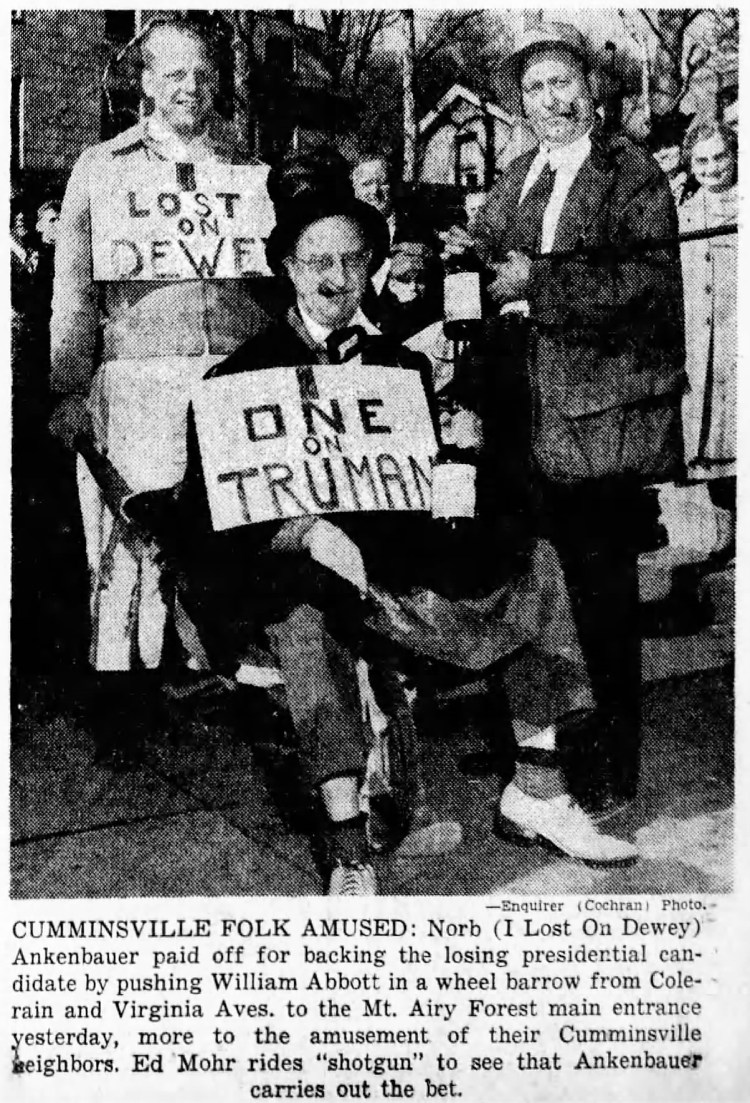
USA—literally (1905): to travel as an armed guard next to the driver of a vehicle—in extended use (1948): to accompany, to escort, especially in ‘to ride shotgun on somebody’—figuratively (1949): to assist, to protect, especially in ‘to ride shotgun on somebody’
Read MoreUSA, 1837—a short period of wintry weather occurring in autumn in the northern United States and in Canada—coined after ‘Indian summer’, from the fact that, because a squaw winter often precedes an Indian summer, they were seen as constituting a couple
Read More
UK and USA, 1816—to tell a long, far-fetched story—of nautical origin? (perhaps alludes to making ropes from lengths of yarn on board ship: the men would have told one another stories while performing this long and tedious task)
Read More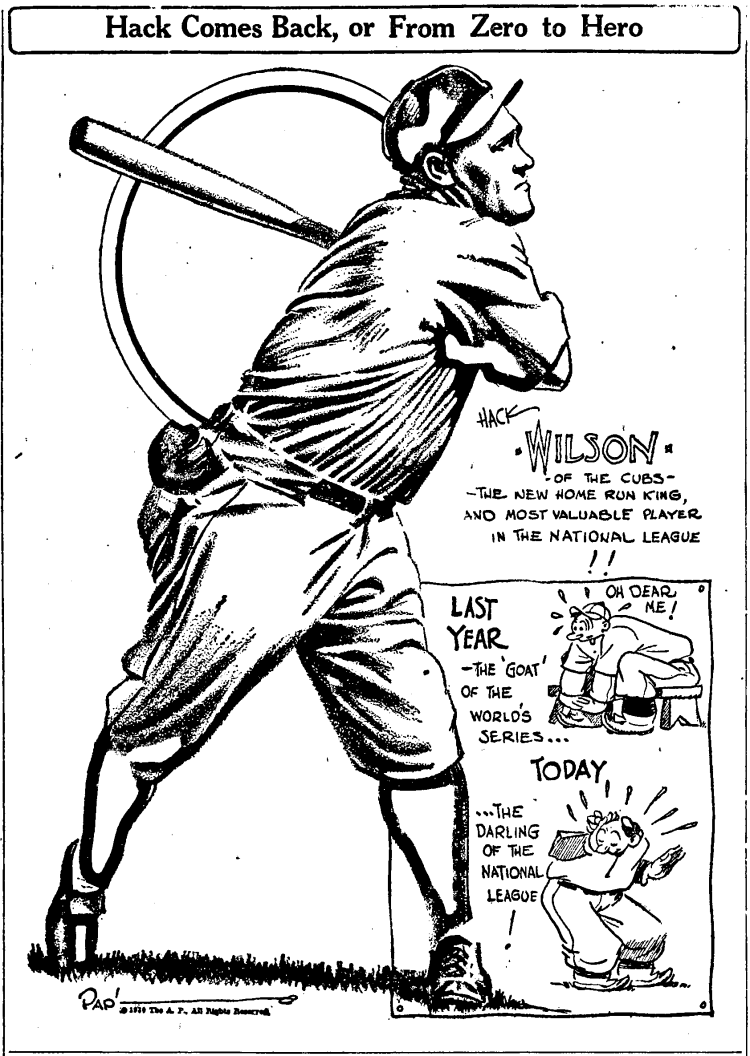
USA—(1893) ‘to go from zero to hero’: to experience a sudden increase in popularity or success, especially having previously been in a position of low achievement or esteem—(1899) ‘to go from hero to zero’: to suffer a sudden decline in popularity or success
Read More1758—humorous exclamation expressing surprise, excitement, etc.—‘star’: a badge in the shape of, or ornamented with, a star, worn as part of the insignia of an order of knighthood or of chivalry—‘garter’: the badge of the highest order of English knighthood, i.e., the Order of the Garter
Read More word histories