‘croque-madame’: meanings and origin
1932—coined after ‘croque-monsieur’—a toasted or fried sandwich filled with ham and cheese and topped with a poached or fried egg—but originally denoted any of various types of toasted or fried sandwich
Read More
“ad fontes!”
1932—coined after ‘croque-monsieur’—a toasted or fried sandwich filled with ham and cheese and topped with a poached or fried egg—but originally denoted any of various types of toasted or fried sandwich
Read More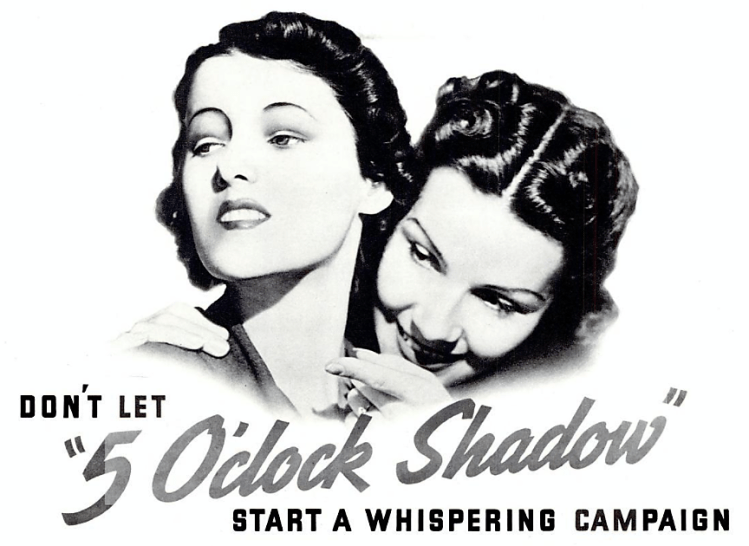
the beard growth which becomes visible in the late afternoon on the face of a man who has shaved earlier in the day—originally (USA, 1937) the catchline of an advertising campaign for Gem Micromatic Razor and Blades
Read More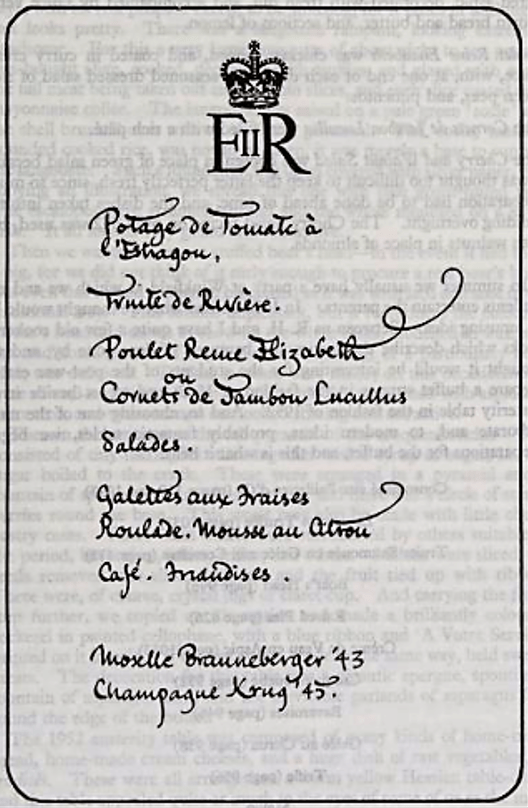
a dish of cold cooked chicken served in a mild creamy curry sauce—so named because created for a lunch held to mark the coronation of Queen Elizabeth II in June 1953, at which it was called ‘Poulet Reine Elizabeth’—also USA, April 1953: a dish created when the Poultry and Egg National Board organised Coronation Chicken Day
Read MoreUSA, 1888—used as a way of telling someone that they will have to accept a situation they do not like because they have no choice—the noun ‘titty’ denotes a teat, and, in the phrase, the image is of sucking a tough teat
Read Morecompromising information collected for use in blackmailing, discrediting or manipulating a person, group, etc.—borrowed from Russian (Soviet secret police) ‘kompromat’, from ‘kompro-’ in ‘komprometirujuščij’, meaning ‘compromising’, and ‘mat-’ in ‘material’, meaning ‘material’
Read More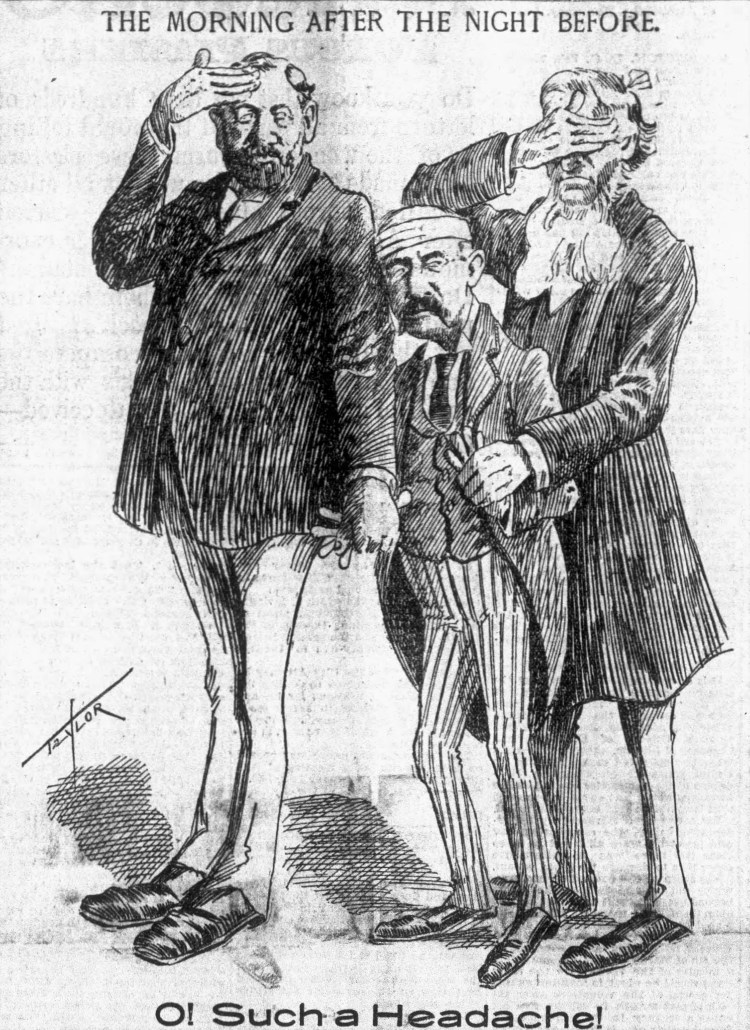
UK, 1860—the morning after an evening of drinking, when one has a hangover—in extended use: the morning after any night of excessive revelry
Read Moreto upset, to overturn—1777—origin unknown—perhaps based on Spanish ‘capuzar’, meaning ‘to sink (a ship) by the head’—or perhaps based on a Provençal compound of ‘cap’, meaning ‘head’
Read More1922—‘like death warmed up’ (also ‘like death warmed over’): extended form of ‘like death’, attested in the mid-17th century and meaning ‘extremely ill’, or ‘exhausted’
Read More1922, slang of high-school and university students in Kansas City (Missouri) and in Kansas: a fashionable young man who enjoys socialising with women at tea parties or other social events—1924: a diplomat employed by the U.S. State Department, regarded as being excessively occupied with entertaining dignitaries and doing little meaningful work
Read More1762: the time of night when it is said that witches are active and supernatural occurrences take place—alludes to ‘the witching time of night’ in Shakespeare’s Hamlet—also (1985): the last hour of trading each month when exchange-traded stock options expire
Read More word histories