originally used in 1940 in reference to refuse collection—came to be used in 1970 in reference to the recycling of waste materials—then in 1971 in reference to the practice of looking through the garbage of celebrities
the collection of domestic refuse—USA, 1965—from ‘garb-’ in ‘garbage’, and the combining form ‘-ology’—two oddities: UK, 1914, obscure sense (from ‘garb’, i.e., clothing), and USA, 1944, in the sense of silly terminology
a person whose job is to collect domestic refuse—also, an expert in the treatment of refuse—USA, 1946—from ‘garb-’ in ‘garbage’, and the combining form ‘-ologist’
personifies the winter season as an army commander, especially in reference to winter as detrimental or destructive to a military campaign—UK, 1777, in reference to the War of American Independence
18th century—used humorously and ironically to denote old news, usually with the implication that the person whom the speaker is referring to is simply stating the obvious or restating a well-worn or accepted truth
a television programme or cinema film exhibiting qualities of both drama and comedy—USA, 1998—blend of ‘soap (opera)’, or of ‘soaper’, and of ‘comedy’—coined on various occasions by different persons, independently from one another
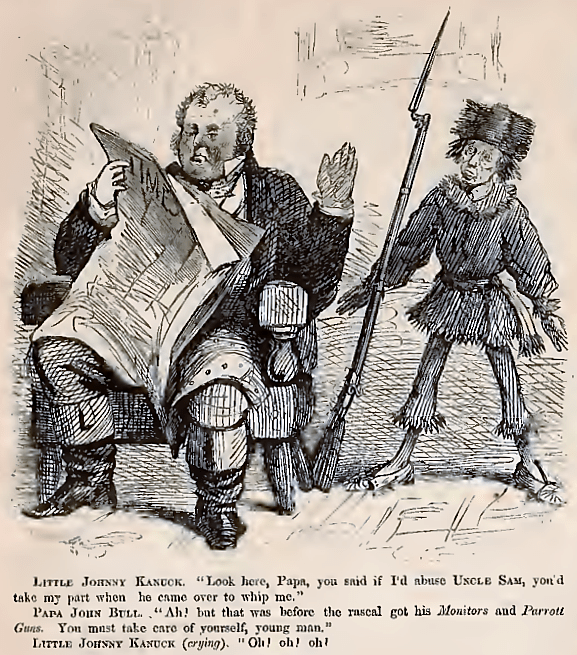
USA, 1858—a personification of the Canadian nation; Canadian people collectively; as a count noun: a Canadian—from ‘Canuck’, meaning Canadian—‘Johnny’ is used with modifying word to designate a person of the type, group, profession, etc., specified
USA, 1973—a suburban mother who spends a lot of time taking her children to play soccer or engage in similar activities—popularised during the presidential election campaign of 1996 as designating an influential voting bloc

 word histories