USA, 1832—a rhetorical question calling attention to a non-sequitur or irrelevant statement or suggestion made by another person—the noun following ‘the price of’ is irrelevant to the context in which it is used
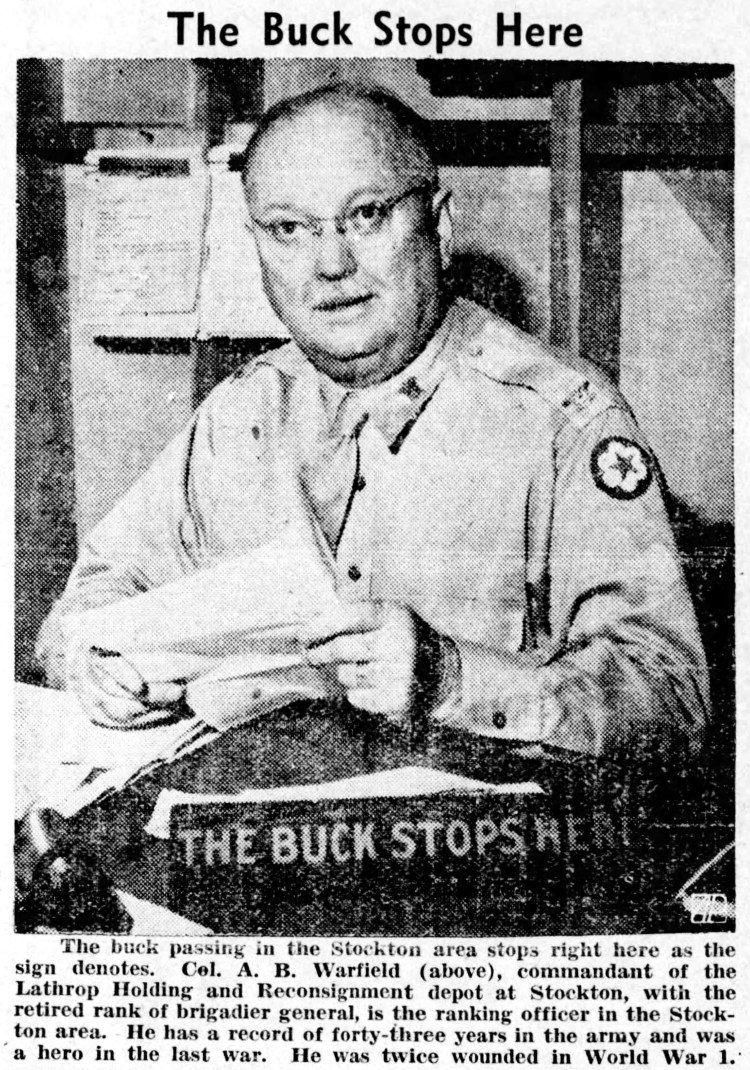
USA, 1929—the final responsibility lies with a particular person—from ‘to pass the buck’—‘buck’: in the game of poker, any object in the jackpot to remind the winner of some obligation when his or her turn comes to deal
USA, 1967—a person with a need to exercise tight control over their surroundings, behaviour or appearance—‘freak’ is used as the second element in compounds designating a person who is obsessed with the activity, interest or thing denoted by the first element
Australia, 1976—used by Aborigines to depreciatively designate unemployment or welfare benefits—‘sit-down’ means: performed or obtained while sitting down, with the implication that no or few efforts are required
USA, 1831—very rare—since the late 17th century, the expression ‘hen’s teeth’ has been used as a type of something which is extremely rare, unattainable or non-existent
humorous variant of ‘one man’s meat is another man’s poison’—USA, 1929—refers to the phrase ‘the law of the Medes and Persians’, denoting something which cannot be altered
USA, 1820—with reference to cursive writing: to pay attention to every detail, especially when finishing off a task or undertaking; to be accurate and precise
also ‘a wigwam for a goose’s bridle’—UK, 1836—denotes something absurd or preposterous; now typically used evasively in response to an unwanted or annoying question

 word histories