‘to put one’s cue in the rack’: meaning and origin
USA, late 19th century—to give up, to retire, also, occasionally, to die—from the image of a billiard-player putting the cue back in the rack when the game is over
Read More
“ad fontes!”
USA, late 19th century—to give up, to retire, also, occasionally, to die—from the image of a billiard-player putting the cue back in the rack when the game is over
Read More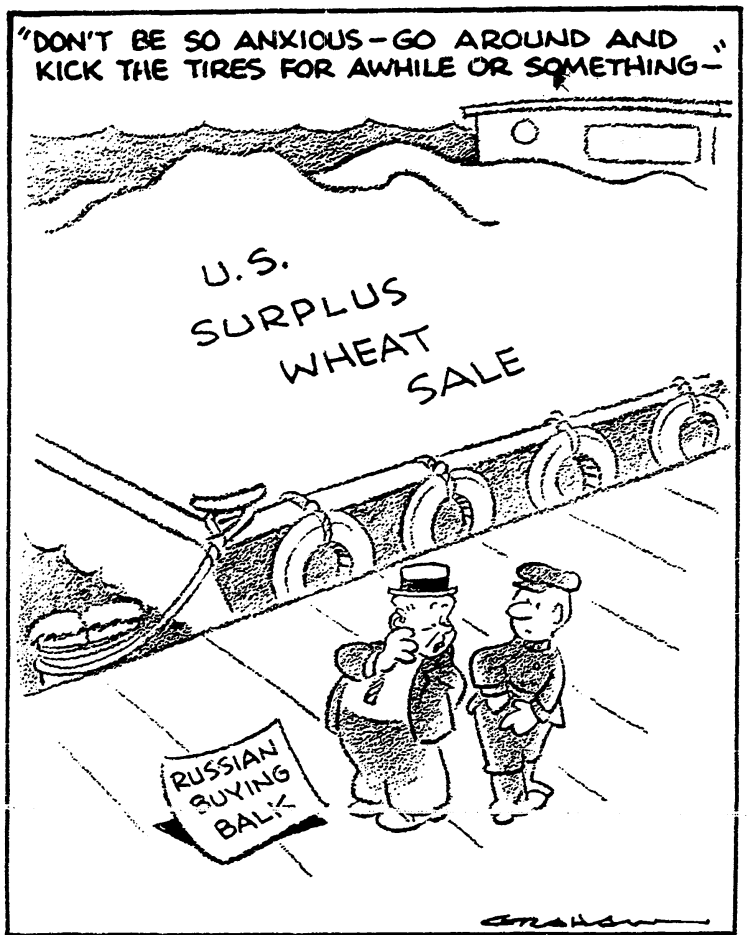
USA, early 1960s—to test, check or research the condition or quality of a product, service, etc., before purchase or use—alludes to the practice consisting for a prospective buyer in kicking the tyres of a motorcar when inspecting it
Read Morethe targeting of a potentially controversial message to specific voters while avoiding offending those voters with whom the message will not be popular—Canada, 1995—the image is that, like the sound made by a dog whistle, the message is only fully audible to those at whom it is directly aimed
Read More
USA, 1995—a woman thought to have become intolerably obsessive or overbearing in planning the details of her wedding—from ‘Godzilla, the suffix ‘-zilla’ is used to form humorous nouns which depict a person or thing as a particularly fearsome, relentless or overbearing example of its kind
Read More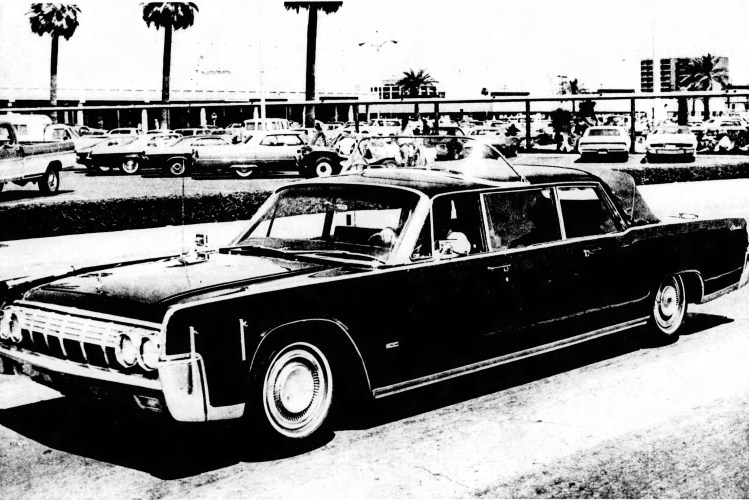
USA, 1969—the 1964 Lincoln Continental specially built and equipped for Pope Paul VI’s 1965 visit to the United States
Read Moreearly 1930s—in an anti-climactic, disappointing way (used of something that comes to an end)—alludes to the last line of The Hollow Men (1925), by T. S. Eliot
Read MoreUK, 1886—those in charge of an organisation, project or initiative lack the fundamental qualities needed to fulfil their responsibilities
Read MoreUSA, 1930—used either literally or of something that should not or cannot be named or mentioned—alludes to ‘The Greeks Had a Word for It’, the title of a 1930 stage play by Zoe Akins
Read Morehumorous variant of ‘one man’s meat is another man’s poison’—Australia, 1872—used in particular of the opposition between flesh-eating and fish-eating in relation to the religious observance of fasting
Read Moreto accept or confront the inevitable, or the unpleasant consequences of one’s actions—USA, 1833—origin uncertain and disputed
Read More word histories