‘scenester’: meaning and origin
1974: a person who tries to fit into a particular cultural scene—1970: an actor who performs a minor role in a stage play—from ‘scene’ and the suffix ‘‑ster’, forming agent nouns
Read More
“ad fontes!”
1974: a person who tries to fit into a particular cultural scene—1970: an actor who performs a minor role in a stage play—from ‘scene’ and the suffix ‘‑ster’, forming agent nouns
Read Morea menagerie of demons—UK, 1848—a blend of the nouns ‘demon’ and ‘menagerie’
Read More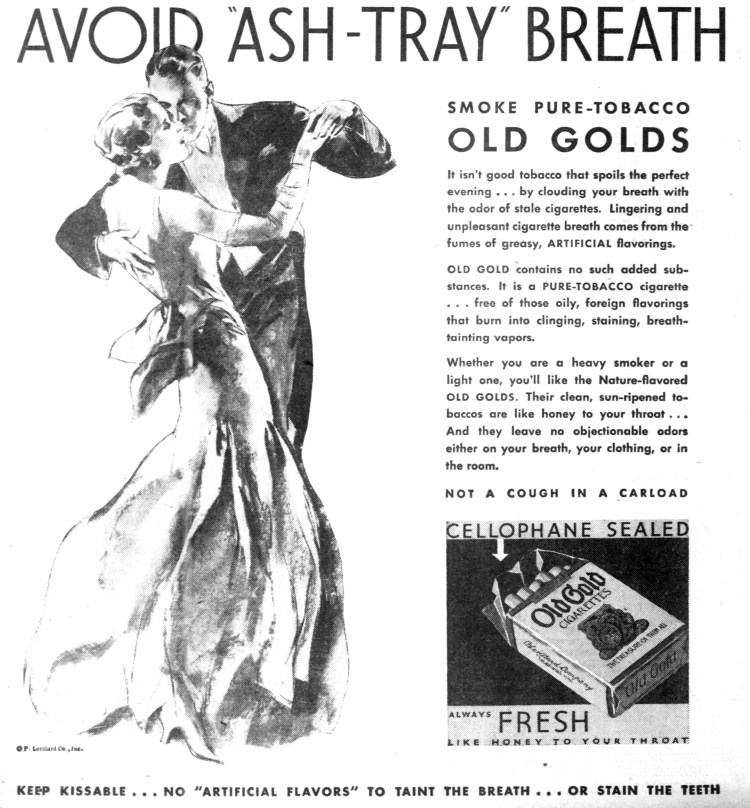
foul-smelling breath caused by smoking—USA, 1931, in advertisements for Old Golds, a U.S. brand of cigarettes
Read More1988, Australia & USA—apathy, indifference or mental exhaustion arising from exposure to too much information—especially stress induced by the attempt to assimilate excessive amounts of information from the media, the Internet or at work
Read MoreUSA, 1969—the action or process of becoming or being made plain, ordinary, uninteresting or insipid—from the adjective ‘bland’ and the suffix ‘‑ification’, forming nouns of action
Read Moreis used of waterlogged land—USA,1859—Australia, 1874—now chiefly Australian
Read MoreUK, 1827—a mood or attitude appropriate to the Christmas season, especially one involving feelings of goodwill, benevolence and a willingness to enjoy oneself
Read MoreUK, 1867—a disastrous or particularly unpleasant year—Latin, literally ‘a horrible year’—coined after Latin ‘annus mirabilis’, literally ‘an extraordinary year’
Read Morepeople who meet for a short time, by chance, and then do not see each other again—people who, although living together, are unable to see very much of each other—coined in 1873 by the U.S. poet Henry Wadsworth Longfellow
Read Moregrim and ironical humour—UK, 1860, in reference to the practice of public executions—UK, 1870, as a loan translation from German ‘Galgenhumor’, in the context of the Franco-Prussian War
Read More
