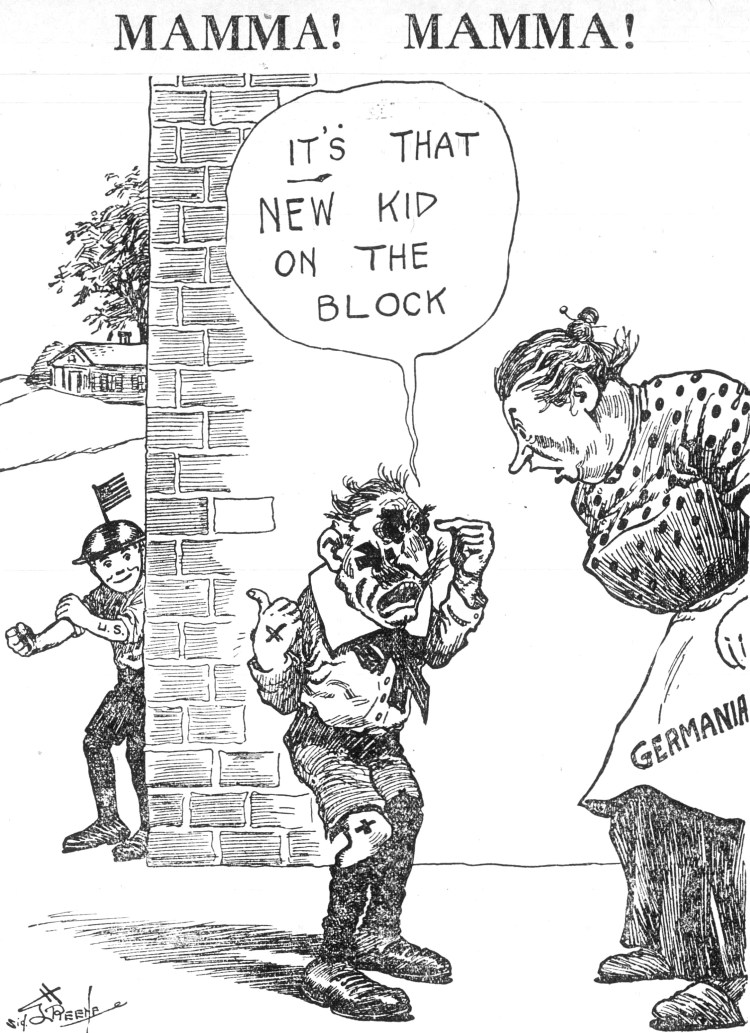
USA, 1911: a newcomer—but, from 1903 onwards, as ‘new kid in one’s block’: a child who has recently moved into the block where one lives—‘block’: a group of buildings in a city bounded by intersecting streets on each side
a picture conveys far more than words—USA, 1877, as ‘a picture tells more than printed words’—from 1866 to 1876 the notion had been used with specific reference to pictures by the cartoonist Thomas Nast
to urinate—slang—2nd half of the 20th century—based on the sound /eɪn/, common to the verb, adjective and noun that compose it—‘main vein’ probably refers to the penis
dishonest or deceitful actions, while they may offer a short-term advantage, do not lead to long-term success or well-being—1710, as ‘cheating never thrives’
1843—a representation of a human skull or skeleton, originally crafted from sugar and intended to be eaten and often given to children as a gift around Día de Muertos (Day of the Dead)