early instances of ‘Kilroy’
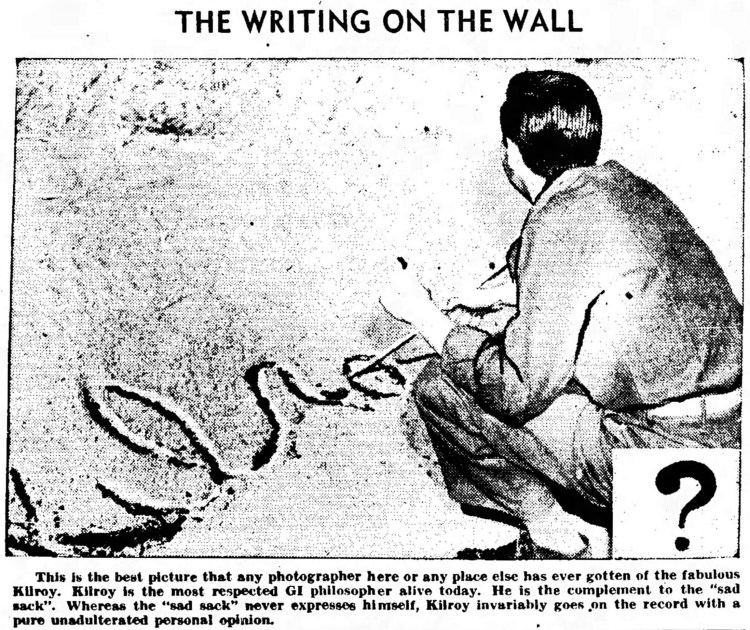
first recorded at Kearns air force base and Salt Lake City, both in Utah, in June and July 1945; originally seen merely as an amusing legend
Read More
“ad fontes!”
first recorded at Kearns air force base and Salt Lake City, both in Utah, in June and July 1945; originally seen merely as an amusing legend
Read More‘blanket’: from Old-Northern-French and Anglo-Norman forms such as ‘blankete’ (white woollen material), composed of ‘blanc’ (white) and the diminutive suffix ‘-ette’
Read MoreWith words denoting some specified deficiency in a desirable or standard quantity of something, ‘short of a ——’ means ‘mentally deficient’, ‘slightly crazy’.
Read More18th century, of women’s clothes—‘bib’: a piece of cloth worn between throat and waist; ‘tucker’: a piece of lace or linen worn in or around the top of a bodice
Read Morefrom ‘to lose a sheep for a halfpennyworth of tar’—refers to the use of tar to protect sores and wounds on sheep from flies (‘sheep’ was pronounced ‘ship’)
Read MoreUS, 1898: ‘to know one’s onion’ (in the singular), to be very knowledgeable about something — French, 1897: ‘c’est mes oignons’, it’s my own business
Read More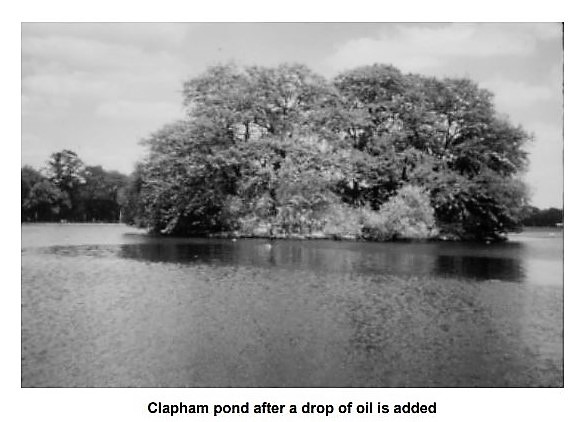
alludes to the calming effect of oil on the agitated surface of water; common knowledge since ancient times, first scientifically observed by Benjamin Franklin
Read MoreUSA, 1959—‘like watching paint dry’ or ‘as —— as watching paint dry’:used to denote an extremely dull activity or experience
Read More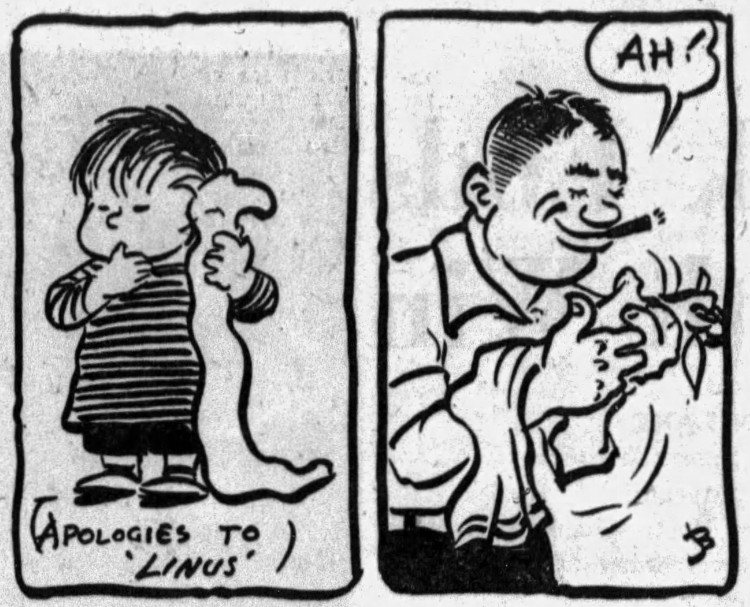
US, 1958: security blanket—from ‘Linus’, the name of a small boy who carries a blanket for comfort in the comic strip ‘Peanuts’, by Charles M. Schulz
Read More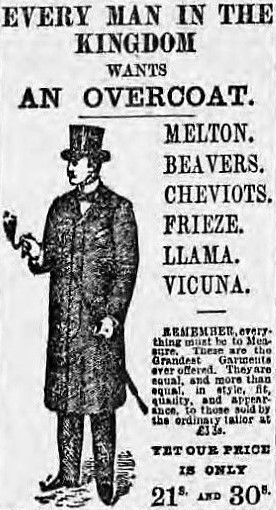
19th cent.—‘button-hold’ was probably mistaken in spoken language for a past form, hence the coinage of ‘buttonhole’ in order to match the original error
Read More
