‘culture vulture’ (a person who is voracious for culture)
USA, 1931—phrase based on the phonetic similarity of the two words that compose it—implies lack of discrimination
Read More
“ad fontes!”
USA, 1931—phrase based on the phonetic similarity of the two words that compose it—implies lack of discrimination
Read More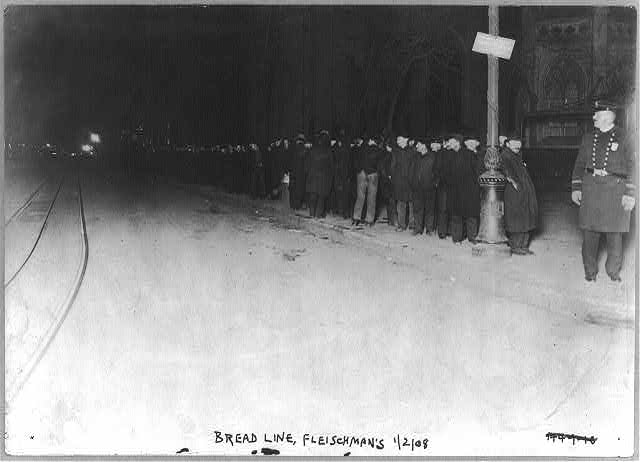
originally (late 19th century) the queue of needy men waiting to be given bread outside Fleischmann’s Vienna Model Bakery, Broadway, New York City
Read More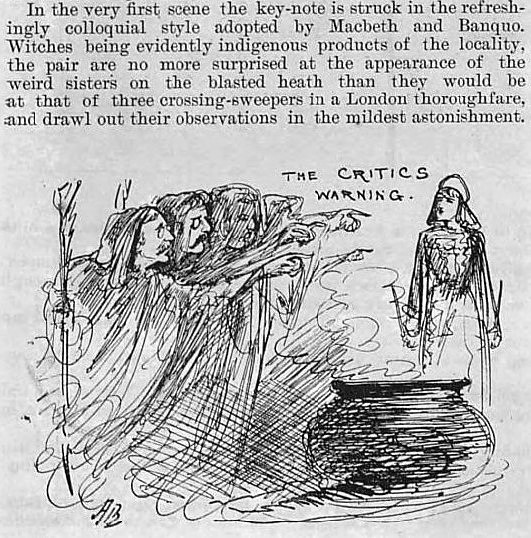
early 20th century—according to theatrical superstition, ‘Macbeth’ is a very unlucky play—the origin of this belief is unknown
Read More‘crumbs from a rich man’s table’—late 18th century—from the parable of the rich man and Lazarus in the gospel of Luke, 16:19-31
Read More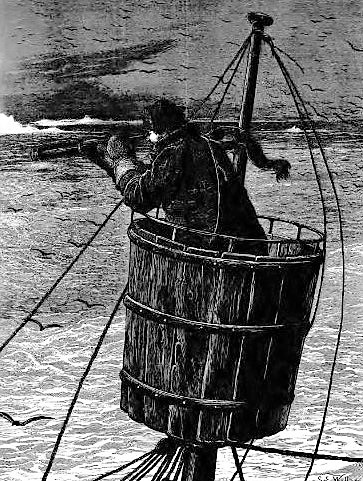
UK, early 19th century—The invention of the crow’s nest is attributed to the Arctic whaler William Scoresby Senior (1760-1829).
Read MoreAttested in 1761, ‘as the crow flies’ originally referred to the interior of a country; it did not originate in a practice of early navigation at sea.
Read MoreIn ‘couch potato’, ‘potato’ may be a pun on ‘tuber’ in ‘boob tuber’, from ‘boob tube’ (= television (set)), in which ‘boob’ means ‘stupid, foolish’.
Read MoreUSA, 1837—The image is of a racoon that has been treed but the construction ‘gone + animal name’ has more generally been used in phrases of same sense.
Read MoreUSA, late 18th century—perhaps a folk-etymological alteration of British dialectal variants of ‘boon’, meaning ‘help given by neighbours’
Read Moreto avoid work, to shirk one’s duty—originated in military slang during the First World War, the word ‘column’ denoting a formation of marching soldiers
Read More
